2026 US Digital Nomad Visa: Remote Work Guide

Anúncios
The 2026 Digital Nomad Visa Landscape in the US: What You Need to Know for Remote Work explores the complex and emerging pathways for international remote workers to legally reside and contribute to the American economy.
Anúncios
Are you considering leveraging the flexibility of remote work to experience life in the United States? The prospect of a 2026 Digital Nomad Visa Landscape in the US: What You Need to Know for Remote Work is becoming an increasingly relevant topic for global professionals. Understanding this evolving terrain is crucial for anyone dreaming of combining their career with an American adventure.
Understanding the evolving US digital nomad visa landscape
The concept of a digital nomad visa has gained significant traction globally, with many countries actively wooing remote workers. Historically, the United States has not had a specific visa category tailored for digital nomads. This has led to a complex situation where remote workers often navigate existing visa structures, which were not designed with their unique needs in mind. However, as 2026 approaches, discussions and proposals surrounding a more formalized approach are gaining momentum.
The absence of a direct digital nomad visa means that remote workers currently entering the US typically do so under visitor visas (B-1/B-2) or through other categories that permit certain types of work, but rarely full-time remote employment for a foreign company. The challenge lies in the distinction between working remotely for a foreign employer while physically present in the US and engaging in local employment. This distinction is often blurry and subject to interpretation by immigration authorities.
Anúncios
Current visa pathways for remote workers
While a dedicated digital nomad visa for the US is still largely a concept, some remote workers utilize existing visa categories, often with limitations. These typically include:
- B-1 Business Visitor Visa: For limited business activities, not direct employment.
- O-1 Visa: For individuals with extraordinary ability, a high bar for many.
- E-2 Investor Visa: Requires substantial investment in a US enterprise.
Each of these pathways comes with its own set of stringent requirements and is not universally applicable to all digital nomads. The B-1 visa, for instance, strictly prohibits gainful employment from a US source, and even working for an overseas employer while in the US can be a grey area depending on the nature of the work and the duration of stay.
The evolving landscape for 2026 suggests a potential shift, driven by economic benefits and the global trend of remote work. Policymakers are beginning to recognize the economic contributions that digital nomads can bring, from spending in local economies to fostering innovation. This recognition is a critical first step towards the development of more accommodating visa policies, even if a full-fledged digital nomad visa isn’t immediately implemented.
In conclusion, the US digital nomad visa landscape in 2026 is still in a state of flux, characterized by the lack of a dedicated visa and the complex use of existing categories. However, growing awareness of the economic advantages of remote workers suggests future policy changes are likely, making it crucial to stay informed about potential new pathways.
Navigating the legal intricacies of remote work in the US
Working remotely in the United States as a non-citizen involves a labyrinth of legal complexities that extend beyond just visa requirements. Tax implications, state-specific regulations, and even the definition of ‘work’ itself can vary significantly, posing challenges for digital nomads. Understanding these intricacies is paramount to ensure compliance and avoid potential legal pitfalls.
One of the primary concerns is the distinction between working for a foreign entity and inadvertently establishing a ‘permanent establishment’ in the US, which could trigger corporate tax obligations for the foreign employer. For the individual, the threshold for becoming a US tax resident can be met through the ‘substantial presence test,’ leading to US income tax liabilities even if their employer is based overseas.
Tax implications for digital nomads
Digital nomads often face a dual tax residency challenge, potentially owing taxes in both their home country and the US. Key tax considerations include:
- Income Tax: Depending on residency status, US income tax may apply to worldwide income.
- State Taxes: Some US states have their own income taxes, adding another layer of complexity.
- Social Security and Medicare: Contributions may be required, depending on visa type and work status.
It’s not just federal taxes; state laws can also play a significant role. Some states have specific rules regarding remote workers, and the duration of stay can influence whether a digital nomad is considered a resident for state tax purposes. This can lead to unexpected tax burdens and administrative hurdles.
Furthermore, the legal definition of what constitutes ‘work’ while on a visitor visa (like a B-1/B-2) is often a point of contention. While activities like checking emails or attending virtual meetings might be permissible, actively performing services for a foreign employer for an extended period could be interpreted as unauthorized employment, leading to visa violations and future immigration difficulties.
Navigating these legal intricacies requires proactive planning and often the advice of immigration attorneys and tax professionals specializing in international remote work. Ignorance of the law is not an excuse, and non-compliance can result in severe penalties, including fines, deportation, and bars from future entry into the US.
In summary, remote work in the US demands a thorough understanding of immigration laws, tax treaties, and state-specific regulations. Digital nomads must carefully assess their situation to ensure they remain compliant and avoid legal complications.
Potential new visa categories and policy changes by 2026
As the global economy increasingly embraces remote work, the United States is under growing pressure to adapt its immigration policies to attract digital talent. While a specific US digital nomad visa has yet to materialize, there are strong indications and ongoing discussions that suggest potential new visa categories or significant policy adjustments could be in place by 2026. These changes would aim to streamline the process for remote workers to reside and contribute to the US economy.
One of the driving forces behind this potential shift is the recognition of the economic benefits that digital nomads bring. These individuals often earn high incomes, spend locally, and contribute to the innovation ecosystem without directly competing for local jobs. This makes them an attractive demographic for economic development, particularly in states and cities looking to revitalize their economies.
Advocacy for a dedicated remote work visa
Various advocacy groups and tech industry leaders are pushing for a dedicated remote work visa, highlighting the advantages it would offer:
- Economic Boost: Increased spending in local communities.
- Talent Attraction: Drawing skilled professionals and entrepreneurs.
- Administrative Clarity: Simplifying immigration processes for remote workers.
The proposals often center around creating a new non-immigrant visa category that specifically permits individuals to live in the US while working remotely for employers outside the country. Such a visa would likely come with specific requirements, such as proof of sufficient income, health insurance, and a clean criminal record, similar to digital nomad visas offered by other nations.
Beyond a completely new visa, there’s also the possibility of amendments to existing visa categories to better accommodate remote workers. This could involve clearer guidelines for B-1/B-2 visa holders regarding permissible remote work activities or the creation of subcategories within existing frameworks. Any changes would likely be influenced by the political climate and the perceived needs of the US labor market.
The legislative process for immigration reform is notoriously slow and complex in the US. However, the growing global trend and the increasing number of Americans embracing remote work could accelerate these discussions. By 2026, it is plausible that the US will have either a pilot program, clearer guidelines, or even a nascent dedicated visa for digital nomads, marking a significant evolution in its immigration policy.
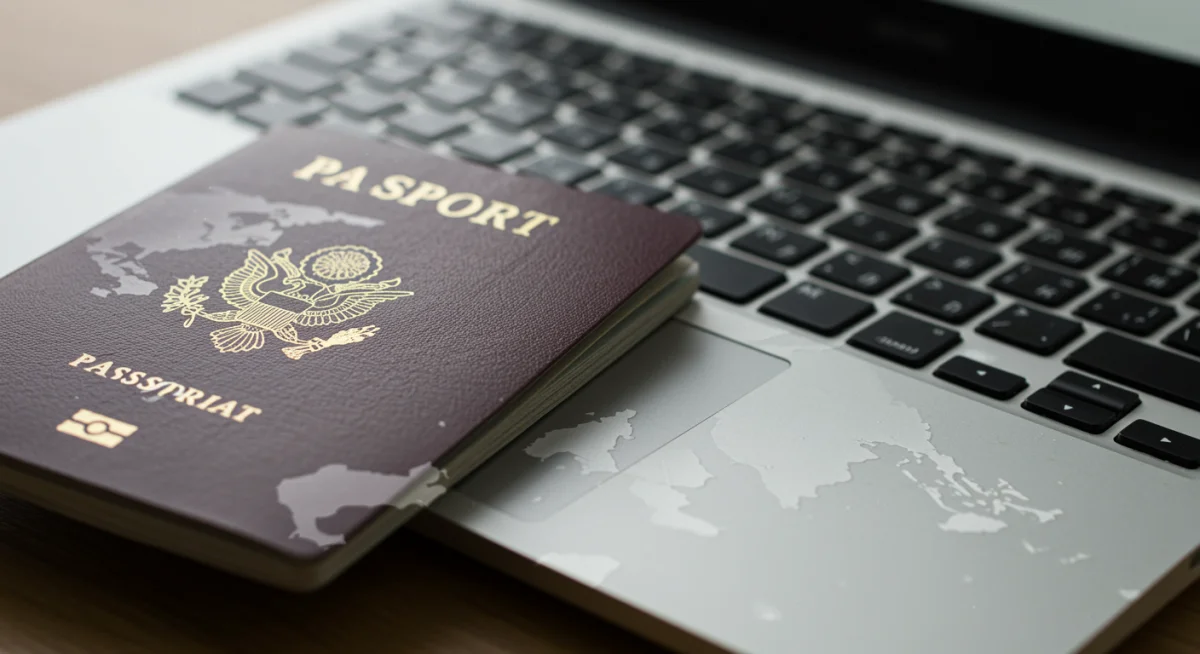
In conclusion, while a clear path for a US digital nomad visa by 2026 is still forming, the increasing advocacy and economic recognition suggest that policy changes are on the horizon. Remote workers should monitor legislative developments closely for new opportunities.
Requirements and qualifications for future US digital nomad visas
Should the United States introduce a dedicated digital nomad visa or significantly modify existing categories by 2026, it is highly probable that specific requirements and qualifications will be established. Drawing parallels from other countries that have successfully implemented such visas, these criteria typically aim to ensure that applicants are self-sufficient, pose no burden on public services, and genuinely contribute to the local economy without taking jobs from US citizens.
Prospective applicants will likely need to demonstrate a stable source of income from outside the US, proving their ability to support themselves financially during their stay. This is a common thread among digital nomad visas worldwide, designed to attract individuals who are economically independent and will primarily spend their earnings within the host country.
Common anticipated requirements
Based on global trends, future US digital nomad visa requirements could include:
- Proof of Foreign Employment/Client Contracts: Documentation showing remote work for a non-US entity or self-employment with international clients.
- Minimum Income Threshold: A specified monthly or annual income level to ensure financial stability.
- Health Insurance: Mandatory comprehensive health coverage valid in the US.
- Clean Criminal Record: Background checks to ensure public safety.
- Valid Passport: A passport with sufficient validity beyond the intended stay.
The minimum income threshold is often a critical component, designed to ensure that digital nomads can afford the cost of living in the US, which can be considerable in many areas. This also acts as a filter, attracting those who are highly skilled and well-compensated in their respective fields.
Another crucial aspect will be the duration of the visa. Most digital nomad visas are for a temporary period, often one year, with the possibility of renewal. The US version would likely follow a similar model, offering a pathway for extended stays without granting permanent residency or a direct path to citizenship. This temporary nature aligns with the transient lifestyle of many digital nomads.
Additionally, applicants may need to provide evidence of accommodation plans in the US and demonstrate an intent to return to their home country or move to another country after their authorized stay. This reinforces the non-immigrant nature of such a visa and distinguishes it from permanent residency pathways.
In summary, while specific details are still speculative, future US digital nomad visa requirements will likely focus on financial independence, health coverage, and a clean record, echoing the standards set by other nations. Remote workers should prepare to meet these stringent criteria to qualify.
Benefits and challenges for digital nomads in the US
The prospect of a more accessible US for digital nomads by 2026 presents both enticing benefits and significant challenges. For many remote workers, the allure of experiencing diverse American cultures, landscapes, and innovation hubs is a powerful draw. However, the high cost of living, complex healthcare system, and potential cultural adjustments can temper this enthusiasm.
One of the primary benefits is access to a highly developed infrastructure, including reliable internet, co-working spaces, and a vast network of professionals. The US also offers unparalleled opportunities for networking and professional development, especially in tech and creative industries. Furthermore, the sheer variety of environments, from bustling cities to serene national parks, caters to diverse preferences for lifestyle and leisure.
Advantages of remote work in the US
Embracing the US as a digital nomad destination offers several compelling advantages:
- Innovation Hubs: Access to Silicon Valley, New York, and other tech centers.
- Cultural Diversity: Rich experiences across different states and communities.
- Professional Growth: Networking opportunities and exposure to leading industries.
However, the challenges are equally substantial. The cost of living in major US cities can be prohibitive, especially for housing, which often exceeds that of many other digital nomad hotspots. Healthcare is another major concern; without employer-sponsored insurance, private plans can be expensive and complex, making comprehensive coverage a necessity.
Cultural differences, while enriching, can also be a challenge. The work culture, social norms, and even the pace of life can vary dramatically across the US. Navigating these differences requires adaptability and an open mind. Additionally, the sheer size of the country means that travel between regions can be time-consuming and costly, impacting the nomadic lifestyle.
Another potential challenge lies in establishing a social circle and feeling integrated into local communities. While co-working spaces and expat groups can help, building deep connections takes time and effort. The transient nature of digital nomadism can sometimes lead to feelings of isolation if not actively managed.
In conclusion, while the US offers immense opportunities for digital nomads, including professional growth and diverse experiences, these are balanced by challenges such as high living costs, healthcare complexities, and the need for cultural adaptation. A successful digital nomad experience requires careful planning and a realistic understanding of these factors.
Tips for aspiring digital nomads eyeing the US in 2026
For aspiring digital nomads looking towards the US in 2026, proactive planning and a strategic approach are essential. Given the evolving nature of immigration policies, staying informed and preparing for various scenarios will significantly increase your chances of a successful remote work experience in America. This journey requires more than just a laptop and a passport; it demands thorough research and financial prudence.
One of the most critical steps is to begin researching potential visa options well in advance. While a dedicated digital nomad visa might emerge, understanding the existing visa categories and their limitations is still vital. Consulting with an immigration attorney specializing in US visas can provide invaluable guidance and help you navigate the complexities.
Strategic planning for US remote work
To prepare for a digital nomad stint in the US, consider these key tips:
- Research Visa Options: Understand current and potential future visa pathways.
- Financial Planning: Save adequately for high living costs and unexpected expenses.
- Health Coverage: Secure comprehensive international health insurance.
- Professional Networking: Connect with expat and remote work communities in the US.
- Legal Consultation: Seek advice from immigration and tax professionals.
Financial planning is paramount. The cost of living in many US cities can be significantly higher than in other popular digital nomad destinations. Creating a detailed budget that accounts for housing, food, transportation, health insurance, and potential emergencies is crucial. Having a robust emergency fund is highly recommended.
Securing comprehensive health insurance that is valid in the US is non-negotiable. The American healthcare system can be extremely expensive without adequate coverage, and even minor medical incidents can lead to substantial financial burdens. Explore international health insurance providers that cater specifically to digital nomads.
Networking within the digital nomad and expat communities in the US can provide valuable insights, support, and opportunities. These communities often share practical advice on everything from finding accommodation to navigating local bureaucracy. Online forums and social media groups can be excellent starting points for connecting with others who have similar experiences.
Finally, maintaining a strong professional portfolio or client base is key. Whether you work for a foreign employer or are self-employed, demonstrating a consistent and reliable income stream will be essential for any visa application and for sustaining your lifestyle in the US. Continuously honing your skills and expanding your professional network will serve you well.
In conclusion, aspiring digital nomads should approach the US with meticulous planning, focusing on visa research, financial preparedness, adequate health insurance, and active community engagement. These steps will lay a solid foundation for a successful remote work experience in 2026 and beyond.
The future outlook for digital nomads in the United States
The future outlook for digital nomads in the United States by 2026 is one of cautious optimism, marked by evolving policy discussions and increasing recognition of remote work’s economic potential. While the US has historically lagged behind other nations in establishing dedicated digital nomad visas, the accelerating pace of global remote work adoption and the competitive landscape for talent are likely to spur significant changes.
Several factors suggest a more favorable environment for digital nomads is on the horizon. The ongoing debate about immigration reform, coupled with the economic benefits that remote workers bring, could pave the way for new visa categories or more flexible interpretations of existing ones. States and cities are also increasingly aware of the revenue and innovation that digital nomads can inject into local economies, potentially leading to state-level initiatives or support programs.
Factors influencing future policies
Key elements shaping the future for digital nomads in the US include:
- Economic Impact: The recognized financial contributions of remote workers.
- Global Competition: The need to attract talent in a competitive international market.
- Technological Advancements: The continued growth of remote work tools and infrastructure.
- Advocacy Efforts: Persistent lobbying from tech and business sectors for reform.
However, challenges remain. The political climate surrounding immigration in the US is often contentious, and any significant visa reform can be a lengthy and arduous process. There might also be concerns about the impact on local job markets or the potential for abuse of new visa categories, which could slow down implementation.
Despite these hurdles, the long-term trend appears to favor greater accommodation for digital nomads. As remote work becomes more ingrained in the global professional landscape, the US will likely find it increasingly challenging to remain an outlier without a clear pathway for these individuals. This could mean a gradual shift, perhaps starting with pilot programs or specific regional initiatives, before a nationwide policy is fully established.
Ultimately, digital nomads should remain vigilant and adaptable. The US market offers immense potential for career growth and cultural immersion, but navigating its evolving immigration policies will require continuous monitoring and readiness to adapt to new requirements. The journey may be complex, but the rewards of experiencing life and work in the US could be substantial.
In conclusion, the future for digital nomads in the US by 2026 holds promise for more accessible pathways, driven by economic benefits and global trends. While legislative challenges persist, continuous advocacy and the undeniable shift towards remote work suggest a more welcoming environment is likely to emerge.
| Key Aspect | Brief Description |
|---|---|
| Current Visa Status | No dedicated US digital nomad visa exists; remote workers use complex existing categories like B-1/B-2. |
| Policy Outlook 2026 | Potential for new visa categories or policy adjustments driven by economic benefits and global trends. |
| Key Requirements | Likely to include proof of foreign income, minimum income, health insurance, and a clean criminal record. |
| Benefits & Challenges | Benefits include innovation access; challenges involve high living costs and complex healthcare. |
Frequently asked questions about US digital nomad visas
No, as of 2024, the United States does not have a dedicated digital nomad visa. Remote workers typically navigate existing visa categories like the B-1/B-2 visitor visa, which have strict limitations regarding work activities for foreign employers while in the US.
Key challenges include the high cost of living, particularly for housing in major cities, the complex and expensive healthcare system, and the legal intricacies of working remotely without a specific visa. Tax implications can also be a significant hurdle.
Anticipated requirements include proof of stable income from a non-US source, a minimum income threshold, comprehensive health insurance valid in the US, a clean criminal record, and a valid passport. These align with global digital nomad visa standards.
The B-1/B-2 tourist visa is not intended for gainful employment, even for a foreign employer. While minor activities like checking emails might be permissible, actively performing work services for an extended period could be considered unauthorized employment, risking visa violation.
Digital nomads contribute significantly to local economies through their spending on housing, food, transportation, and services. They also bring diverse skills and innovation without directly competing for local jobs, boosting economic activity and cultural exchange.
Conclusion
The 2026 Digital Nomad Visa Landscape in the US: What You Need to Know for Remote Work is poised for significant transformation. While a dedicated visa remains elusive, the increasing global embrace of remote work and the recognized economic benefits of digital nomads are pushing the United States towards a more accommodating stance. Aspiring remote workers must meticulously plan, understand the legal nuances, and stay informed about policy shifts to successfully navigate this evolving environment and realize their dream of living and working in America.