Beyond the 9-to-5: Exploring 4 Alternative Work Models Gaining Traction in the US by 2026
Anúncios
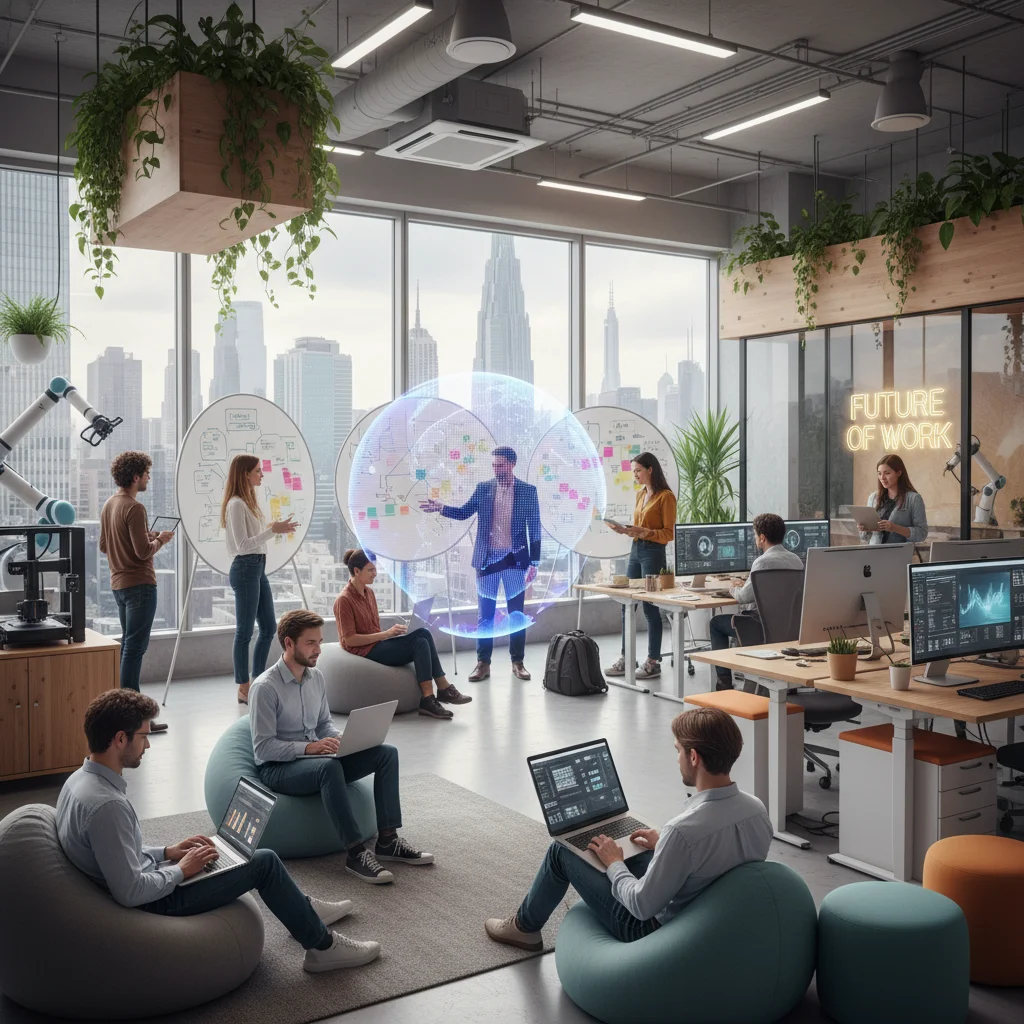
The landscape of work is undergoing a profound transformation. For decades, the conventional 9-to-5, office-bound job was the undisputed standard. However, rapid technological advancements, shifting generational priorities, and unforeseen global events have accelerated a paradigm shift. Today, the very definition of ‘work’ is being rewritten, giving rise to a diverse array of alternative work models that are not just niche options but are increasingly becoming mainstream. By 2026, these innovative structures are set to redefine employment across the United States, offering unparalleled flexibility, autonomy, and efficiency for both employees and employers.
Anúncios
This article delves into four prominent alternative work models that are gaining significant traction and are poised to dominate the future of employment in the US. We will explore what makes each model unique, the benefits they offer, the challenges they present, and how they are fundamentally altering career paths and business operations. Understanding these shifts is crucial for anyone navigating the modern job market, whether you’re an employee seeking a better work-life balance, an employer looking to attract top talent, or a business striving for greater agility and resilience.
The End of the Traditional Office? Not Quite, But a Major Evolution
While the traditional office isn’t disappearing entirely, its role is certainly evolving. The COVID-19 pandemic served as a catalyst, forcing businesses worldwide to embrace remote work out of necessity. What many discovered was that productivity didn’t necessarily plummet, and in many cases, employee satisfaction improved. This realization opened the floodgates for exploring more sustainable and flexible ways of working, beyond the crisis. The demand for alternative work models isn’t just a fleeting trend; it’s a deep-seated desire for greater autonomy, better work-life integration, and a recognition that talent isn’t confined to a geographical location.
The push for these models also comes from the employer side. Companies are realizing that by offering flexibility, they can tap into a wider talent pool, reduce overhead costs associated with physical office spaces, and potentially boost employee retention. Furthermore, these models often foster a more results-oriented culture, where performance is measured by output rather than hours spent at a desk. Let’s explore the key players in this exciting evolution.
Anúncios
1. The Hybrid Work Model: The Best of Both Worlds
Perhaps the most widely adopted and celebrated of the alternative work models, hybrid work strikes a balance between in-office collaboration and remote flexibility. In a hybrid setup, employees typically split their time between working from home and coming into a physical office location for a few days a week. This model is designed to leverage the benefits of both environments: the focused productivity of remote work and the collaborative energy and social connection of in-person interaction.
Benefits of Hybrid Work:
- Enhanced Flexibility and Autonomy: Employees gain greater control over their schedules, allowing for better integration of personal and professional life. This increased autonomy is a significant driver of job satisfaction.
- Improved Work-Life Balance: Reduced commuting time and the ability to manage personal appointments more easily contribute to a healthier balance, combating burnout.
- Access to Wider Talent Pool: Companies are no longer restricted to hiring within a commutable distance, opening up opportunities to recruit top talent from anywhere in the country.
- Cost Savings for Employers: Reduced need for large, permanent office spaces can lead to significant savings on rent, utilities, and office supplies.
- Fosters Collaboration and Culture: Designated in-office days allow for crucial face-to-face meetings, team building, and mentorship opportunities that are harder to replicate virtually.
Challenges of Hybrid Work:
- Ensuring Equity: It’s vital to ensure that remote employees don’t feel overlooked for opportunities or promotions compared to their in-office counterparts.
- Maintaining Cohesion: Building a strong team culture when not everyone is physically together can be challenging and requires intentional effort.
- Technology Infrastructure: Reliable technology, secure networks, and effective communication tools are paramount for a seamless hybrid experience.
- Management Training: Managers need to be equipped with the skills to lead and evaluate teams effectively across both remote and in-office settings.
By 2026, hybrid work is expected to be the dominant model for many knowledge-based industries in the US. Its ability to offer flexibility while retaining a sense of community makes it a highly attractive option for the modern workforce.
2. Fully Remote Work: The Global Office
While hybrid work offers a blend, fully remote work takes flexibility to its extreme, allowing employees to perform their duties entirely from a location of their choosing, often without any requirement to visit a physical office. This model has seen a dramatic rise in popularity, especially in tech and creative industries, and is a cornerstone of the evolving landscape of alternative work models.

Benefits of Fully Remote Work:
- Ultimate Flexibility: Employees can work from anywhere in the world, leading to unparalleled freedom and the ability to design their ideal lifestyle.
- Access to a Global Talent Pool: Companies can hire the absolute best talent, regardless of geographical location, leading to highly skilled and diverse teams.
- Significant Cost Savings: Eliminating or drastically reducing office space translates into substantial savings on real estate, utilities, and associated overheads.
- Increased Productivity for Some: Many individuals find they are more productive in a quiet, personalized home environment free from office distractions.
- Environmental Benefits: Reduced commuting means lower carbon emissions and less traffic congestion.
Challenges of Fully Remote Work:
- Potential for Isolation: Lack of daily in-person interaction can lead to feelings of loneliness and disconnect for some employees.
- Communication Barriers: Relying solely on digital communication can sometimes lead to misunderstandings or slower decision-making.
- Work-Life Boundary Blurring: The lines between work and personal life can become blurred when the ‘office’ is always at home, potentially leading to burnout.
- Cybersecurity Risks: Managing security across diverse home networks requires robust IT protocols and employee training.
- Maintaining Company Culture: Building and sustaining a strong, cohesive company culture requires intentional strategies and virtual engagement.
For organizations prioritizing global reach and maximum employee autonomy, fully remote work will continue to be a powerful contender among alternative work models by 2026, particularly as tools for virtual collaboration become even more sophisticated.
3. The Gig Economy/Freelance Model: Empowering Independent Professionals
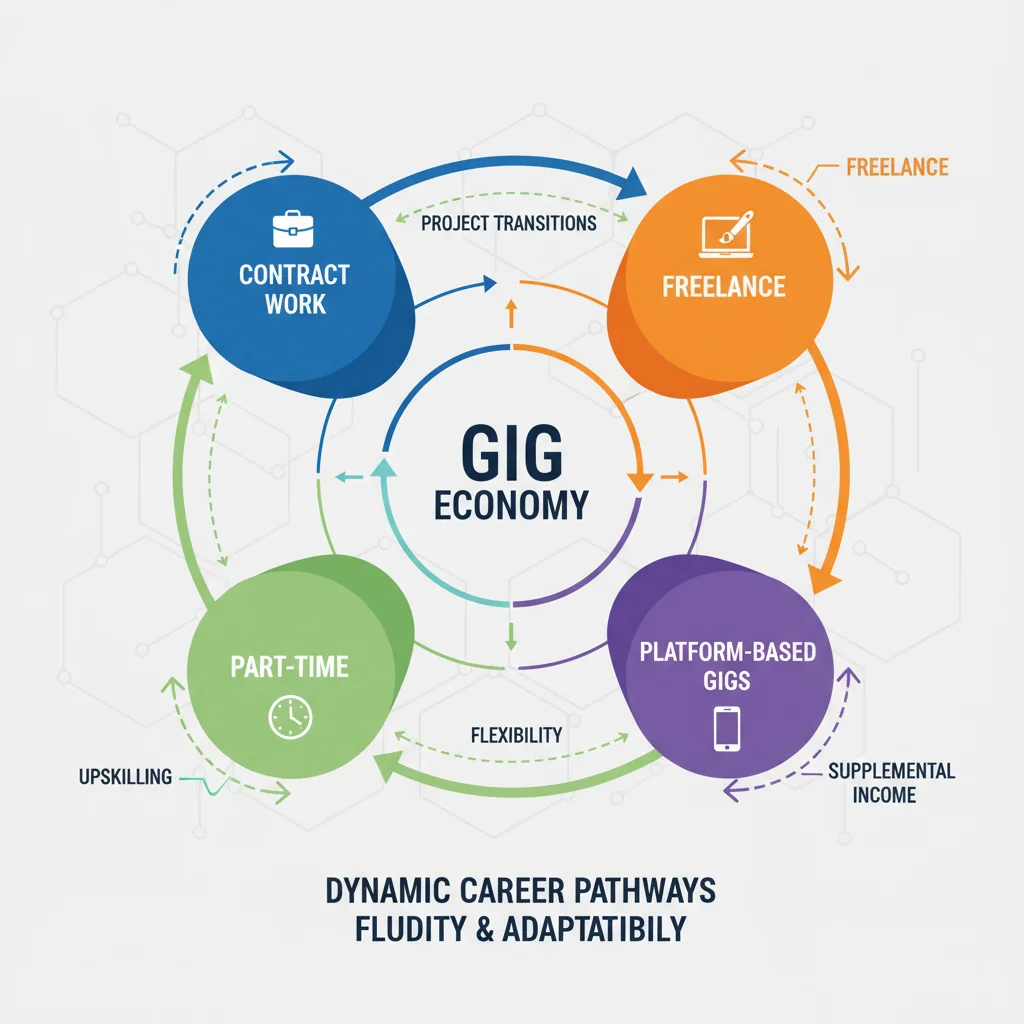
The gig economy, characterized by short-term contracts or freelance work rather than permanent jobs, is not new but has exploded in scale and scope. This model empowers individuals to work independently, offering their skills and services to multiple clients or projects on a contractual basis. From web developers and graphic designers to consultants and content creators, the gig economy is a vibrant ecosystem of independent professionals.
Benefits of the Gig Economy/Freelance Model:
- Complete Autonomy and Control: Freelancers dictate their own hours, choose their projects, and set their rates, offering unparalleled freedom.
- Diverse Work Experience: Working on various projects for different clients can lead to rapid skill development and a broad professional portfolio.
- Income Diversification: Relying on multiple income streams can provide a sense of financial security and resilience.
- Lower Overhead for Businesses: Companies can access specialized skills without the long-term commitment and costs associated with full-time employment.
- Rapid Scaling for Businesses: Businesses can quickly scale up or down their workforce based on project needs, enhancing agility.
Challenges of the Gig Economy/Freelance Model:
- Income Instability: Irregular work and income can be a major source of stress for freelancers.
- Lack of Benefits: Freelancers typically do not receive employer-sponsored benefits like health insurance, paid time off, or retirement plans.
- Self-Management and Marketing: Success in the gig economy requires strong self-discipline, time management, and continuous self-promotion.
- Legal and Tax Complexities: Navigating contracts, invoicing, and self-employment taxes can be daunting.
- Perceived Lack of Loyalty: Some companies may struggle with integrating temporary workers into their core culture.
As businesses seek greater flexibility and individuals crave more control over their careers, the gig economy will continue its robust growth as a leading example of alternative work models well into 2026. Platforms connecting freelancers with clients are becoming increasingly sophisticated, further fueling this trend.
4. The Compressed Workweek: Redefining the Work-Life Equation
The compressed workweek is an innovative scheduling model where employees work their full-time hours (e.g., 40 hours) in fewer than five days, typically four days of 10 hours each. This model is gaining significant attention for its potential to boost employee well-being and productivity, and it stands out among emerging alternative work models.
Benefits of the Compressed Workweek:
- Extended Weekends: A three-day weekend provides more time for personal pursuits, family, rest, and errands, leading to improved work-life balance.
- Increased Employee Morale and Retention: The perceived value of an extra day off can significantly boost job satisfaction and loyalty.
- Reduced Commuting Costs and Time: Fewer days in the office mean less money spent on gas or public transport, and more time reclaimed from commuting.
- Potential for Increased Productivity: Employees may be more focused and efficient during their longer workdays, knowing they have an extended break ahead.
- Attraction for Talent: Offering a compressed workweek can be a powerful differentiator for companies looking to attract top talent in a competitive market.
Challenges of the Compressed Workweek:
- Longer Workdays: Ten-hour days can be physically and mentally demanding for some, potentially leading to fatigue or reduced concentration towards the end of the day.
- Client/Customer Service Impact: Businesses need to carefully manage coverage to ensure clients and customers are not negatively impacted by reduced availability on certain days.
- Scheduling Complexities: Coordinating schedules across teams and departments can become more intricate.
- Not Suitable for All Roles: Some roles, particularly those requiring constant presence or immediate response, may not be amenable to a compressed schedule.
- Potential for Burnout: If not managed well, the intensity of longer workdays could paradoxically lead to burnout if employees don’t genuinely disconnect on their days off.
While still less common than hybrid or remote models, the compressed workweek is rapidly gaining ground, with pilot programs showing promising results. By 2026, expect to see more companies experimenting with and adopting this model as part of their suite of alternative work models, particularly in sectors where intense focus periods are feasible.
The Intersection of Technology and Alternative Work Models
None of these alternative work models would be possible without the relentless march of technological innovation. Cloud computing, high-speed internet, collaborative software (like Slack, Microsoft Teams, Zoom), project management tools (like Asana, Trello, Monday.com), and advanced cybersecurity solutions are the bedrock upon which these new ways of working are built. As AI and automation continue to evolve, they will further enhance the efficiency and feasibility of these models, enabling even more seamless remote collaboration and autonomous work.
The development of virtual reality (VR) and augmented reality (AR) technologies also holds immense promise for the future of alternative work models. Imagine conducting meetings in a virtual office space that feels as immersive as a physical one, or collaborating on 3D models with colleagues located thousands of miles apart. These technologies could bridge some of the experiential gaps that still exist in fully remote setups, making them even more appealing.
Navigating the Future: Tips for Employees and Employers
For Employees:
- Develop Digital Literacy: Proficiency with collaboration tools, cloud platforms, and cybersecurity best practices is non-negotiable.
- Cultivate Self-Discipline and Time Management: Autonomy comes with responsibility. Structure your day, set boundaries, and manage your time effectively.
- Prioritize Communication: Be proactive in communicating with your team and manager, ensuring transparency and clarity.
- Invest in Your Workspace: Whether at home or in a shared space, create an ergonomic and productive environment.
- Network Actively: In less traditional settings, intentional networking becomes even more critical for career growth and avoiding isolation.
- Advocate for Flexibility: Understand the benefits of alternative work models and be prepared to discuss how they can work for your role and your employer.
For Employers:
- Establish Clear Policies: Define expectations, communication protocols, and performance metrics for each work model.
- Invest in Technology: Provide employees with the necessary tools, software, and secure infrastructure to work effectively from anywhere.
- Train Managers: Equip leaders with the skills to manage distributed teams, foster engagement, and evaluate performance based on results.
- Focus on Culture and Connection: Implement strategies to build and maintain a strong company culture, whether through virtual team-building events or intentional in-person gatherings in hybrid models.
- Prioritize Well-being: Be mindful of the potential for burnout in flexible models and promote work-life boundaries.
- Be Adaptable and Experiment: The optimal model isn’t static. Be prepared to collect feedback, analyze data, and iterate on your approach to alternative work models.
The Broader Impact on Society and Economy
The widespread adoption of these alternative work models has far-reaching implications beyond individual companies and careers. Economically, they can revitalize rural areas as people move away from expensive urban centers, leading to a more distributed economic landscape. This shift can also reduce urban congestion and housing costs in major cities.
Socially, greater flexibility can lead to more equitable opportunities for diverse groups, including parents, caregivers, and individuals with disabilities, who may find traditional work structures prohibitive. It can also foster greater gender equality in the workplace by allowing both men and women to better balance professional ambitions with personal responsibilities.
However, these shifts also present challenges for urban planning, local economies reliant on commuter traffic, and the evolution of social infrastructure. Governments and communities will need to adapt to these changes, ensuring that public services, transportation, and community spaces evolve to meet the needs of a more distributed workforce.
Conclusion: The Future is Flexible
By 2026, the traditional 9-to-5 will be just one of many options in a rich tapestry of employment opportunities. The rise of hybrid work, fully remote setups, the booming gig economy, and the increasing popularity of compressed workweeks are not just temporary responses to recent events; they represent a fundamental, irreversible shift in how we approach work. These alternative work models offer unprecedented opportunities for flexibility, autonomy, and efficiency, reshaping the relationship between employees and employers for the better.
For individuals, this means more choices, greater control over their careers, and the potential for a more integrated and fulfilling life. For businesses, it means access to a wider talent pool, reduced operational costs, and enhanced resilience in an unpredictable world. Embracing these alternative work models is no longer an option but a strategic imperative for success in the evolving US job market. The future of work is undeniably flexible, and those who adapt will be best positioned to thrive.