
Navigating the Gig Economy in 2026: 5 Strategies to Optimize Your Income by 15%
The gig economy has evolved from a niche alternative to a dominant force in the global workforce. As we stride into 2026, the landscape continues to shift, presenting both unprecedented opportunities and new challenges for independent contractors, freelancers, and project-based workers. For those aiming to not just survive but thrive, understanding and adapting to these changes is paramount. This comprehensive guide will delve into five actionable strategies designed to help you optimize your gig economy income by a significant 15% or more in the coming year, ensuring financial stability and growth in an ever-dynamic market.
Anúncios
The allure of the gig economy—flexibility, autonomy, and the potential for uncapped earnings—remains strong. However, success in this environment is not accidental; it’s the result of strategic planning, continuous skill development, and a keen awareness of market trends. Whether you’re a seasoned freelancer or just starting your journey, the insights shared here will equip you with the tools to elevate your financial standing. We’ll explore everything from leveraging cutting-edge AI tools to mastering personal branding and diversifying your income streams, all centered around maximizing your gig economy income.
In 2026, the gig economy is characterized by increased specialization, a greater demand for hybrid skills, and the widespread adoption of advanced technological solutions. Automation, while a concern for some, also opens new avenues for those who can integrate these tools into their service offerings. Furthermore, global connectivity means your talent pool is larger, but so is your competition. Therefore, a proactive approach to skill enhancement and market positioning is crucial. Let’s embark on this journey to unlock your full earning potential and significantly boost your gig economy income.
Strategy 1: Diversify Your Income Streams and Skillsets
One of the most critical strategies for optimizing your gig economy income in 2026 is diversification. Relying on a single client, platform, or skill set can leave you vulnerable to market fluctuations and sudden changes in demand. Instead, cultivate multiple income streams and continuously expand your skill repertoire to remain resilient and competitive.
Anúncios
Why Diversification is Key for Gig Economy Income
- Risk Mitigation: If one client reduces their workload or a platform changes its policies, you have other sources of income to fall back on.
- Increased Earning Potential: More streams often translate to higher overall income. You can balance higher-paying, complex projects with quicker, smaller gigs.
- Market Adaptability: By having diverse skills, you can pivot more easily to meet new market demands or exploit emerging opportunities.
How to Diversify Effectively:
- Identify Complementary Skills: Think about skills that naturally pair with your primary offering. For example, if you’re a writer, consider adding content strategy, SEO optimization, or social media management to your services. If you’re a web developer, perhaps UI/UX design or cybersecurity consulting.
- Explore Different Platforms: Don’t put all your eggs in one basket. If you primarily use Upwork, explore platforms like Fiverr, Toptal, or even specialized niche job boards relevant to your industry. LinkedIn’s freelance services are also growing.
- Develop Passive Income Streams: This is a game-changer for boosting your gig economy income. Consider creating digital products (e-books, online courses, templates, stock photos), affiliate marketing, or even starting a blog that generates ad revenue. While these require initial effort, they can provide ongoing income with minimal maintenance.
- Offer Tiered Services: Structure your services into different packages (basic, standard, premium) to cater to a wider range of clients and budgets. This allows you to capture more market share and upsell clients.
- Geographic Diversification: With remote work being the norm, don’t limit yourself to clients in your time zone or country. Expanding your client base internationally can open up new markets and higher-paying opportunities, significantly impacting your gig economy income.
By consciously building a robust portfolio of skills and income sources, you create a safety net and pave the way for substantial growth in your gig economy income. This proactive approach ensures you’re not just reacting to the market but actively shaping your financial future.

Strategy 2: Leverage AI and Automation Tools to Enhance Productivity and Offerings
The integration of Artificial Intelligence (AI) and automation tools is no longer optional; it’s a necessity for any gig worker aiming to optimize their gig economy income in 2026. These technologies can drastically reduce the time spent on mundane tasks, allowing you to focus on high-value work, take on more projects, and even offer new, AI-powered services.
How AI and Automation Boost Your Gig Economy Income:
- Time Savings: Automate repetitive tasks like scheduling, invoicing, email responses, and data entry. This frees up hours you can dedicate to client work or skill development.
- Increased Capacity: By working smarter, not just harder, you can manage more clients and projects without sacrificing quality, directly impacting your gig economy income.
- Enhanced Quality: AI tools can assist in quality control, offering suggestions for grammar, style, code optimization, or design improvements.
- New Service Opportunities: Position yourself as an expert in using AI tools. Offer services like AI-powered content generation, data analysis, or personalized marketing campaigns, adding new revenue streams to your gig economy income.
Practical AI and Automation Tools for Gig Workers:
- AI Content Generators: Tools like Jasper, Copy.ai, or Frase can help with drafting articles, social media posts, ad copy, and even code snippets. While they won’t replace human creativity, they can significantly speed up the initial drafting process.
- Project Management & CRM Software: Platforms like Asana, Trello, ClickUp, or HoneyBook (which includes CRM, invoicing, and contract management) automate workflows, client communication, and task tracking, making your operations smoother and more efficient.
- Scheduling Assistants: Calendly, Acuity Scheduling, or even advanced AI assistants can manage your calendar, book meetings, and send reminders, eliminating back-and-forth emails.
- Financial Automation: Use tools like QuickBooks Self-Employed, FreshBooks, or Wave to automate invoicing, expense tracking, and tax preparation. Some even offer predictive analytics for your gig economy income.
- No-Code/Low-Code Platforms: Tools like Zapier, Make (formerly Integromat), or Bubble allow you to connect different apps and automate complex workflows without needing to write a single line of code, opening up possibilities for unique service offerings.
Embracing AI and automation isn’t about being replaced; it’s about augmenting your abilities and making your services more valuable and efficient. By integrating these tools strategically, you can significantly increase your productivity, expand your service offerings, and ultimately boost your gig economy income by 15% or more.
Strategy 3: Master Personal Branding and Networking
In a crowded market, simply being good at what you do isn’t enough. To truly optimize your gig economy income, you need to stand out. This is where personal branding and strategic networking come into play. A strong personal brand communicates your unique value proposition, while a robust network opens doors to new opportunities and collaborations.
The Power of Personal Branding for Your Gig Economy Income:
- Attract Ideal Clients: A clear brand message attracts clients who value your specific expertise and are willing to pay premium rates.
- Build Trust and Credibility: A consistent and professional brand identity fosters trust, making clients more confident in hiring you.
- Command Higher Rates: When you’re perceived as an expert or a leader in your niche, you can justify higher fees for your services, directly impacting your gig economy income.
- Differentiation: Your brand helps you stand out from the competition, highlighting what makes you unique.
Steps to Building a Powerful Personal Brand:
- Define Your Niche and Expertise: Don’t try to be everything to everyone. Identify your core strengths and the specific problems you solve for clients. What makes you unique?
- Create a Professional Online Presence: This includes an optimized LinkedIn profile, a professional website or portfolio, and consistent branding across all social media channels where your target clients are active. Ensure your messaging is cohesive.
- Showcase Your Work: Regularly update your portfolio with your best work. Include testimonials and case studies that highlight the results you’ve delivered for past clients.
- Share Your Knowledge: Become a thought leader in your field. Write blog posts, create videos, participate in online forums, or speak at virtual events. This establishes your authority and attracts potential clients.
Strategic Networking for Enhanced Gig Economy Income:
- Online Communities: Join relevant industry groups on LinkedIn, Facebook, Slack, or Discord. Engage genuinely, offer help, and share insights.
- Virtual Events and Conferences: Attend webinars, online workshops, and virtual conferences to learn, connect with peers, and meet potential clients.
- Referral Networks: Cultivate relationships with other freelancers who offer complementary services. You can refer clients to each other, creating a symbiotic relationship that boosts everyone’s gig economy income.
- Follow-Up Consistently: Don’t just collect contacts; nurture them. Send personalized follow-up messages, share relevant articles, and check in periodically.
By investing time in building your personal brand and actively networking, you create a powerful magnet for high-quality clients and lucrative opportunities, directly contributing to a substantial increase in your gig economy income.
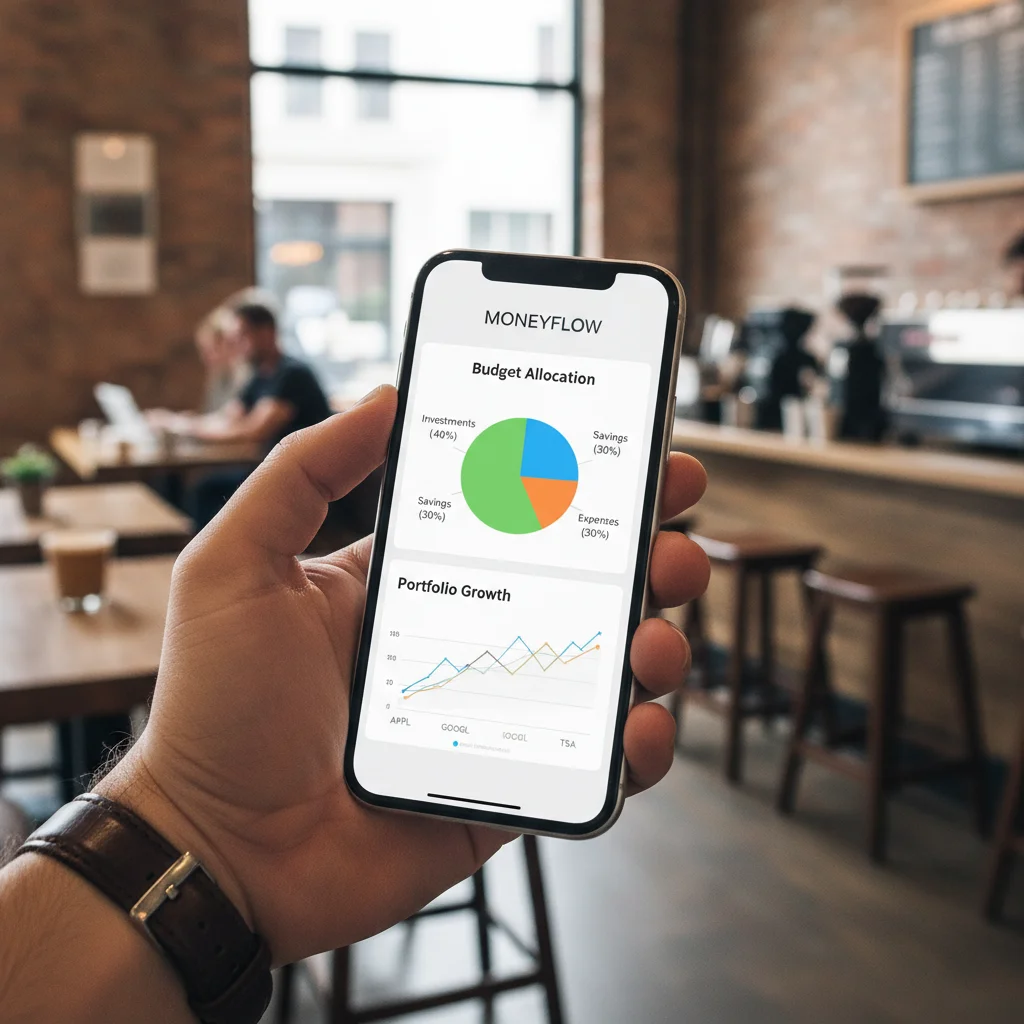
Strategy 4: Optimize Your Pricing and Financial Management
Many gig workers undervalue their services, leaving significant money on the table. To achieve a 15% increase in your gig economy income, you must critically evaluate your pricing strategy and implement robust financial management practices. This isn’t just about charging more; it’s about charging correctly and managing your finances intelligently.
Smart Pricing Strategies:
- Value-Based Pricing: Instead of hourly rates, consider pricing based on the value you deliver to the client. If your service helps a client save $10,000, charging $1,000 is a bargain for them and profitable for you. This often leads to higher gig economy income.
- Research Market Rates: Understand what others in your niche with similar experience are charging. Don’t just compete on price; compete on value and expertise.
- Tiered Pricing & Packages: As mentioned earlier, offering different service packages allows clients to choose what suits their budget while giving you opportunities to upsell.
- Charge for Your Time & Expertise: Factor in not just the time spent on a project but also your years of experience, specialized skills, and the overhead costs of running your business.
- Implement Price Increases Annually: Don’t be afraid to raise your rates regularly, especially as you gain more experience and refine your skills. Communicate these changes professionally to existing clients.
Effective Financial Management for Gig Workers:
- Separate Business and Personal Finances: This is fundamental for clarity, tax purposes, and accurately tracking your gig economy income and expenses.
- Track All Income and Expenses: Use accounting software (e.g., QuickBooks Self-Employed, FreshBooks) to meticulously record every transaction. This simplifies tax season and helps you understand your profitability.
- Set Aside for Taxes: As a gig worker, you’re responsible for your own taxes. Set aside a percentage of every payment (e.g., 25-35%) into a separate savings account specifically for taxes.
- Create a Budget: Understand your personal and business expenses. A budget helps you control spending and ensures you’re allocating funds wisely, contributing to a stable gig economy income.
- Build an Emergency Fund: The gig economy can have unpredictable income streams. Aim for 3-6 months of living expenses saved in an emergency fund to weather lean periods.
- Invest in Your Business: Allocate a portion of your income back into skill development, better equipment, marketing, or professional coaching. These investments can yield significant returns in the long run, boosting your gig economy income further.
By taking a proactive approach to pricing and diligently managing your finances, you gain greater control over your financial destiny and lay a solid foundation for achieving your gig economy income goals.
Strategy 5: Prioritize Continuous Learning and Niche Specialization
The gig economy of 2026 demands constant evolution. What was relevant yesterday might be obsolete tomorrow. To maintain and significantly grow your gig economy income, you must commit to continuous learning and consider specializing in high-demand, niche areas.
The Importance of Lifelong Learning:
- Stay Relevant: New technologies, tools, and methodologies emerge constantly. Learning keeps your skills sharp and in demand.
- Increase Value: The more skills you acquire, especially those that are rare or complex, the more valuable you become to clients, allowing you to command higher rates and boost your gig economy income.
- Adapt to Market Shifts: Continuous learning enables you to pivot quickly when market demands change, ensuring your services remain sought after.
- Competitive Advantage: Clients prefer working with professionals who are up-to-date with the latest industry trends and best practices.
How to Implement Continuous Learning:
- Online Courses and Certifications: Platforms like Coursera, edX, LinkedIn Learning, and Udemy offer a vast array of courses in virtually any field. Look for certifications that are recognized in your industry.
- Industry Publications and Blogs: Regularly read leading industry blogs, journals, and newsletters to stay informed about trends and developments.
- Webinars and Workshops: Participate in live or on-demand webinars and workshops to learn new skills and interact with experts.
- Mentorship and Coaching: Invest in a mentor or coach who can guide you, provide feedback, and help you navigate your career path.
- Experimentation and Side Projects: Apply what you learn through personal projects. This hands-on experience solidifies your knowledge and builds your portfolio.
The Power of Niche Specialization:
While diversification (Strategy 1) involves having multiple income streams, niche specialization means becoming an undisputed expert in a very specific area. This doesn’t contradict diversification; rather, it complements it by making one or two of your diversified streams exceptionally strong.
- Higher Demand, Less Competition: Niches often have fewer qualified professionals, leading to higher demand for your specialized skills.
- Premium Rates: As a specialist, you can command higher fees because clients are willing to pay for targeted expertise that solves their specific problems. This directly impacts your gig economy income.
- Easier Marketing: It’s easier to market yourself when you know exactly who you’re trying to reach and what specific problem you solve.
- Become a Go-To Expert: Being a specialist positions you as an authority, leading to more referrals and inbound leads.
Identify emerging niches within your broader field (e.g., instead of just ‘copywriting,’ specialize in ‘AI-optimized SaaS copywriting’ or ‘sustainable fashion e-commerce content’). By combining continuous learning with strategic niche specialization, you create an irresistible value proposition that will significantly boost your gig economy income and secure your place as a top-tier gig professional in 2026.
Conclusion: Your Path to a 15% Increase in Gig Economy Income
The gig economy in 2026 is a landscape brimming with potential for those willing to adapt, learn, and strategize. Achieving a 15% increase in your gig economy income is not an ambitious pipe dream but a tangible goal attainable through concerted effort and the application of these five powerful strategies.
By consciously diversifying your income streams and skillsets, you build resilience and open new avenues for growth. Leveraging AI and automation tools isn’t about cutting corners; it’s about working smarter, increasing your capacity, and offering more sophisticated services. Mastering personal branding and strategic networking elevates your profile, attracting higher-paying clients who value your unique expertise. Optimizing your pricing and financial management ensures you’re paid fairly for your work and that your earnings are managed for maximum benefit. Finally, committing to continuous learning and niche specialization keeps you at the forefront of your industry, making you indispensable.
Remember, success in the gig economy is a journey, not a destination. Each of these strategies builds upon the others, creating a synergistic effect that will accelerate your financial growth. Start implementing these changes today, track your progress, and be prepared to see a significant positive impact on your gig economy income by the end of 2026. Your financial future in the gig economy is largely in your hands; empower yourself with these strategies and thrive.