Mastering Digital Decluttering: Boost Productivity 15% by 2026

Anúncios
Mastering Digital Decluttering: 5 Strategies to Boost Your Productivity by 15% in 2026
In our increasingly interconnected world, our digital lives often mirror our physical ones: cluttered, chaotic, and overwhelming. From overflowing inboxes to desktop graveyards, the digital mess can be a silent assassin of productivity, eroding focus, increasing stress, and ultimately hindering our potential. But what if there was a way to reclaim control, streamline your digital environment, and significantly boost your productivity? Welcome to the world of digital decluttering productivity – a powerful methodology designed to transform your digital habits and elevate your efficiency.
As we look towards 2026, the imperative to optimize our digital spaces becomes even more critical. The average professional spends countless hours navigating digital noise, costing businesses billions in lost productivity annually. This comprehensive guide will not only introduce you to the concept of digital decluttering but also provide you with five actionable strategies to master it, promising a remarkable 15% boost in your productivity. Get ready to embark on a journey towards a more organized, focused, and productive digital existence.
Anúncios
The Silent Drain: Understanding the Impact of Digital Clutter on Productivity
Before diving into solutions, it’s crucial to understand the profound impact digital clutter has on our daily lives and, more specifically, our productivity. Think about your current digital landscape: how many unread emails are in your inbox? How many apps are on your phone’s home screen that you haven’t used in months? How many files are scattered across your desktop, making it impossible to find what you need quickly?
This digital chaos isn’t merely an aesthetic issue; it’s a cognitive burden. Each unread notification, every disorganized file, and every unused app represents a tiny cognitive load, collectively draining your mental energy and diminishing your capacity for deep work. Research consistently shows that a cluttered environment, whether physical or digital, leads to increased stress, reduced focus, and a significant drop in efficiency. For instance, studies indicate that people spend an average of 15-20 minutes a day just searching for files, a direct consequence of poor digital organization. This lost time, compounded over weeks and months, equates to a substantial loss in potential output and, ultimately, a drag on your overall digital decluttering productivity goals.
The constant barrage of notifications from various apps and social media platforms further exacerbates the problem. Our brains are wired to respond to novelty, making us susceptible to these digital pings. Each interruption, no matter how small, breaks our concentration and can take up to 23 minutes to fully recover from. Imagine the cumulative effect of dozens of such interruptions throughout your workday. It’s a recipe for fragmented attention and superficial work, making it nearly impossible to achieve meaningful progress on complex tasks. By recognizing these insidious effects, we can better appreciate the urgency and necessity of adopting robust digital decluttering strategies.
Anúncios
Strategy 1: The Inbox Zero Revolution – Reclaiming Your Email Sanity
Email is often the epicenter of digital clutter. For many, the inbox is a never-ending stream of messages, notifications, and spam, leading to feelings of overwhelm and anxiety. The ‘Inbox Zero’ methodology isn’t about having zero emails in your inbox permanently; it’s about processing each email efficiently and ensuring your inbox only contains actionable items. This strategy is foundational for boosting your digital decluttering productivity.
Implementing Inbox Zero: A Step-by-Step Guide
- Process, Don’t Just Read: When an email arrives, immediately decide its fate. Can you respond in less than two minutes? Do it. Does it require more time? Schedule it. Is it information you need to keep? Archive it. Is it junk? Delete it.
- Unsubscribe Relentlessly: Take five minutes each day to unsubscribe from any newsletters, promotional emails, or alerts you no longer find valuable. Use tools like Unroll.me or simply click the unsubscribe link at the bottom of the email.
- Create Smart Folders and Labels: Instead of leaving everything in your inbox, create a system of folders or labels (e.g., ‘Action Required,’ ‘Waiting For,’ ‘Reference,’ ‘Archived’) to categorize emails once they’ve been processed. This keeps your main inbox clean and allows for easy retrieval later.
- Schedule Email Time: Resist the urge to check emails constantly throughout the day. Designate specific times (e.g., 9 AM, 1 PM, 4 PM) for checking and processing emails. This minimizes interruptions and allows for focused work during other periods.
- Leverage Automation: Many email clients offer rules and filters. Set them up to automatically move certain emails (like receipts, social media notifications) to specific folders or even mark them as read, keeping your primary inbox clear for priority communications.
By consistently applying these principles, you’ll find your inbox transforming from a source of stress into a powerful tool for communication and organization. The mental clarity gained from a clean inbox is invaluable for sustaining high levels of digital decluttering productivity.
Strategy 2: Desktop Minimalism – Your Digital Workspace, Reimagined
Your computer desktop is your digital home base. If it’s covered in icons, random files, and screenshots, it’s not just an eyesore; it’s a constant source of distraction and inefficiency. A minimalist desktop, on the other hand, promotes focus and makes it easier to find what you need, when you need it. This is a critical component of enhancing your digital decluttering productivity.
Achieving Desktop Minimalism
- Clear the Clutter: Start by moving all files and shortcuts from your desktop into a temporary folder (e.g., ‘Desktop Cleanup’). This gives you a clean slate.
- Organize into a Logical Folder Structure: Create a hierarchical folder system in your documents or cloud storage. Think about categories that make sense for your work and personal life (e.g., ‘Projects,’ ‘Personal,’ ‘Work Documents,’ ‘Archives’). Resist the urge to create too many top-level folders; aim for 5-7 main categories, with subfolders as needed.
- Use a Temporary ‘To Process’ Folder: For new downloads or files you’re actively working on, create a single ‘To Process’ or ‘Inbox’ folder on your desktop. Make it a habit to process these files daily, moving them to their permanent homes.
- Minimize Icons: Only keep essential application shortcuts on your desktop. For frequently used apps, consider pinning them to your taskbar or dock. Hide desktop icons completely if you primarily use the search function to open applications.
- Choose a Calming Background: Opt for a simple, non-distracting desktop background. A solid color or a minimalist image can significantly reduce visual noise and improve focus.
A clean desktop isn’t just aesthetically pleasing; it’s a psychological cue for focus and organization. When you sit down to work, a tidy digital space primes your mind for productive activity, making it easier to concentrate on the task at hand and significantly contributing to your digital decluttering productivity.
Strategy 3: App and Notification Audit – Taming Your Digital Devices
Our smartphones and tablets, while incredibly useful, can also be major sources of distraction. The sheer number of apps we install and the constant stream of notifications can chip away at our attention span and derail our productivity. An app and notification audit is essential for enhancing your digital decluttering productivity.
Conducting an App and Notification Audit
- Delete Unused Apps: Go through all your devices (phone, tablet, computer) and ruthlessly delete any app you haven’t used in the last 30-60 days. If you’re unsure, move it to a ‘Maybe Delete’ folder and revisit it in another month.
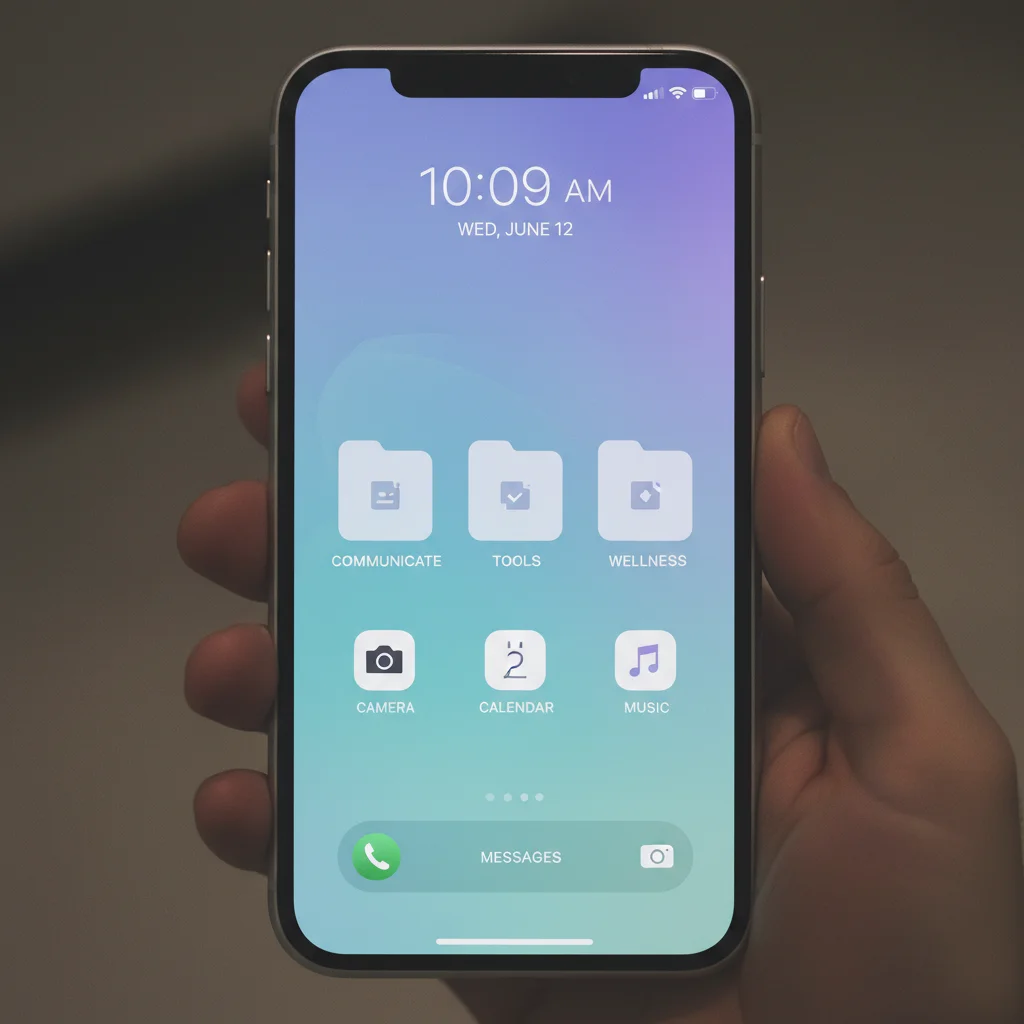
- Organize Remaining Apps: Group similar apps into folders on your home screen (e.g., ‘Work,’ ‘Social,’ ‘Utilities,’ ‘Health’). Keep your most frequently used and essential apps on your primary home screen, minimizing the need to swipe through multiple pages. Consider a minimalist home screen where only essential communication tools reside.
- Disable Non-Essential Notifications: This is perhaps the most impactful step. Go into your device settings and disable notifications for almost all apps except for critical communication tools (e.g., calls, essential work messages). Turn off badge icons for social media, news, and entertainment apps. Push notifications are designed to pull your attention away; by disabling them, you reclaim control over your focus.
- Utilize Do Not Disturb Modes: Learn to use your device’s ‘Do Not Disturb’ or ‘Focus Mode’ features. Schedule them to activate during your work hours or during times you need uninterrupted concentration.
- Limit Social Media Usage: Consider using app blockers or screen time limits for social media and other distracting apps. Many devices have built-in features for this, or you can use third-party apps to enforce limits.
By taking a proactive approach to managing your apps and notifications, you transform your devices from sources of constant interruption into powerful tools that serve your goals. This strategic reduction in digital noise is paramount for boosting your digital decluttering productivity.
Strategy 4: Cloud and Storage Management – Digital Archiving for Efficiency
In the era of cloud computing, it’s easy to accumulate vast amounts of data across various platforms: Google Drive, Dropbox, OneDrive, local hard drives, and external backups. Without a clear system, this can become a sprawling digital wasteland, making it difficult to find files, increasing the risk of data loss, and slowing down your devices. Effective cloud and storage management is vital for sustained digital decluttering productivity.
Best Practices for Cloud and Storage Management
- Consolidate and Choose Your Primary Platform: If you’re using multiple cloud storage services, consider consolidating to one or two primary platforms. This reduces complexity and centralizes your files.
- Implement a Consistent Naming Convention: Develop a consistent and logical file naming convention (e.g.,
YYYY-MM-DD_ProjectName_DocumentTitle_Version). This makes files easily searchable and understandable at a glance. - Regularly Review and Archive: Schedule a monthly or quarterly review of your digital files. Delete duplicates, old versions, and unnecessary documents. Archive older projects or files that are no longer actively used but need to be retained. Create an ‘Archive’ folder within your main structure.
- Leverage Search and Tags: Instead of relying solely on folder structures, learn to effectively use the search functions within your cloud storage and operating system. Utilize tags or labels for quick categorization and retrieval, especially for cross-cutting themes.
- Automate Backups: Ensure all critical files are regularly backed up, either to another cloud service, an external hard drive, or both. Automation removes the burden of manual backups and provides peace of mind.
A well-organized digital storage system not only saves you time searching for files but also reduces the cognitive load associated with managing vast amounts of data. This systematic approach is a cornerstone of enhancing your digital decluttering productivity.
Strategy 5: Digital Detox and Boundaries – Cultivating Mindful Digital Habits
The final, and perhaps most crucial, strategy for mastering digital decluttering productivity involves cultivating mindful digital habits through regular digital detoxes and setting clear boundaries. It’s not just about organizing your digital space; it’s about fundamentally changing your relationship with technology.
Practicing Digital Detox and Setting Boundaries
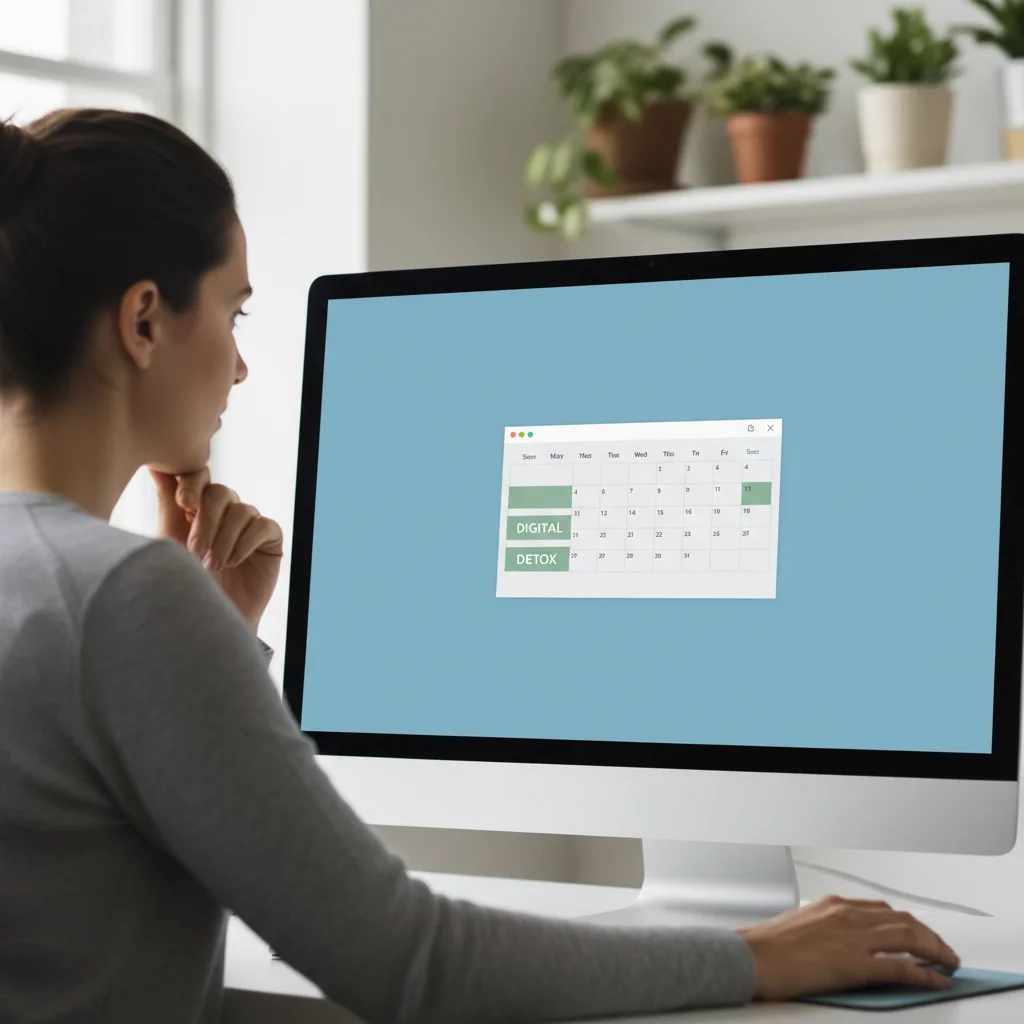
- Schedule Regular Digital Detox Periods: This could be an hour before bed, a technology-free day once a week, or a full weekend away from screens. Use this time to engage in non-digital activities like reading, spending time in nature, or pursuing hobbies.
- Establish Tech-Free Zones: Designate certain areas of your home as tech-free, such as the dining table or bedroom. This helps create physical boundaries that reinforce your digital boundaries.
- Set ‘Operating Hours’ for Digital Engagement: Just as you have work hours, define when you will and won’t engage with non-essential digital activities. For example, no social media before 9 AM or after 7 PM.
- Mindful Consumption: Before opening an app or clicking a link, ask yourself: ‘Is this serving my goals or just filling time?’ Practice intentional engagement rather than reactive consumption.
- Communicate Your Boundaries: Inform colleagues, friends, and family about your digital boundaries (e.g., ‘I won’t be checking emails after 6 PM’). This manages expectations and reduces pressure to be constantly available.
By intentionally stepping away from screens and setting clear limits, you allow your mind to rest, recharge, and return to digital tasks with renewed focus and creativity. This mindful approach to technology is not just about productivity; it’s about overall well-being and maintaining a healthy balance in your life, thereby reinforcing long-term digital decluttering productivity.
Measuring Your 15% Productivity Boost: How to Track Progress
The goal of these strategies isn’t just to feel more organized; it’s to achieve a tangible 15% boost in your productivity by 2026. But how do you measure such a qualitative improvement? While a precise numerical measurement can be challenging, a combination of quantitative and qualitative tracking methods can provide valuable insights into your progress in digital decluttering productivity.
Methods for Tracking Productivity Gains
- Time Tracking: Use time tracking apps (e.g., Toggl, Clockify) to monitor how you spend your work hours before and after implementing these strategies. Pay attention to reductions in time spent on email, searching for files, or getting distracted by notifications. You should see a shift towards more time spent on core, high-value tasks.
- Task Completion Rates: Keep a log of tasks completed daily or weekly. Are you finishing more tasks? Are you checking off items from your to-do list more consistently? Increased completion rates are a direct indicator of improved efficiency.
- Subjective Feeling of Focus and Stress: Regularly check in with yourself. Do you feel more focused during work sessions? Is your stress level related to digital overwhelm decreasing? While subjective, these feelings are powerful indicators of improved well-being and sustained digital decluttering productivity.
- Reduced Digital Distraction Log: For a week, manually log every time you get distracted by a digital ping or find yourself mindlessly scrolling. After implementing the strategies, repeat this exercise and compare the results. You should see a significant reduction in self-reported distractions.
- Deep Work Sessions: Track the duration and frequency of your ‘deep work’ sessions – periods of uninterrupted, highly focused work. As you declutter your digital life, you should be able to sustain longer and more frequent deep work periods.
- Feedback from Colleagues/Managers: Sometimes, external observation can be insightful. Have colleagues noticed an improvement in your responsiveness, efficiency, or ability to meet deadlines?
By consistently applying these tracking methods, you’ll be able to witness the transformative power of digital decluttering firsthand. The 15% productivity boost isn’t just an arbitrary number; it’s a realistic and achievable goal for those committed to mastering their digital environment and leveraging digital decluttering productivity.
The Long-Term Benefits of Sustained Digital Decluttering
Mastering digital decluttering productivity isn’t a one-time event; it’s an ongoing practice. The benefits extend far beyond a mere boost in efficiency. By integrating these strategies into your daily routine, you’re not just organizing your digital life; you’re cultivating a more mindful, intentional, and balanced approach to technology that will serve you well into 2026 and beyond.
Beyond Productivity: Holistic Well-being
- Reduced Stress and Anxiety: A cluttered digital space is a constant source of low-level stress. By decluttering, you remove these stressors, leading to a calmer and more focused mind.
- Improved Focus and Concentration: Fewer distractions mean a greater capacity for deep work, allowing you to tackle complex tasks with sustained attention.
- Enhanced Decision-Making: With less cognitive overload, your brain is freed up to make better decisions and engage in creative problem-solving.
- Better Work-Life Balance: By setting clear digital boundaries and scheduling detox periods, you create more space for personal life, hobbies, and relationships, leading to a healthier work-life integration.
- Increased Job Satisfaction: When you’re more productive and less overwhelmed, you naturally feel more accomplished and satisfied with your work.
- Digital Resilience: In an ever-evolving digital landscape, developing mindful digital habits builds resilience against future technological overwhelm and distractions.
Imagine approaching your workday with a clear desktop, an empty inbox, and devices that only alert you to truly important matters. This isn’t a pipe dream; it’s an achievable reality through consistent application of the digital decluttering productivity strategies outlined in this guide. The investment of time and effort now will pay dividends in the form of increased efficiency, reduced stress, and a greater sense of control over your digital world.
Conclusion: Your Path to a More Productive Digital Future
The journey to mastering digital decluttering productivity is a transformative one. It requires intentionality, discipline, and a willingness to challenge ingrained digital habits. However, the rewards – a significant boost in productivity, reduced stress, and a more balanced relationship with technology – are immeasurable. By implementing the five strategies outlined in this guide: revolutionizing your inbox, embracing desktop minimalism, auditing your apps and notifications, mastering cloud storage, and cultivating mindful digital habits, you are well on your way to achieving a remarkable 15% increase in productivity by 2026.
Don’t let digital clutter dictate your efficiency or diminish your well-being. Take control, one digital file and one notification at a time. Start today, and witness the profound positive impact that a decluttered digital life will have on your professional success and personal peace of mind. Your future, more productive self will thank you.