Digital Twins: Impacting Your Lifestyle by 2026
Anúncios
Digital twin technology is poised to fundamentally reshape how we live, work, and interact with our environment by 2026, offering unprecedented levels of personalization, efficiency, and predictive insights across various aspects of daily life.
Anúncios
Imagine a world where a virtual replica of your car predicts maintenance needs before they arise, or a digital version of your home optimizes energy consumption based on your habits. This isn’t science fiction; it’s the imminent reality driven by digital twin lifestyle technology, set to profoundly impact our daily lives by 2026. This article explores how these sophisticated virtual models will integrate into our routines, enhancing convenience, efficiency, and personalization in ways we’ve only just begun to conceptualize.
Anúncios
Understanding digital twins: More than just a copy
At its core, a digital twin is a virtual representation of a physical object, system, or process. It’s not merely a 3D model; it’s a dynamic, real-time reflection that receives data from its physical counterpart, allowing for constant monitoring, analysis, and simulation. This continuous data flow ensures the digital twin accurately mirrors the physical entity’s state, performance, and behavior.
While the concept has been around for some time, primarily in industrial and manufacturing sectors, its application is rapidly expanding. We are now seeing digital twins move beyond factories and into our personal spheres, driven by advancements in IoT, AI, machine learning, and cloud computing. This evolution is making them more accessible and applicable to everyday consumer experiences.
The foundational elements of digital twin technology
Several key components enable the functionality and widespread adoption of digital twins. These elements work in concert to create a robust and responsive virtual counterpart.
- Internet of Things (IoT) Sensors: These devices collect real-time data from the physical asset, transmitting it to the digital twin.
- Data Integration Platforms: Systems that consolidate and process vast amounts of data from various sources, ensuring accuracy and consistency.
- Artificial Intelligence (AI) and Machine Learning (ML): Algorithms that analyze data, identify patterns, predict future states, and enable autonomous decision-making within the digital twin.
- Cloud Computing: Provides the scalable infrastructure necessary to store and process the immense data volumes generated by digital twins.
The synergy of these technologies allows digital twins to offer insights and capabilities that go far beyond what traditional monitoring systems can provide. This foundational understanding is crucial to appreciating their coming impact on our lifestyles.
Smart homes and personalized environments
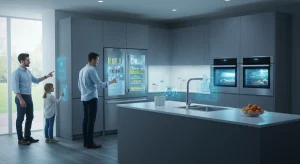
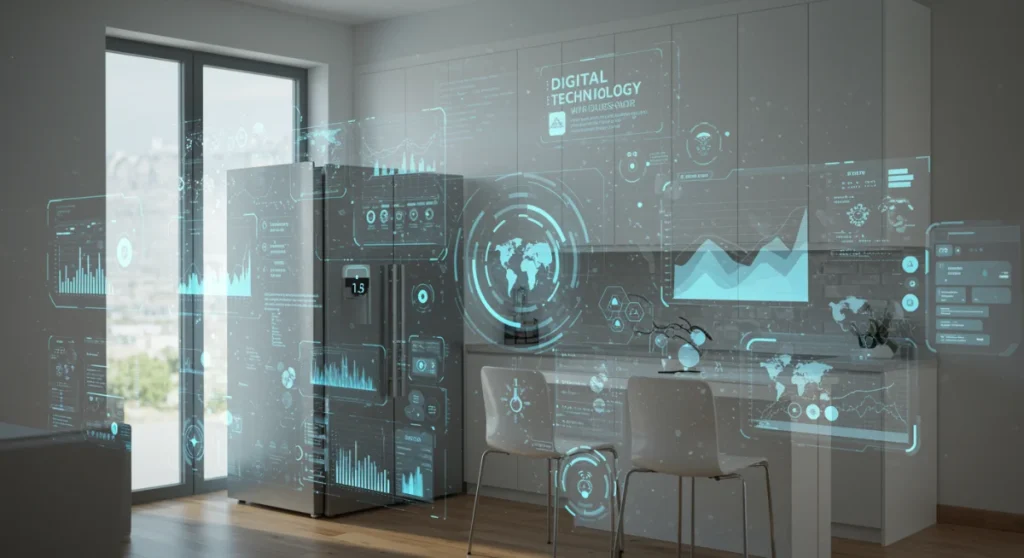
By 2026, your home might have its own digital twin, a virtual replica that understands and anticipates your needs. This isn’t just about smart devices communicating; it’s about an integrated system that learns your preferences, optimizes your environment, and even predicts potential issues before they arise.
Imagine your home’s digital twin adjusting lighting, temperature, and even air quality based on your schedule, the weather forecast, and your personal health data. It could pre-cool your bedroom before you arrive home, or detect an unusual energy spike indicating a faulty appliance. This level of environmental control and predictive maintenance will redefine comfort and efficiency.
Optimizing energy consumption and sustainability
A significant benefit of digital twins in homes will be their ability to dramatically improve energy efficiency. By constantly monitoring energy usage across all appliances and systems, the digital twin can identify inefficiencies and suggest optimizations.
- Predictive Energy Management: Learning peak usage times and adjusting power distribution to minimize costs.
- Resource Conservation: Identifying leaks in water systems or recommending optimal watering schedules for gardens based on real-time weather.
- Personalized Comfort Zones: Creating micro-climates within your home, heating or cooling only occupied areas.
This intelligent management not only saves money but also contributes significantly to a more sustainable lifestyle, reducing your carbon footprint without sacrificing comfort. The digital twin becomes a silent, always-on assistant dedicated to your home’s optimal performance.
Revolutionizing health and wellness
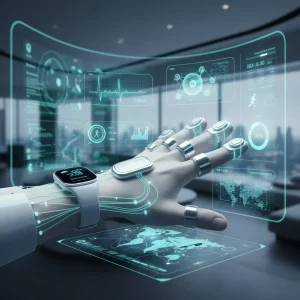
Perhaps one of the most transformative applications of digital twins will be in personal health. By 2026, many individuals could have a ‘digital health twin’ – a continually updated virtual model of their physiological and psychological state. This twin would aggregate data from wearables, medical records, and even environmental factors to provide unprecedented insights.
This personalized health twin could track vital signs, sleep patterns, activity levels, and even dietary intake. It could then analyze this data to predict potential health risks, suggest preventative measures, or even recommend personalized exercise routines and meal plans. The goal is proactive health management, moving beyond reactive treatment.
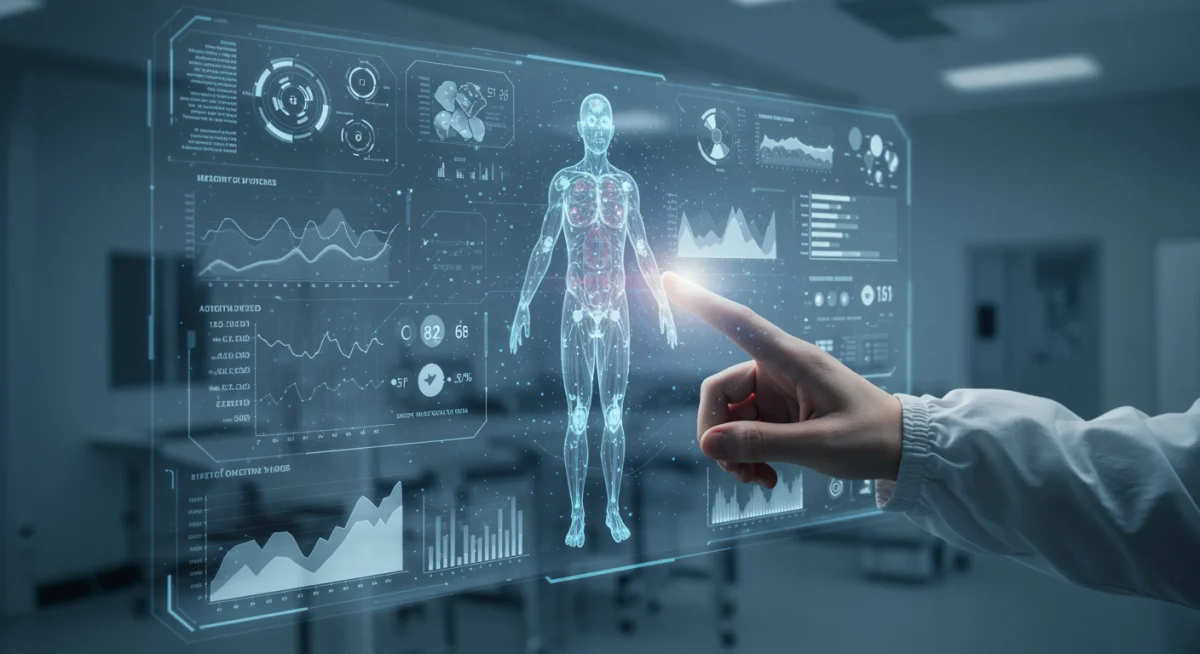
The implications for chronic disease management are particularly profound. For someone with diabetes, for example, a digital health twin could monitor blood sugar levels in real-time, predict fluctuations, and even suggest insulin dosages or dietary adjustments. This provides a continuous, personalized feedback loop that empowers individuals to take greater control of their health outcomes.
Preventative care and early detection
The predictive capabilities of digital health twins will be a game-changer for preventative care. Instead of waiting for symptoms to appear, the digital twin can identify subtle changes that might indicate an emerging health issue.
- Early Disease Warning: Detecting anomalies in biomarkers or physiological patterns before they manifest as illness.
- Personalized Intervention: Recommending specific lifestyle changes or medical consultations based on individual risk factors.
- Mental Wellness Monitoring: Analyzing sleep quality and activity to flag potential stress or anxiety levels, offering coping strategies.
This proactive approach means that health interventions can occur earlier, often preventing more serious conditions from developing and leading to a higher quality of life. The digital twin becomes a vigilant guardian of your well-being.
Enhanced urban living and smart cities
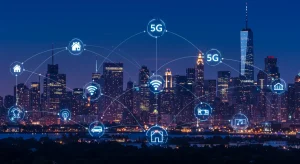
Beyond individual homes, digital twins are scaling up to transform entire urban environments. Smart cities are already leveraging this technology to create virtual models of infrastructure, traffic flows, energy grids, and public services. By 2026, these city-wide digital twins will directly impact daily commutes, public safety, and access to resources.
Imagine a digital twin of your city optimizing public transport routes in real-time based on traffic congestion and demand, or directing emergency services to incidents via the fastest, least obstructed paths. This level of urban intelligence aims to make city living more efficient, safer, and more pleasant for everyone.
Optimizing transportation and infrastructure
The impact on transportation will be particularly noticeable. Digital twins can simulate various scenarios, from the effect of a new public transit line to the consequences of a major road closure. This allows city planners to make data-driven decisions that improve daily commutes and reduce environmental impact.
- Dynamic Traffic Management: Adjusting traffic light timings and rerouting vehicles to alleviate congestion.
- Predictive Maintenance of Infrastructure: Identifying aging bridges or roads that require repair before failures occur.
- Autonomous Vehicle Integration: Simulating the interaction of self-driving cars with existing traffic patterns to ensure safety and efficiency.
These capabilities will lead to smoother commutes, reduced pollution, and a more resilient urban infrastructure, directly improving the quality of life for city dwellers. The digital twin becomes the city’s intelligent operating system.
Personalized retail and consumer experiences
The retail sector is another area ripe for disruption by digital twin technology. By 2026, your online and in-store shopping experiences could be dramatically more personalized and efficient, thanks to digital twins of products and even yourself as a consumer.
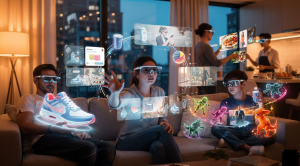
Imagine trying on clothes virtually using a digital twin of your body, ensuring a perfect fit without ever stepping into a fitting room. Or consider a digital twin of a product, providing you with its complete lifecycle history, from manufacturing to environmental impact, helping you make more informed purchasing decisions. This level of transparency and customization will redefine consumer engagement.
Tailored product recommendations and virtual try-ons
Digital twins will move beyond simple recommendation engines to offer truly bespoke shopping experiences. Your digital twin, armed with your preferences, measurements, and past purchases, can curate selections with unparalleled accuracy.
- Virtual Wardrobes: Digitally trying on clothes and accessories, seeing how they look and fit on your unique body shape.
- Personalized Product Development: Brands using aggregated digital twin data to design products that precisely meet consumer needs.
- Enhanced Product Transparency: Accessing a product’s digital twin to view its material composition, ethical sourcing, and performance metrics.
This fusion of physical and digital will empower consumers with greater choice, reduce returns, and create a more satisfying and sustainable retail journey. The digital twin transforms shopping from a transactional activity into a highly personalized and informed experience.
Work and productivity in a digital twin world
The impact of digital twins extends beyond personal consumption and into our professional lives. By 2026, many workplaces will integrate digital twins to enhance productivity, optimize operations, and create safer working environments. This applies across various sectors, from office spaces to complex industrial settings.
Consider a digital twin of an office building that optimizes climate control, lighting, and workspace allocation based on real-time occupancy and employee preferences. Or imagine a digital twin of a manufacturing plant that simulates production lines, identifies bottlenecks, and predicts equipment failures, ensuring seamless operations. This translates to increased efficiency and reduced downtime.
Optimizing remote work and collaborative environments
Even for remote work, digital twins can play a crucial role. A digital twin of your home office, for instance, could monitor environmental factors to ensure optimal conditions for focus and well-being, suggesting breaks or adjustments to lighting.
- Virtual Collaboration Spaces: Digital twins of meeting rooms or project environments, allowing geographically dispersed teams to interact more effectively.
- Predictive Maintenance for Equipment: Ensuring personal and professional devices are always functioning optimally, minimizing technical disruptions.
- Ergonomic Workspace Optimization: Analyzing posture and movement patterns to recommend ergonomic adjustments for health and comfort.
By providing a comprehensive, real-time view of physical and operational states, digital twins enable more informed decision-making and foster environments where both human and machine productivity can thrive. This integration will make work more adaptive and responsive to individual and organizational needs.
Ethical considerations and future challenges
As digital twins become more integrated into our lives, it’s crucial to address the ethical implications and potential challenges. The extensive data collection required for these twins raises significant concerns about privacy, data security, and the potential for misuse. Ensuring robust regulatory frameworks and transparent data practices will be paramount.
Moreover, the concept of a ‘digital self’ raises questions about identity and autonomy. Who owns the data of your personal digital twin? How can we prevent biases in AI algorithms from being replicated or amplified in these virtual models? These are complex questions that require careful consideration as the technology evolves.
Addressing privacy and data security concerns
The sheer volume and sensitivity of data collected by digital twins necessitate stringent security measures. Protecting personal information from breaches and unauthorized access will be a continuous challenge.
- Robust Encryption Protocols: Ensuring all data transmitted and stored is securely encrypted.
- Transparent Data Governance: Clearly defining who owns the data and how it can be used, with user consent as a cornerstone.
- Ethical AI Development: Implementing AI models that are fair, unbiased, and designed to protect individual privacy.
Successfully navigating these ethical landscapes will be key to the widespread acceptance and beneficial integration of digital twins into our daily lives. A future where digital twins enhance our existence must also be a future where our privacy and autonomy are respected and protected.
| Key Aspect | Impact by 2026 |
|---|---|
| Smart Homes | Personalized environmental control, optimized energy use, and predictive maintenance. |
| Health & Wellness | Proactive health management, early disease detection, and personalized wellness plans. |
| Urban Living | Optimized traffic flow, enhanced public safety, and efficient resource allocation in cities. |
| Retail & Work | Personalized shopping, virtual try-ons, and optimized workplace productivity. |
Frequently asked questions about digital twins
A digital twin is a virtual, real-time replica of a physical object, system, or process. It works by collecting data from sensors on its physical counterpart, processing it with AI and machine learning, and then simulating its behavior to provide insights, predict outcomes, and optimize performance. This continuous data exchange ensures accuracy.
By 2026, digital twins in homes will offer personalized environmental control, optimizing temperature, lighting, and air quality based on your habits and external factors. They will also enhance energy efficiency and provide predictive maintenance for appliances, ensuring a more comfortable, sustainable, and trouble-free living space.
Absolutely. A personal digital health twin can aggregate data from wearables and medical records to offer proactive health management. It can predict potential health risks, suggest preventative measures, and provide personalized advice on diet and exercise, moving healthcare from reactive treatment to continuous, individualized well-being.
In smart cities, digital twins will optimize urban infrastructure and services. Benefits include dynamic traffic management, predicting and preventing infrastructure failures, and enhancing public safety. They enable city planners to make data-driven decisions that lead to more efficient, sustainable, and livable urban environments for residents.
The primary ethical challenges revolve around data privacy and security, given the vast amounts of personal information collected. There are also concerns about data ownership, potential biases in AI algorithms, and the impact on individual autonomy. Addressing these requires robust regulations and transparent data governance to ensure responsible deployment.
Conclusion
The year 2026 is poised to be a pivotal moment for the integration of digital twin technology into our daily existence. From creating highly personalized and efficient smart homes to revolutionizing health management, urban planning, and retail experiences, these virtual replicas are set to redefine convenience, sustainability, and personal well-being. While ethical considerations surrounding privacy and data security remain crucial, the transformative potential of digital twins in shaping a more intelligent, responsive, and tailored lifestyle is undeniable. As this technology matures, we can anticipate an era where our physical and digital worlds will seamlessly converge, offering unprecedented opportunities for optimization and innovation across every facet of our lives.