Generative AI’s Influence on Online Creation: A 2026 Perspective on Content Generation and Digital Ethics in the US
Anúncios
The digital landscape is in a perpetual state of flux, constantly reshaped by technological advancements. Among these, Generative AI stands out as a colossal force, fundamentally altering how content is conceived, created, and consumed. As we cast our gaze towards 2026, the influence of Generative AI on online creation, particularly within the United States, promises to be both revolutionary and complex, intertwining innovation with formidable ethical considerations. This comprehensive exploration delves into the anticipated evolution of Generative AI, its pervasive impact on various facets of online content generation, and the critical ethical dilemmas it will necessitate addressing in the coming years.
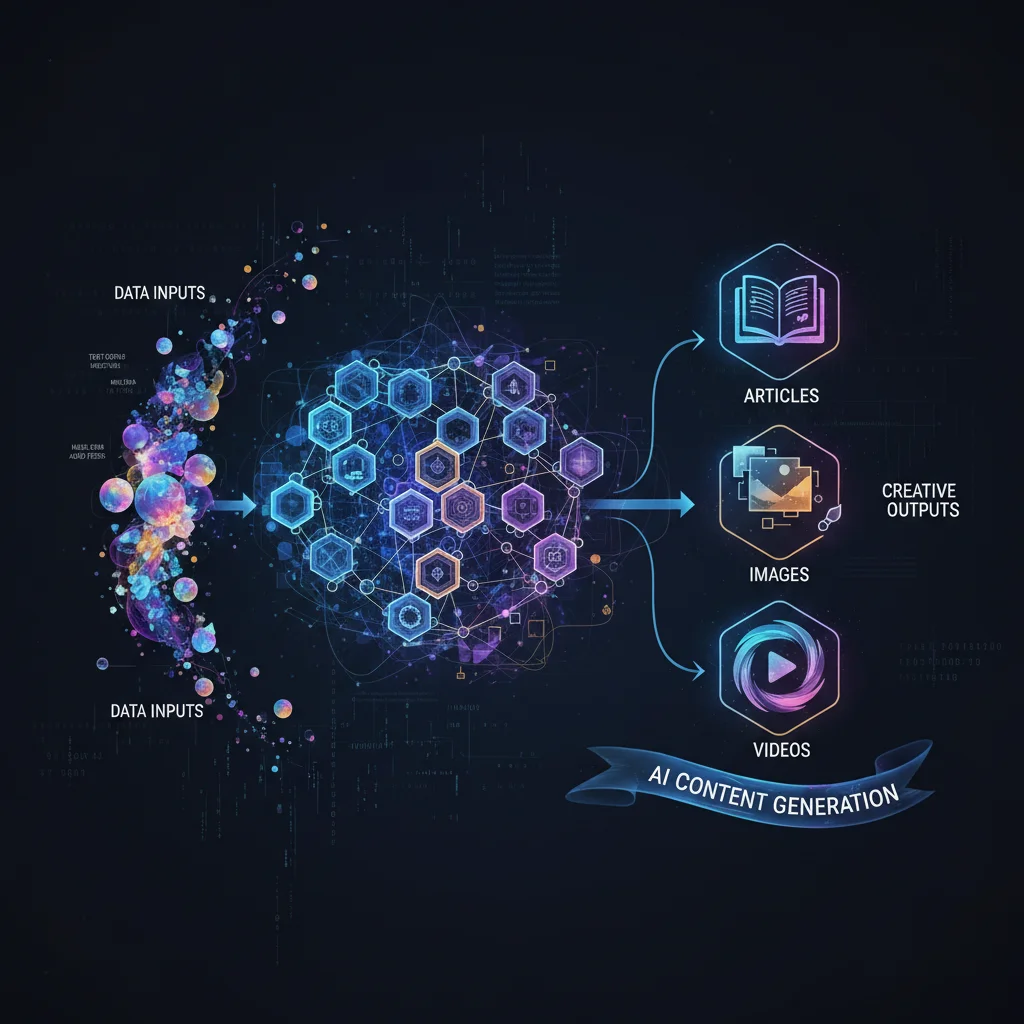
The journey of Generative AI from nascent research to a ubiquitous tool has been astonishingly rapid. In 2026, we anticipate a maturity in these technologies that will render many current challenges surmountable, while simultaneously introducing new ones. The core premise of Generative AI—the ability to produce novel content across various modalities, be it text, images, audio, or video, based on learned patterns—will have permeated nearly every sector of online activity. This isn’t merely about automation; it’s about augmentation, creation, and the democratization of sophisticated content production capabilities.
Anúncios
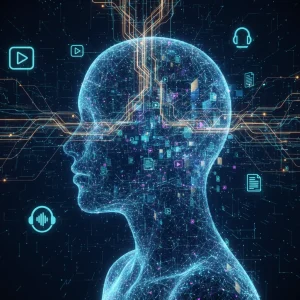
Understanding the trajectory of Generative AI in 2026 requires acknowledging its multifaceted nature. It encompasses large language models (LLMs) capable of generating coherent and contextually relevant text, advanced image synthesis models that can conjure photorealistic visuals from simple prompts, and sophisticated audio and video generation tools that can craft entire multimedia narratives. The convergence of these capabilities will unlock unprecedented levels of creative potential, but it will also necessitate a robust framework for managing its implications.
The Evolution of Generative AI: A 2026 Snapshot
By 2026, Generative AI will have moved beyond the experimental phase and become deeply integrated into commercial and consumer applications. We expect to see more specialized and highly efficient models, tailored for specific industries and creative tasks. These models will be characterized by increased accuracy, reduced computational overhead, and enhanced user-friendliness, making them accessible to a broader audience beyond professional developers and data scientists.
One significant evolution will be in the realm of multimodal Generative AI. While current models often specialize in one modality (e.g., text-to-image), 2026 will likely see a proliferation of models capable of seamlessly integrating and generating across multiple modalities simultaneously. Imagine an AI that can take a textual script, generate corresponding video footage, compose a suitable musical score, and even synthesize realistic voiceovers, all with minimal human intervention. This level of integration will transform content pipelines, particularly in media, entertainment, and advertising.
Furthermore, the ethical considerations surrounding data privacy, bias in training data, and intellectual property will have spurred significant advancements in explainable AI (XAI) and controllable generation. Users and regulators will demand greater transparency into how AI models make decisions and generate content. This will lead to the development of tools and techniques that allow for more precise control over AI outputs, mitigating unintended biases and ensuring adherence to ethical guidelines. The focus will shift from simply generating content to generating *responsible* content.
Anúncios
The computational power required for training and deploying these advanced models will continue to be a driving factor. However, by 2026, we anticipate more efficient algorithms and specialized hardware (e.g., AI accelerators) that will make sophisticated Generative AI more economically viable for small and medium-sized enterprises, not just tech giants. This democratization of access will further amplify its impact across the US economy.
Generative AI’s Impact on Online Content Generation
The implications of Generative AI for online content creation in the US are vast and transformative. By 2026, nearly every form of digital content will be touched by AI, from blog posts and news articles to marketing campaigns, multimedia experiences, and virtual environments.
Textual Content: The Rise of AI-Powered Storytelling and Information Dissemination
For textual content, Generative AI will revolutionize efficiency and scale. Content marketers will leverage AI to rapidly generate drafts of articles, social media posts, email newsletters, and ad copy, significantly reducing the time and effort traditionally required. Journalists might use AI for initial news summaries, data analysis, and even generating localized versions of stories. The quality and coherence of AI-generated text will have reached a point where distinguishing it from human-written content becomes increasingly challenging, necessitating new detection methods and disclosure standards.
Beyond efficiency, AI will empower new forms of storytelling. Interactive narratives, personalized content experiences, and dynamic educational materials will become more commonplace. Imagine an e-learning platform where AI customizes lessons and explanations based on an individual student’s learning style and progress, generating unique textual content on the fly. This level of personalization will redefine engagement.
Visual Content: From Imagination to Instantiation
The realm of visual content — images, illustrations, and digital art — will be profoundly reshaped. Graphic designers will use Generative AI as a powerful co-creator, rapidly iterating on concepts, generating variations, and producing high-quality assets in mere seconds. Stock photography and illustration industries will face significant disruption, as custom, AI-generated visuals become more accessible and affordable. Architects and interior designers might utilize AI to visualize concepts and create realistic renderings of spaces with unprecedented speed and detail.
The entertainment industry will also benefit immensely. AI will assist in concept art generation for films and video games, create digital characters and environments, and even generate entire animated sequences. This will accelerate production cycles and open up new creative avenues that were previously constrained by time and budget.
Audio and Video Content: The New Frontier of Multimedia Production
By 2026, Generative AI’s capabilities in audio and video production will be remarkably sophisticated. Voice synthesis will produce highly realistic, emotionally nuanced speech in multiple languages, making dubbing and voiceovers far more efficient. Music generation AI will be able to compose bespoke soundtracks for videos, podcasts, and games, tailored to specific moods and themes. This will democratize access to high-quality audio content for independent creators and small businesses.
Video generation will witness exponential growth. While generating entire feature films might still be a distant prospect, AI will be capable of producing short-form videos, advertisements, and social media clips from textual prompts or basic outlines. This will empower marketers, educators, and content creators to produce engaging video content without extensive technical expertise or expensive equipment. The challenges of deepfakes and manipulated media will, however, intensify alongside these advancements.
Digital Ethics in the Age of Generative AI: A 2026 Imperative
As Generative AI becomes more pervasive, the discussion around digital ethics will intensify and become an imperative, not just a philosophical debate. In the US, by 2026, we anticipate a more formalized approach to regulating and managing the ethical implications of these technologies.
Authorship, Ownership, and Intellectual Property
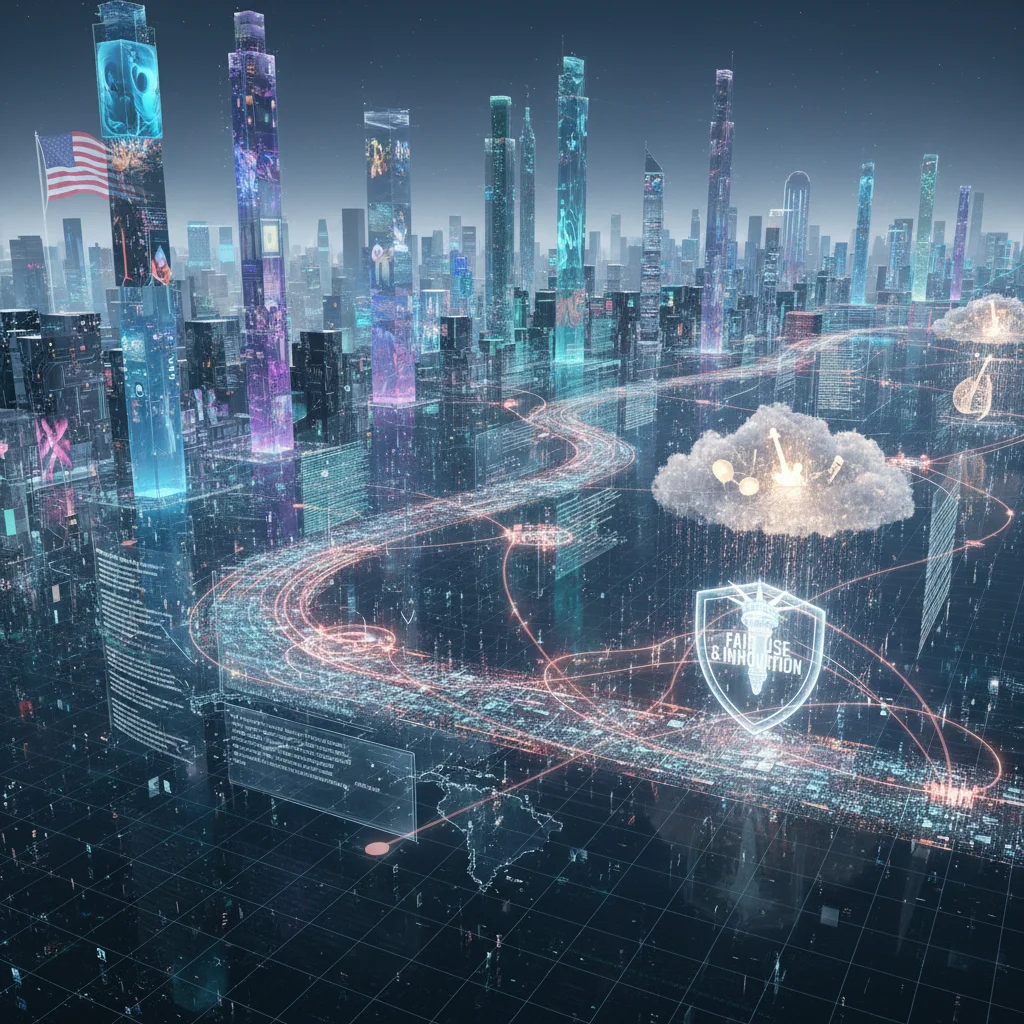
One of the most pressing ethical concerns revolves around authorship and intellectual property. When an AI generates content, who owns it? Is it the developer of the AI, the user who prompts it, or is the concept of ownership itself challenged? By 2026, legal frameworks will likely be evolving to address these ambiguities. We might see new forms of copyright or licensing specifically for AI-generated works, potentially differentiating between content where AI is a tool versus content where AI is the primary creator. The US Copyright Office and other regulatory bodies will be actively engaged in shaping these policies.
Bias and Fairness
Generative AI models learn from vast datasets, and if these datasets contain biases (e.g., racial, gender, cultural), the AI will inevitably perpetuate and even amplify those biases in its outputs. By 2026, there will be increased pressure on developers to create more diverse and representative training datasets and to implement robust bias detection and mitigation techniques. Regulatory bodies might mandate regular audits for bias in AI systems, particularly those used in sensitive areas like news generation or educational content. The ethical imperative for fairness will drive significant research and development in this area.
Transparency and Disclosure
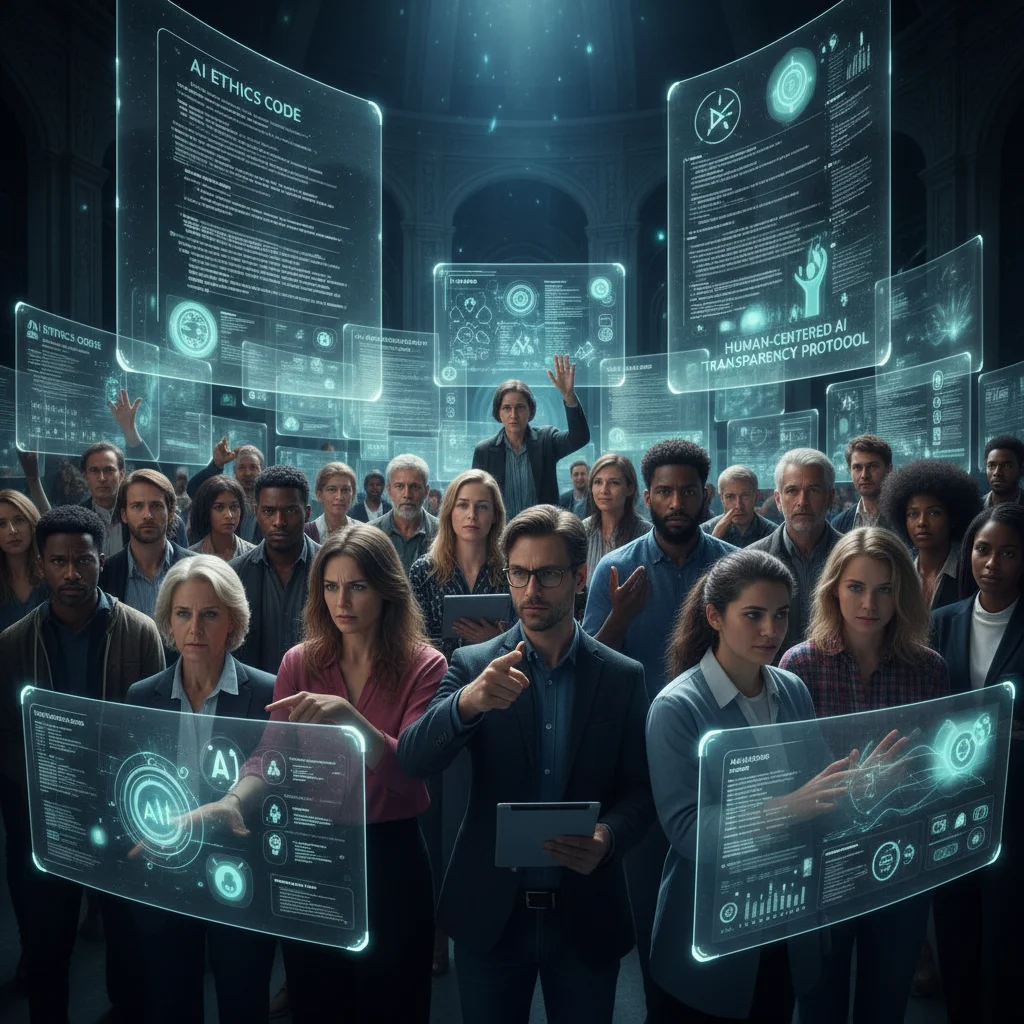
The ability of Generative AI to produce highly realistic content raises serious questions about authenticity and trust. Distinguishing between human-created and AI-generated content will become increasingly difficult. By 2026, we can expect a stronger push for transparency and disclosure. This could manifest as mandatory watermarking for AI-generated images and videos, metadata indicating AI origin for text, or clear disclaimers on platforms utilizing Generative AI. The goal will be to empower consumers to make informed decisions about the content they engage with and to combat the spread of misinformation and deepfakes.
Deepfakes and Misinformation
The malicious use of Generative AI to create deepfakes and propagate misinformation poses a significant threat to democratic processes, public trust, and individual reputations. By 2026, the sophistication of deepfake technology will be alarming. In response, governments, tech companies, and civil society organizations in the US will be collaborating on advanced detection technologies and legal deterrents. Public education campaigns will also be crucial to raise awareness about manipulated media and foster critical thinking skills among online users. The ethical responsibility of AI developers to prevent misuse of their creations will be paramount.
Job Displacement and the Future of Work
While Generative AI promises to augment human capabilities, it also raises concerns about job displacement in creative industries. By 2026, roles focused purely on repetitive content creation might see significant automation. However, new roles centered around AI prompt engineering, AI content curation, ethical AI oversight, and human-AI collaboration will emerge. The ethical challenge will be to manage this transition responsibly, investing in reskilling and upskilling programs to ensure the workforce can adapt to the evolving demands of the digital economy.
Regulatory Landscape and Policy in the US by 2026
The US regulatory landscape concerning Generative AI will likely be more defined by 2026. While a comprehensive federal AI law might still be in progress, we can expect a patchwork of regulations emerging from various agencies and state governments. The focus will likely be on specific applications of AI rather than a blanket regulation of the technology itself.
Areas such as copyright law, consumer protection, and data privacy will see specific amendments or interpretations to address Generative AI. For instance, the Federal Trade Commission (FTC) might issue guidelines on deceptive AI-generated content, while intellectual property offices grapple with AI ownership. There will also be a stronger emphasis on industry self-regulation, with tech companies developing their own ethical guidelines and best practices, often in response to public pressure and the threat of government intervention.
International collaboration will also play a crucial role. Given the global nature of AI development and content dissemination, the US will likely engage with international partners to establish common standards and approaches to regulating Generative AI, particularly concerning issues like deepfakes and cross-border misinformation.
Opportunities and Innovations Driven by Generative AI in 2026
Despite the ethical complexities, Generative AI presents immense opportunities for innovation and societal benefit in the US by 2026.
Enhanced Creativity and Personalization
Generative AI will empower individuals and businesses to unleash unprecedented levels of creativity. Artists can explore new mediums, writers can overcome creative blocks, and musicians can experiment with novel compositions. The ability to personalize content at scale will redefine customer experiences, making products and services more relevant and engaging for individual users across various platforms.
Democratization of Content Creation
Sophisticated content creation tools, once the exclusive domain of large studios and agencies, will become accessible to independent creators, small businesses, and even hobbyists. This democratization will foster a more diverse and vibrant online content ecosystem, allowing a wider range of voices and perspectives to be heard. Educational content, for example, can be tailored and generated for specific learning needs, making education more inclusive.
Accelerated Research and Development
Generative AI is not just about creating art or text; it’s also a powerful tool for scientific discovery and innovation. By 2026, AI will be used to generate novel molecular structures for drug discovery, design new materials with specific properties, and even simulate complex biological processes. This will accelerate research and development across numerous scientific fields, leading to breakthroughs that benefit society.
Accessibility and Inclusivity
Generative AI can significantly enhance accessibility. For example, AI can automatically generate alternative text for images, create audio descriptions for videos, and even translate content into various languages and formats, making digital information more accessible to people with disabilities. This promotes a more inclusive online environment.
The Human Element: Adapting to an AI-Augmented Future
Ultimately, the future of online creation with Generative AI in 2026 will still heavily rely on the human element. While AI can generate content, it is human creativity, critical thinking, ethical judgment, and emotional intelligence that will guide its application and ensure its responsible use. The skills required in the workforce will shift towards prompt engineering, AI oversight, ethical reasoning, and interdisciplinary collaboration.
Education systems will need to adapt to prepare the next generation for an AI-augmented world, focusing on skills that complement AI rather than compete with it. Understanding how to effectively leverage Generative AI as a tool, while maintaining a strong ethical compass, will be paramount.
Conclusion: Navigating the Generative AI Frontier in 2026
By 2026, Generative AI will be an undeniable force, irrevocably altering the landscape of online creation and digital ethics in the US. Its capabilities will continue to expand, offering unprecedented opportunities for innovation, efficiency, and personalization across all forms of content. However, this transformative power comes with profound responsibilities.
The ethical challenges surrounding authorship, bias, transparency, and misinformation will demand proactive solutions from technologists, policymakers, and society at large. The ongoing dialogue between innovation and regulation will be crucial in shaping a future where Generative AI serves humanity’s best interests. As we move towards 2026, embracing this technology with a clear understanding of its potential and pitfalls, and a steadfast commitment to ethical development and deployment, will be key to harnessing its full, positive impact on our digital world.
The journey with Generative AI is not merely about technological advancement; it’s about defining the future of human creativity, communication, and societal values in an increasingly intelligent digital age. The year 2026 will mark a significant milestone in this ongoing evolution, setting the stage for even more profound changes to come.