Passwordless Authentication: The Future of Cybersecurity by 2026

Anúncios
Passwordless Authentication: A 2026 Trend That Could Reduce Cyberattacks by 25%
In an increasingly digital world, the traditional password has become a glaring vulnerability. From phishing scams to brute-force attacks, passwords are often the weakest link in an organization’s cybersecurity defenses. However, a revolutionary shift is on the horizon: passwordless authentication future. By 2026, experts predict that widespread adoption of passwordless technologies could lead to a significant reduction in cyberattacks, potentially by as much as 25%. This isn’t just a technological upgrade; it’s a fundamental reimagining of how we verify identity, promising both enhanced security and a vastly improved user experience. The era of remembering complex strings of characters, frequently changing them, and often falling victim to credential-stuffing attacks is slowly but surely coming to an end. The move towards a passwordless future is not merely a convenience; it’s a critical evolution in our fight against an ever-more sophisticated landscape of cyber threats.
Anúncios
The Problem with Passwords: A Historical Perspective
To truly appreciate the potential of passwordless authentication future, we must first understand the inherent flaws of its predecessor. Passwords, in various forms, have been with us since the dawn of computing. While they served their purpose in simpler times, their limitations have become painfully obvious in the modern, interconnected world. Users are constantly bombarded with requests to create ‘strong’ passwords – a mix of uppercase and lowercase letters, numbers, and symbols – which are often difficult to remember and even harder to manage across multiple accounts. This leads to common, yet dangerous, user behaviors such as reusing passwords, writing them down, or choosing easily guessable combinations. These practices create a fertile ground for cybercriminals.
The statistics are stark. According to Verizon’s Data Breach Investigations Report, stolen credentials continue to be a primary vector for breaches. Phishing attacks, which often aim to trick users into revealing their passwords, remain rampant and highly effective. The human element, while often the weakest link, is exacerbated by the reliance on a system that is inherently prone to human error and exploitation. Furthermore, the administrative overhead associated with password resets and account lockouts costs businesses billions annually, not to mention the frustration it causes users. The current system is not only insecure but also inefficient and user-unfriendly. The promise of the passwordless authentication future is to address these multifaceted issues head-on, offering a more robust and streamlined approach to digital identity verification.
What is Passwordless Authentication?
At its core, passwordless authentication eliminates the need for users to type in a traditional password to gain access to systems, applications, or data. Instead, it relies on alternative methods of verifying identity that are often more secure and user-friendly. These methods typically leverage something you are (biometrics), something you have (a device or security key), or something you know (a PIN or pattern, but not a shared secret like a password). The goal is to create a seamless and secure login experience that removes the vulnerabilities associated with static, reusable passwords.
Anúncios
The concept isn’t entirely new; technologies like multi-factor authentication (MFA) have laid some of the groundwork. However, passwordless goes a step further by removing the password component entirely, rather than just adding layers on top of it. This distinction is crucial because it eliminates the weakest link from the start. As we move towards a passwordless authentication future, we’re seeing an acceleration in the development and adoption of various technologies that make this vision a reality. Understanding these underlying technologies is key to grasping the transformative potential of passwordless systems in bolstering cybersecurity and simplifying user interactions across the digital landscape.
Key Technologies Driving the Passwordless Revolution
Several innovative technologies are converging to make the passwordless authentication future a tangible reality. These technologies offer different approaches to identity verification, often complementing each other to create robust and flexible solutions.
Biometrics: The Ultimate ‘Something You Are’
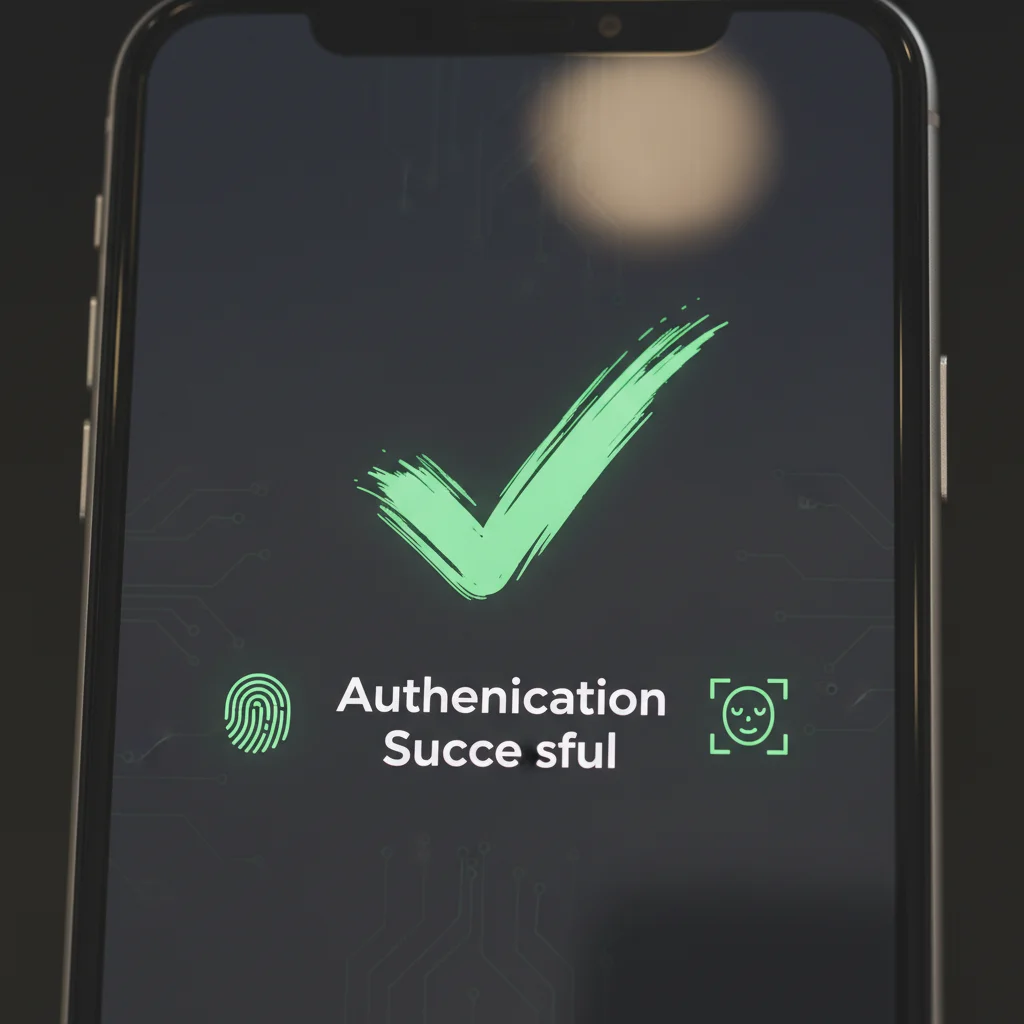
Biometric authentication uses unique physical or behavioral characteristics to verify identity. This includes:
- Fingerprint Recognition: Widely adopted in smartphones and laptops, it’s fast and convenient.
- Facial Recognition: Also common in mobile devices, it offers a quick and intuitive login.
- Iris/Retina Scans: Highly accurate, often used in high-security environments.
- Voice Recognition: While still evolving, it offers hands-free authentication.
- Behavioral Biometrics: Analyzes typing patterns, mouse movements, or gait to continuously verify identity in the background.
Biometrics offer a high level of security because these characteristics are extremely difficult to replicate or steal. They also provide an unparalleled user experience, as logging in becomes as simple as looking at your device or touching a sensor. The continuous advancements in biometric sensors and algorithms are making these methods more reliable and accessible than ever before, paving the way for their central role in the passwordless authentication future.
Hardware Security Keys (FIDO2/WebAuthn): The ‘Something You Have’
Hardware security keys, often small USB devices, provide a robust form of authentication. The FIDO2 standard, built on the WebAuthn API, is a cornerstone of this approach. When a user attempts to log in, the website or application sends a challenge to the security key, which then cryptographically signs it. This process verifies both the user’s identity and the legitimacy of the login attempt without ever transmitting a password. These keys are phishing-resistant and virtually immune to credential theft, as they don’t share secrets over the network.
FIDO2 (Fast IDentity Online) and WebAuthn are open standards designed to enable strong, phishing-resistant authentication across a wide range of devices and platforms. They represent a significant leap forward in making the passwordless authentication future a universal standard. Major tech companies like Google, Microsoft, and Apple are actively supporting these standards, integrating them into their operating systems and browsers, which is accelerating their adoption among both consumers and enterprises.
Magic Links and One-Time Passcodes (OTPs)
While not strictly passwordless in the same way biometrics or security keys are, magic links and OTPs (sent via SMS or email) serve as transitional or supplementary passwordless methods. A magic link allows a user to log in by clicking a unique, time-sensitive link sent to their registered email address. OTPs provide a single-use code that must be entered within a short timeframe. These methods eliminate the need to remember a static password, but they can be susceptible to phishing if not implemented carefully. They are often used as a convenient fallback or as a way to onboard users into a fully passwordless system.
Device-Based Authentication
This approach leverages the inherent security of a user’s trusted device (smartphone, laptop, etc.) for authentication. The device itself becomes the primary authenticator. For example, a user might initiate a login on their computer and then approve the request via a notification on their smartphone, often secured by biometrics on the phone. This method combines the ‘something you have’ (the device) with ‘something you are’ (the biometric on the device) or ‘something you know’ (the device’s PIN), creating a powerful and convenient login flow that aligns perfectly with the vision of a passwordless authentication future.
The Benefits of a Passwordless Authentication Future
The widespread adoption of passwordless authentication promises a multitude of benefits for both users and organizations, fundamentally reshaping the cybersecurity landscape.
Enhanced Security: Reducing Cyberattacks by 25%
The most compelling benefit is the significant boost in security. By eliminating passwords, organizations remove the primary target for many common cyberattack vectors:
- Phishing Resistance: Passwordless methods like FIDO2/WebAuthn are designed to be phishing-resistant. Even if a user is tricked into clicking a malicious link, the authentication process cannot be completed without the physical security key or biometric confirmation on the correct site.
- No Credential Stuffing: Since there are no passwords to steal, attackers cannot use lists of breached credentials to gain access to other accounts.
- Brute-Force Attack Immunity: Brute-force attacks, which try countless password combinations, become obsolete.
- Reduced Insider Threats: While not a complete solution, passwordless systems can make it harder for rogue employees or stolen credentials to be used without detection, especially with continuous authentication methods.
The prediction of a 25% reduction in cyberattacks by 2026 is based on the idea that a significant portion of current breaches exploit password vulnerabilities. By removing this weak link, the attack surface shrinks dramatically, making it much harder for cybercriminals to succeed. This shift will force attackers to develop new, more complex methods, raising the bar for successful breaches and giving defenders a crucial advantage. This is the core promise of the passwordless authentication future.
Improved User Experience and Productivity
Beyond security, passwordless authentication offers a vastly superior user experience. Users no longer have to:
- Remember complex passwords for dozens of different services.
- Endure frustrating password reset processes.
- Deal with account lockouts due to forgotten or mistyped passwords.
Instead, logging in becomes quick, intuitive, and seamless – a simple touch, glance, or tap. This reduction in friction not only makes users happier but also significantly improves productivity. Employees spend less time dealing with login issues and more time focusing on their core tasks. For consumers, it means less frustration and a more enjoyable digital experience, fostering greater trust in online services. The ease of use is a critical factor driving the rapid adoption of the passwordless authentication future.
Reduced IT Help Desk Costs
For organizations, the financial benefits are substantial. A significant portion of IT help desk tickets are related to password resets and account recovery. By eliminating passwords, companies can drastically reduce these support requests, freeing up IT staff to focus on more strategic initiatives. This translates directly into cost savings and a more efficient IT operation. The ROI for implementing passwordless solutions can be considerable when factoring in both security improvements and operational efficiencies. This economic argument further strengthens the case for the passwordless authentication future.
Challenges and Considerations for Adoption
While the benefits are clear, the transition to a passwordless authentication future is not without its challenges. Organizations and individuals must navigate several considerations to ensure a smooth and secure adoption process.
Interoperability and Standardization
For passwordless authentication to truly become ubiquitous, a high degree of interoperability and standardization is required across different platforms, devices, and applications. Initiatives like FIDO2 are making great strides in this area, but fragmentation can still be an issue. Ensuring that a user’s chosen authentication method works seamlessly everywhere they need it to is crucial for widespread adoption. This requires ongoing collaboration between technology providers, industry bodies, and developers.
User Education and Trust
Users are accustomed to passwords, even with their frustrations. Educating them about the benefits and security of passwordless methods is essential. Building trust in new technologies, especially those involving biometrics, requires clear communication about data privacy and how their unique identifiers are protected. Addressing concerns about data storage and potential misuse of biometric data will be key to winning over the general public and accelerating the passwordless authentication future.
Device Management and Recovery
What happens if a user loses their device, or if their biometric sensor malfunctions? Robust device management and account recovery mechanisms are critical. This might involve backup authentication methods, trusted recovery contacts, or secure processes for re-establishing access. These recovery flows must be secure enough to prevent unauthorized access but user-friendly enough to avoid frustration. A well-designed recovery strategy is paramount to the success of any passwordless implementation.
Legacy System Integration
Many organizations operate with a mix of modern and legacy systems. Integrating passwordless authentication with older applications that were built around traditional password-based logins can be complex and costly. A phased approach, starting with critical new systems and gradually extending to older ones, may be necessary. This integration challenge is one of the primary hurdles for large enterprises looking to fully embrace the passwordless authentication future.
The Role of Zero Trust in a Passwordless World
The concept of Zero Trust security aligns perfectly with the passwordless authentication future. Zero Trust operates on the principle of ‘never trust, always verify.’ Instead of granting implicit trust to users or devices within a network perimeter, every access request is rigorously authenticated and authorized.
Passwordless authentication strengthens Zero Trust architectures by:
- Stronger Initial Verification: By removing the weak link of passwords, the initial verification of a user’s identity becomes inherently more robust.
- Continuous Authentication: Advanced passwordless systems, especially those leveraging behavioral biometrics, can provide continuous verification, ensuring that the legitimate user remains in control throughout a session.
- Contextual Access: Passwordless methods often provide richer contextual information (device, location, time) that can be used by Zero Trust policies to grant or deny access based on risk factors, not just identity.
Together, passwordless authentication and Zero Trust create a formidable defense against cyber threats. As organizations move towards a Zero Trust model, the adoption of passwordless technologies becomes a natural and necessary evolution, providing the strong identity foundation required for effective ‘never trust, always verify’ policies. This synergy is a powerful driver for the passwordless authentication future.
Looking Ahead: The Road to 2026 and Beyond
The prediction of a 25% reduction in cyberattacks by 2026 due to widespread passwordless adoption is ambitious but achievable. Several factors will contribute to this accelerated transition:
Vendor Support and Innovation
Major technology vendors are heavily investing in passwordless solutions, integrating them into their operating systems, browsers, and enterprise identity platforms. This widespread support makes it easier for developers to implement and for users to adopt. Continuous innovation in biometrics, hardware security, and authentication protocols will further refine and secure these methods.
Regulatory Pressure and Compliance
Increasing regulatory scrutiny around data privacy and security (e.g., GDPR, CCPA) is pushing organizations to adopt stronger authentication mechanisms. Passwordless solutions often provide a more robust and auditable security posture, helping companies meet compliance requirements and avoid hefty fines associated with data breaches. The drive for compliance will be a significant catalyst for the passwordless authentication future.
Shifting User Expectations
As users become more accustomed to biometric logins on their personal devices, their expectations for a seamless and secure experience will extend to enterprise and web applications. The convenience factor will drive demand, pushing service providers to offer passwordless options to remain competitive and satisfy their user base.

The Evolution of Identity Management
Identity management systems are evolving to support a more flexible and adaptive approach to authentication. Centralized identity providers are increasingly offering passwordless options, simplifying deployment and management for businesses. This evolution is crucial for scaling passwordless solutions across diverse IT environments and solidifying the passwordless authentication future.
Preparing for the Passwordless Authentication Future
Organizations that wish to stay ahead of the curve and significantly enhance their cybersecurity posture should begin preparing for the passwordless authentication future now. This involves several key steps:
- Assess Current Authentication Landscape: Understand where passwords are currently used, their vulnerabilities, and the potential impact of a transition.
- Pilot Passwordless Solutions: Start with small, non-critical groups or applications to test different passwordless technologies and gather user feedback.
- Invest in FIDO2/WebAuthn: Prioritize solutions that adhere to open standards for maximum interoperability and future-proofing.
- Educate Users and Stakeholders: Begin communicating the benefits and changes to employees and customers early to ensure a smooth transition and build trust.
- Develop Robust Recovery Procedures: Plan for scenarios where users lose or damage their authentication devices, ensuring secure and user-friendly recovery options.
- Integrate with Identity and Access Management (IAM): Ensure passwordless solutions integrate seamlessly with existing IAM infrastructure to maintain centralized control and visibility.
- Embrace a Zero Trust Mindset: View passwordless authentication as a foundational component of a broader Zero Trust security strategy.
By taking these proactive steps, businesses can not only reduce their risk of cyberattacks but also improve efficiency and enhance the overall experience for their users. The move away from passwords is not just a technological trend; it’s a strategic imperative for digital security in the coming years. The passwordless authentication future is not a distant dream, but a rapidly approaching reality that promises to make our digital lives safer and simpler.
Conclusion: A Safer, Simpler Digital World
The journey towards a passwordless authentication future is well underway, driven by the urgent need to combat escalating cyber threats and the desire for a more streamlined user experience. By 2026, the widespread adoption of biometrics, hardware security keys, and device-based authentication is expected to significantly diminish the effectiveness of traditional password-based attacks, potentially reducing overall cyberattacks by a quarter. This transformation will not only fortify our digital defenses but also liberate users from the burden of password management, fostering a more secure and productive online environment.
While challenges remain in terms of interoperability, user education, and legacy system integration, the concerted efforts of technology leaders, regulatory bodies, and security experts are paving the way for a seamless transition. The synergy between passwordless authentication and Zero Trust security principles further strengthens this vision, creating a resilient framework for digital identity in the 21st century. The future of cybersecurity is passwordless, and it promises a safer, simpler, and more efficient digital world for everyone.