AI in Recruitment: Your Guide to US Job Hunting Success in 6 Months

Anúncios
The landscape of job hunting in the United States is undergoing a seismic shift, largely driven by the pervasive integration of Artificial Intelligence (AI) into recruitment processes. For US job seekers, understanding and adapting to these changes isn’t just an advantage; it’s a necessity. This comprehensive guide will equip you with the knowledge and strategies to navigate the AI-driven recruitment world and significantly boost your chances of landing a role within the next six months. We’ll delve into how AI is being used, what recruiters are looking for, and how you can optimize every step of your application process to stand out in a crowded market.
Anúncios
The Rise of AI in Recruitment: What US Job Seekers Need to Know
Artificial Intelligence is no longer a futuristic concept; it’s a present-day reality profoundly impacting how companies in the US identify, screen, and hire talent. From initial application to final interview, AI tools are streamlining processes, reducing bias (ideally), and helping recruiters find the best fit faster. But what does this mean for you, the job seeker?
Firstly, it means your applications are likely being reviewed by algorithms before they ever reach human eyes. Applicant Tracking Systems (ATS) powered by AI are the gatekeepers, sifting through hundreds, if not thousands, of resumes to identify candidates who meet specific criteria. Secondly, AI is increasingly being used in video interviews, skills assessments, and even personality evaluations. Understanding how these systems work and how to optimize your interactions with them is paramount to your success in the modern US job market.
The goal of this article is not to instill fear, but to empower you. By demystifying the role of AI recruitment US companies employ, we aim to provide a clear roadmap for you to strategically position yourself for employment. Let’s explore the key areas where AI is making an impact and how you can turn these technological advancements to your advantage.
Anúncios
Understanding AI-Powered Applicant Tracking Systems (ATS)
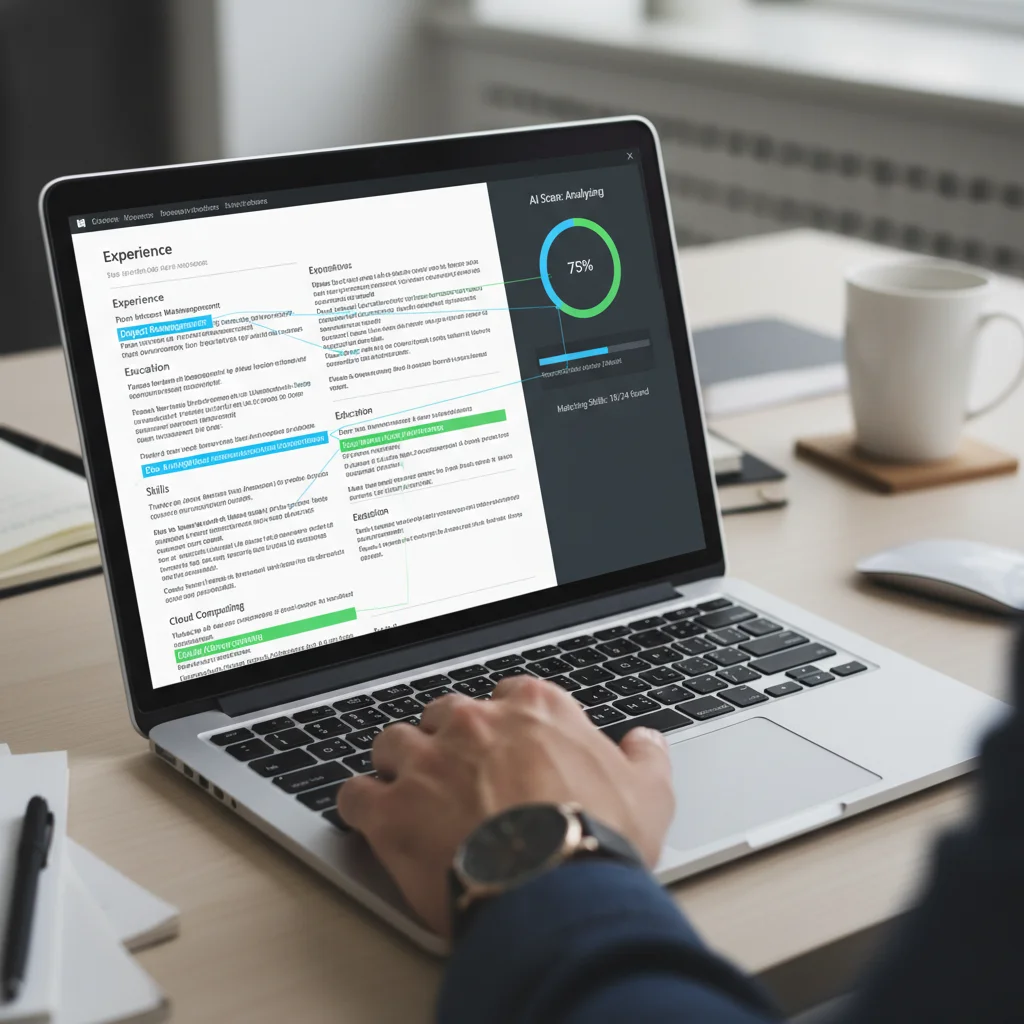
The vast majority of large and mid-sized companies in the US utilize ATS to manage their hiring process. These systems are designed to automate and streamline the initial stages of recruitment, primarily by scanning resumes and cover letters for keywords, phrases, and formatting. If your application doesn’t pass the ATS scan, it’s highly unlikely a human recruiter will ever see it.
Keyword Optimization: Your First Line of Defense
The most critical aspect of navigating ATS is keyword optimization. Job descriptions are goldmines for identifying the keywords an ATS is programmed to find. These aren’t just job titles; they include specific skills, technologies, certifications, and even soft skills mentioned repeatedly. Your resume and cover letter must mirror the language used in the job posting as closely as possible.
- Analyze Job Descriptions: Read the job description thoroughly. Identify key phrases, technical terms, and required qualifications. Copy and paste the job description into a word cloud generator or a keyword analysis tool to pinpoint the most frequently used terms.
- Incorporate Keywords Naturally: Don’t just stuff keywords. Integrate them seamlessly into your experience descriptions, skills section, and summary/objective statement. For example, instead of saying ‘managed projects,’ if the job description uses ‘led cross-functional project teams utilizing Agile methodologies,’ use that specific phrasing if it accurately reflects your experience.
- Use Synonyms Wisely: While direct matches are best, ATS can sometimes recognize common synonyms. However, err on the side of using the exact phrasing from the job description when possible.
- Tailor Each Application: This is non-negotiable. A generic resume sent to multiple openings is a sure way to be filtered out by ATS. Each application must be customized to the specific job posting.
Formatting for ATS Compatibility
Beyond keywords, the format of your resume is crucial. ATS systems are not designed to appreciate elaborate graphics, complex tables, or unusual fonts. Simplicity and clarity are key.
- Standard Fonts: Stick to common, readable fonts like Arial, Calibri, Helvetica, or Times New Roman.
- Clean Layout: Use a clear, chronological, or combination format. Avoid intricate designs, excessive bolding, or decorative elements.
- Standard Headings: Use conventional headings like ‘Experience,’ ‘Education,’ ‘Skills,’ and ‘Summary.’
- PDF vs. Word: While PDFs are generally preferred for maintaining formatting, some older ATS might struggle with them. If the job posting specifies a file type, adhere to it. Otherwise, a clean PDF is usually safe.
- Avoid Graphics and Images: Unless you are in a highly visual field (e.g., graphic design) and the job description explicitly asks for a portfolio, keep images and graphics off your resume. ATS cannot read them.
Mastering the ATS is the first hurdle in the AI recruitment US process. By optimizing your content and format, you significantly increase the likelihood of your application reaching a human recruiter.
Acing AI-Powered Interviews and Assessments
Once your resume passes the initial ATS scan, you might encounter AI in the next stages of the recruitment process. This often takes the form of AI-powered video interviews or online skills assessments.
AI Video Interviews: What to Expect and How to Prepare
Many US companies are now using AI to analyze video interviews. These systems evaluate various factors beyond your spoken words, including:
- Verbal Cues: Your vocabulary, tone of voice, speech pace, and clarity.
- Non-Verbal Cues: Facial expressions, eye contact, body language, and gestures.
- Emotional Intelligence: The system may try to infer emotions based on your expressions and voice.
Here’s how to excel in an AI-powered video interview:
- Practice, Practice, Practice: Many platforms offer practice questions. Take advantage of them to get comfortable with the format and observe your own performance. Record yourself and critically review your responses.
- Maintain Eye Contact: Look directly into your camera as if you’re speaking to a person. This conveys confidence and engagement.
- Clear and Concise Communication: Speak clearly and at a moderate pace. Avoid jargon unless it’s directly relevant to the role and commonly understood. Structure your answers using the STAR method (Situation, Task, Action, Result) for behavioral questions.
- Positive Body Language: Sit upright, smile naturally, and use appropriate hand gestures. Avoid fidgeting or looking away frequently.
- Professional Environment: Ensure you have a clean, quiet, and well-lit background. Test your microphone and camera beforehand. Dress professionally, just as you would for an in-person interview.
- Anticipate Questions: Research common interview questions for your industry and role. While AI systems are sophisticated, they often rely on pre-programmed questions designed to elicit specific types of responses.
Online Skills Assessments and Gamification
AI is also used to power online skills assessments, ranging from coding challenges to cognitive ability tests and even gamified assessments that evaluate problem-solving, critical thinking, and personality traits. These assessments are designed to objectively measure your capabilities.
- Understand the Assessment Type: Before starting, read all instructions carefully. Is it a coding test, a situational judgment test, a personality questionnaire, or a cognitive assessment?
- Practice Similar Tests: Many platforms offer free practice tests for common assessment types. Familiarizing yourself with the format and question types can significantly improve your performance.
- Manage Your Time: Most assessments are timed. Practice time management to ensure you can complete all sections.
- Be Authentic (for personality tests): While it’s tempting to try and guess the ‘right’ answer, personality assessments are often designed to detect inconsistencies. Be honest and consistent in your responses.
- Technical Readiness: Ensure your internet connection is stable, and your computer meets any technical requirements for the assessment platform.
Excelling in these AI-driven stages is crucial for advancing in the AI recruitment US pipeline. Your preparation and performance here can make or break your candidacy.
Leveraging AI Tools for Your Job Search
The irony of AI in recruitment is that AI can also be your greatest ally in the job search. Several AI-powered tools are available to help job seekers optimize their resumes, prepare for interviews, and discover suitable roles.
AI Resume and Cover Letter Builders/Analyzers
These tools use AI to scan your resume against job descriptions, identifying missing keywords, formatting issues, and areas for improvement. They can provide instant feedback on how well your resume aligns with a specific role, offering suggestions to increase your ATS score.
- Grammarly/ProWritingAid: Essential for perfecting grammar, spelling, and style in all your written communications.
- Jobscan/Resume Worded: These platforms allow you to paste your resume and a job description to get an instant match score and detailed suggestions for keyword optimization.
- AI Writing Assistants (e.g., ChatGPT, Bard): Use these tools to brainstorm bullet points for your experience, rephrase sentences for impact, or even generate a first draft of a cover letter (which you must then heavily customize and personalize).
AI-Powered Job Search Platforms
Beyond traditional job boards, some platforms use AI to personalize job recommendations, analyze your profile, and suggest roles you might not have considered.
- LinkedIn: Its algorithm suggests jobs based on your profile, connections, and activity. Optimize your LinkedIn profile with relevant keywords, skills, and endorsements.
- Ideal.com/Talent.com: Some platforms are emerging that specifically leverage AI to match candidates with jobs more effectively, often going beyond simple keyword matching to analyze contextual fit.
Interview Preparation Tools
AI can also help you prepare for the interview stage, especially for those dreaded behavioral questions.
- Pramp/Big Interview: These platforms offer mock interviews with AI feedback on your speech patterns, facial expressions, and overall presentation.
- ChatGPT/Bard for Mock Interviews: You can use these AI chatbots to simulate interview questions and practice your responses. Ask them to act as an interviewer and provide feedback on your answers.
Embracing these AI tools can give you a significant edge in the competitive AI recruitment US landscape, transforming your job search from a daunting task into a strategic, data-driven endeavor.
Beyond AI: The Human Element and Networking
While AI is revolutionizing recruitment, it’s crucial to remember that a human being will ultimately make the hiring decision. AI is a tool to filter and identify, but human connection, rapport, and cultural fit remain paramount.
Networking in the Age of AI
Networking remains one of the most effective ways to find a job, even with AI in the picture. In fact, referrals often bypass the initial ATS screening, giving you a direct path to a human recruiter.
- Leverage LinkedIn: Connect with people in your target companies and industries. Engage with their content, ask thoughtful questions, and seek informational interviews.
- Attend Virtual and In-Person Events: Industry conferences, webinars, and job fairs are excellent opportunities to meet recruiters and hiring managers.
- Informational Interviews: Reach out to professionals in roles or companies you admire. Ask about their career path, company culture, and advice for breaking into the field. This can lead to valuable insights and potential referrals.
- Alumni Networks: Your college or university alumni network is a powerful resource for connections and job leads.
Showcasing Soft Skills and Emotional Intelligence
AI can assess some aspects of communication, but it struggles with the nuances of human interaction, empathy, and creativity. These ‘soft skills’ are what differentiate candidates and are often the deciding factor in hiring.
- Storytelling: During interviews (human or AI), tell compelling stories that demonstrate your soft skills. Use the STAR method to illustrate instances of teamwork, problem-solving, adaptability, and leadership.
- Personal Brand: Cultivate a strong personal brand online and offline. Your LinkedIn profile, professional website, and even your social media presence should consistently reflect your values, skills, and aspirations.
- Follow-Up: Always send personalized thank-you notes after interviews. This shows professionalism and reinforces your interest.
Don’t let the focus on AI overshadow the importance of human connection. A strategic approach combines AI optimization with robust networking and genuine human engagement.

The Six-Month Roadmap to Landing a US Role with AI in Mind
To help you structure your job search, here’s a six-month roadmap incorporating all the strategies we’ve discussed:
Month 1-2: Assessment and Optimization
- Self-Assessment: Clarify your career goals, identify target roles and industries, and assess your current skills gaps.
- Resume & Cover Letter Revamp: Optimize your resume and cover letter for ATS using keyword analysis tools. Create a master resume, then tailor it for each application.
- LinkedIn Profile Overhaul: Ensure your LinkedIn profile is complete, professional, keyword-rich, and showcases your achievements.
- Skill Development: Identify any skills (technical or soft) that are frequently mentioned in your target job descriptions and start acquiring or improving them through online courses, certifications, or projects.
- Research: Understand the companies you’re interested in, their culture, and their typical hiring processes, especially regarding AI recruitment US practices.
Month 3-4: Active Application and Networking
- Targeted Applications: Begin applying to 5-10 highly relevant jobs per week, ensuring each application is meticulously tailored.
- Practice AI Interviews: Utilize AI interview practice tools to hone your verbal and non-verbal communication skills.
- Networking Blitz: Actively connect with professionals on LinkedIn, attend virtual industry events, and seek informational interviews. Aim for 5-10 new meaningful connections per week.
- Portfolio/Project Work: If applicable, start or update a portfolio of your work or personal projects to demonstrate your skills beyond your resume.
Month 5-6: Interviewing, Follow-Up, and Refinement
- Intensify Interview Prep: As interviews start coming in, dedicate significant time to researching companies, practicing answers, and preparing thoughtful questions.
- Master Follow-Up: Send prompt, personalized thank-you notes after every interaction.
- Feedback Loop: If you’re not getting interviews or advancing past certain stages, seek feedback where possible. Analyze commonalities in rejections to refine your approach.
- Negotiation Skills: Prepare to negotiate salary and benefits once offers start coming in. Research industry standards for your role and experience level.
This structured approach, with a keen eye on AI’s role in recruitment, will significantly increase your efficiency and effectiveness as a US job seeker.
Addressing Bias and Ethical Concerns in AI Recruitment
It’s important to acknowledge that while AI aims to reduce human bias, it can inadvertently perpetuate or even amplify existing biases present in the data it’s trained on. This is a critical area of concern and ongoing development within the AI recruitment US landscape.
- Data Bias: If AI systems are trained on historical hiring data that reflects past biases (e.g., favoring male candidates for certain roles), the AI may learn and replicate those biases.
- Algorithmic Bias: The algorithms themselves can unintentionally create or reinforce biases if not carefully designed and tested.
- Mitigation Efforts: Many companies and AI developers are actively working to audit their AI systems for bias, diversify training data, and implement fairness metrics.
As a job seeker, while you can’t directly control the AI systems, understanding these potential biases can help you present your qualifications in the clearest, most objective way possible. Focus on quantifiable achievements and skills that directly match the job requirements, rather than relying on subjective interpretations.
The Future of Work and Continuous Learning
The rapid evolution of AI means that the skills in demand today might shift tomorrow. Continuous learning is no longer a luxury but a fundamental requirement for career longevity in the US.
- Stay Updated: Keep abreast of industry trends, new technologies, and how AI is continuing to transform your field.
- Upskill and Reskill: Regularly assess your skill set against market demands. Invest in learning new tools, software, and concepts that are becoming integral to your profession.
- Embrace Adaptability: The ability to learn new things quickly and adapt to changing work environments will be highly valued.
- Human-AI Collaboration: Many future roles will involve working alongside AI, not being replaced by it. Develop skills that complement AI, such as critical thinking, creativity, emotional intelligence, and complex problem-solving.
By committing to continuous learning, you not only make yourself more attractive to potential employers using AI recruitment US strategies but also future-proof your career in an increasingly automated world.
Conclusion: Navigating the AI-Driven Job Market with Confidence
The integration of AI into US recruitment processes marks a significant evolution in how talent is discovered and hired. For job seekers, this means a need for strategic adaptation, from optimizing resumes for ATS to mastering AI-powered interviews and leveraging AI tools for a more efficient search. However, it also presents an opportunity to streamline your efforts and focus on what truly matters.
By understanding the mechanics of AI recruitment US companies employ, you can transform your job search from a game of chance into a calculated strategy. Remember to tailor every application, practice diligently for AI assessments, leverage AI tools to your advantage, and never underestimate the power of human networking and demonstrating genuine soft skills. With this comprehensive guide and a proactive mindset, you are well-equipped to navigate the modern job market and secure your next role within the next six months. Your future career success in the US starts now, by embracing the AI revolution rather than being intimidated by it.