Top Smart Home Integrations 2026: Enhance Digital Living Today

Anúncios
The 3 Best Smart Home Integrations for Enhanced Digital Living in 2026: An Insider’s Guide
Welcome to the future of living! As we step into 2026, the concept of a ‘smart home’ has evolved far beyond simple voice commands and automated lighting. Today, it’s about seamless, intuitive, and truly integrated digital living. The true power lies not just in individual smart devices, but in how effectively they communicate and work together to create a harmonious ecosystem. This insider’s guide will delve deep into the Smart Home Integrations that are set to define enhanced digital living in the coming year, offering unparalleled convenience, efficiency, and security.
Anúncios
Understanding the landscape of Smart Home Integrations is crucial for anyone looking to upgrade their living space. It’s no longer a luxury but an expectation for modern homeowners seeking efficiency, comfort, and peace of mind. From energy management to advanced security, the right integration can transform a house into a truly intelligent home. We’ll explore the top three contenders that stand out for their innovation, reliability, and user-centric design, ensuring your home is not just smart, but brilliantly intelligent.
The market for smart home technology is booming, with new devices and platforms emerging constantly. However, the real challenge and opportunity lie in creating cohesive Smart Home Integrations. Imagine a home where your alarm clock triggers your coffee maker, opens your blinds, and adjusts your thermostat to your preferred morning temperature, all before you even step out of bed. This isn’t science fiction; it’s the reality that these top integrations are bringing to the forefront in 2026.
The Evolution of Smart Home Integrations: Beyond Basic Connectivity
For years, the promise of the smart home felt somewhat fragmented. You might have had a smart thermostat from one brand, smart lights from another, and a security system from yet another. While each device offered its own set of benefits, getting them to work together seamlessly often required complex workarounds or third-party apps. This era of siloed devices is rapidly becoming a relic of the past. The focus has shifted dramatically towards robust, open-standard Smart Home Integrations that prioritize interoperability and user experience.
Anúncios
The current generation of smart home technology emphasizes platforms that act as a central nervous system for your entire home. These platforms are designed to speak a universal language, allowing devices from different manufacturers to communicate and cooperate effortlessly. This not only simplifies setup and management but also unlocks a new level of automation and personalized control. The goal is to move beyond simple ‘on/off’ commands to predictive intelligence, where your home anticipates your needs and adjusts accordingly.
Key drivers behind this evolution include advancements in AI and machine learning, which allow smart home systems to learn your habits and preferences over time. Furthermore, the increasing adoption of standardized communication protocols like Matter and Thread is paving the way for truly universal compatibility. These technological leaps are fundamental to the success of the Smart Home Integrations we’ll be discussing, making them more powerful and accessible than ever before.
1. The Unified Ecosystem: Apple HomeKit with Enhanced Thread/Matter Support
Apple HomeKit has long been a strong contender in the smart home arena, renowned for its focus on privacy, security, and user-friendly interface. In 2026, its position is solidified by significantly enhanced support for Thread and Matter, making it our top pick for a truly unified and secure smart home experience. HomeKit’s architecture is built on a foundation of robust encryption and local processing, ensuring that your data remains private and your home responds quickly.
What sets HomeKit apart as a leader in Smart Home Integrations is its deep integration with the Apple ecosystem. For users already invested in iPhones, iPads, and Apple Watches, HomeKit offers an incredibly intuitive and familiar experience. Siri voice commands are seamlessly integrated, allowing for hands-free control of all your connected devices. The Home app provides a centralized dashboard where you can manage scenes, automations, and individual accessories with ease. The ability to create complex automations based on time, location, or device status empowers users to tailor their home exactly to their lifestyle.
The real game-changer for HomeKit in 2026 is its mature implementation of Matter and Thread. Matter, a new open-source connectivity standard, ensures that a vast array of smart home devices from different manufacturers can communicate reliably and securely with each other, regardless of their brand. Thread, a low-power mesh networking protocol, creates a more robust and responsive network for these devices, eliminating the need for multiple bridges and hubs. This means fewer connectivity issues, faster response times, and a significantly expanded choice of compatible devices.
For example, imagine a scenario where your Philips Hue lights, ecobee thermostat, and August smart lock all seamlessly connect and respond through HomeKit, even if they historically used different communication protocols. This level of interoperability is what makes HomeKit with Matter and Thread support a powerhouse for Smart Home Integrations. It simplifies the user experience, reduces potential points of failure, and opens up a world of possibilities for cross-device automation. Security is paramount, and HomeKit’s end-to-end encryption and device-specific keys provide peace of mind that your home remains secure from external threats.
Key Advantages of Apple HomeKit with Thread/Matter:
- Unrivaled Security and Privacy: Apple’s commitment to user data protection is a cornerstone of HomeKit.
- Seamless Apple Ecosystem Integration: Intuitive control via iPhone, iPad, Apple Watch, and Siri.
- Broad Device Compatibility: Matter and Thread support dramatically expands the range of compatible devices from various manufacturers.
- Robust Local Control: Many functions can operate locally, reducing reliance on cloud services and improving responsiveness.
- User-Friendly Interface: The Home app is designed for ease of use, making setup and management straightforward.
While HomeKit traditionally required an Apple hub (like an Apple TV or HomePod Mini) to enable remote access and advanced automations, the increasing prevalence of Thread border routers and Matter controllers means that this requirement is becoming more flexible, further enhancing its accessibility. For those prioritizing a secure, intuitive, and universally compatible smart home, Apple HomeKit in 2026 offers a compelling and future-proof solution for Smart Home Integrations.
2. The AI-Powered Hub: Google Home with Advanced Assistant Capabilities
Google Home has consistently been a strong contender in the smart home space, primarily driven by the unparalleled power of Google Assistant and its deep integration with Google’s vast ecosystem of services. In 2026, Google Home evolves into a truly AI-powered hub, offering predictive intelligence and highly personalized automation that sets it apart as a leading platform for Smart Home Integrations.
The core strength of Google Home lies in its sophisticated artificial intelligence. Google Assistant is not just about understanding commands; it’s about understanding context, anticipating needs, and learning from your routines. This allows for truly intelligent automation. For instance, your home can learn your preferred lighting levels at different times of the day, or adjust the thermostat based on external weather forecasts and your typical occupancy patterns. This predictive capability moves beyond simple rules-based automation to a more dynamic and responsive living environment.
Google’s continued investment in Matter and Thread also significantly bolsters its position. With a wide range of Google Nest devices acting as Thread border routers and Matter controllers, the Google Home ecosystem provides a robust and expansive network for connecting diverse smart home devices. This means that whether you have smart lights from TP-Link, a smart lock from Schlage, or a robot vacuum from Roborock, they can all be seamlessly integrated and controlled through the Google Home app and Google Assistant.
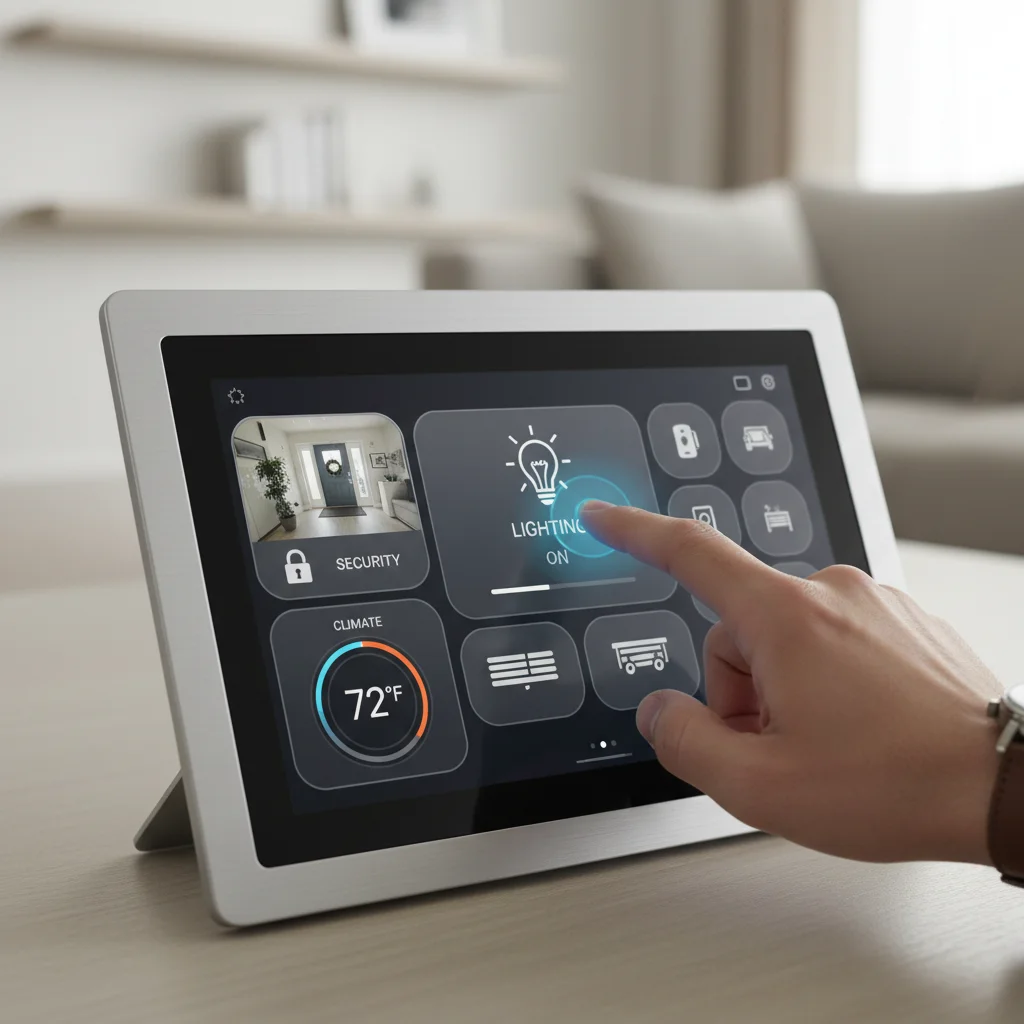
Beyond device control, Google Home leverages its AI to offer enhanced personalization. Features like ‘Routines’ are becoming more intelligent, allowing for multi-step actions triggered by complex conditions. Imagine a ‘Leaving Home’ routine that not only locks your doors and turns off lights but also arms your security system, adjusts your thermostat to an energy-saving mode, and sends you a notification if a window is left open. The ability to customize these routines with increasingly granular control makes Google Home a powerful tool for tailored Smart Home Integrations.
Key Advantages of Google Home with Advanced AI:
- Superior AI and Voice Assistant: Google Assistant’s contextual understanding and predictive capabilities are industry-leading.
- Extensive Device Compatibility: Strong support for Matter and Thread ensures broad interoperability with various brands.
- Deep Google Service Integration: Seamless connection with Google Calendar, Google Maps, and other services for enhanced automation.
- Personalized Automation: Advanced Routines and learning algorithms adapt to your habits and preferences.
- Affordable Entry Point: A wide range of Google Nest devices offers accessible entry into the ecosystem.
The open nature of Google’s ecosystem and its widespread adoption across numerous device manufacturers make it an incredibly versatile platform for Smart Home Integrations. The continuous evolution of Google Assistant’s intelligence, coupled with robust connectivity standards, positions Google Home as a frontrunner for those seeking an intelligent, adaptable, and highly personalized smart living experience in 2026.
3. The Professional-Grade Powerhouse: Samsung SmartThings with Enhanced Edge Computing
Samsung SmartThings has carved out a niche as a highly flexible and powerful platform, particularly appealing to users who desire extensive customization and control over their smart home. In 2026, SmartThings distinguishes itself with enhanced edge computing capabilities, pushing processing power closer to the devices themselves, leading to faster response times, greater reliability, and improved privacy for advanced Smart Home Integrations.
SmartThings has always been known for its expansive device compatibility, supporting a vast array of protocols including Zigbee, Z-Wave, Wi-Fi, and now increasingly, Matter and Thread. This broad support means that virtually any smart device you own or plan to purchase can likely be integrated into the SmartThings ecosystem. This flexibility is a significant advantage for users who prefer to mix and match devices from different brands to create their ideal smart home setup.
The evolution towards enhanced edge computing is a critical development for SmartThings. Traditionally, many smart home automations relied on cloud processing, which could introduce latency and dependency on internet connectivity. By shifting more processing to local hubs (like the SmartThings Hub v3 or compatible Samsung devices), SmartThings ensures that critical automations – such as motion-triggered lighting or security alerts – execute almost instantaneously, even if your internet connection is down. This dramatically improves the reliability and responsiveness of your Smart Home Integrations.
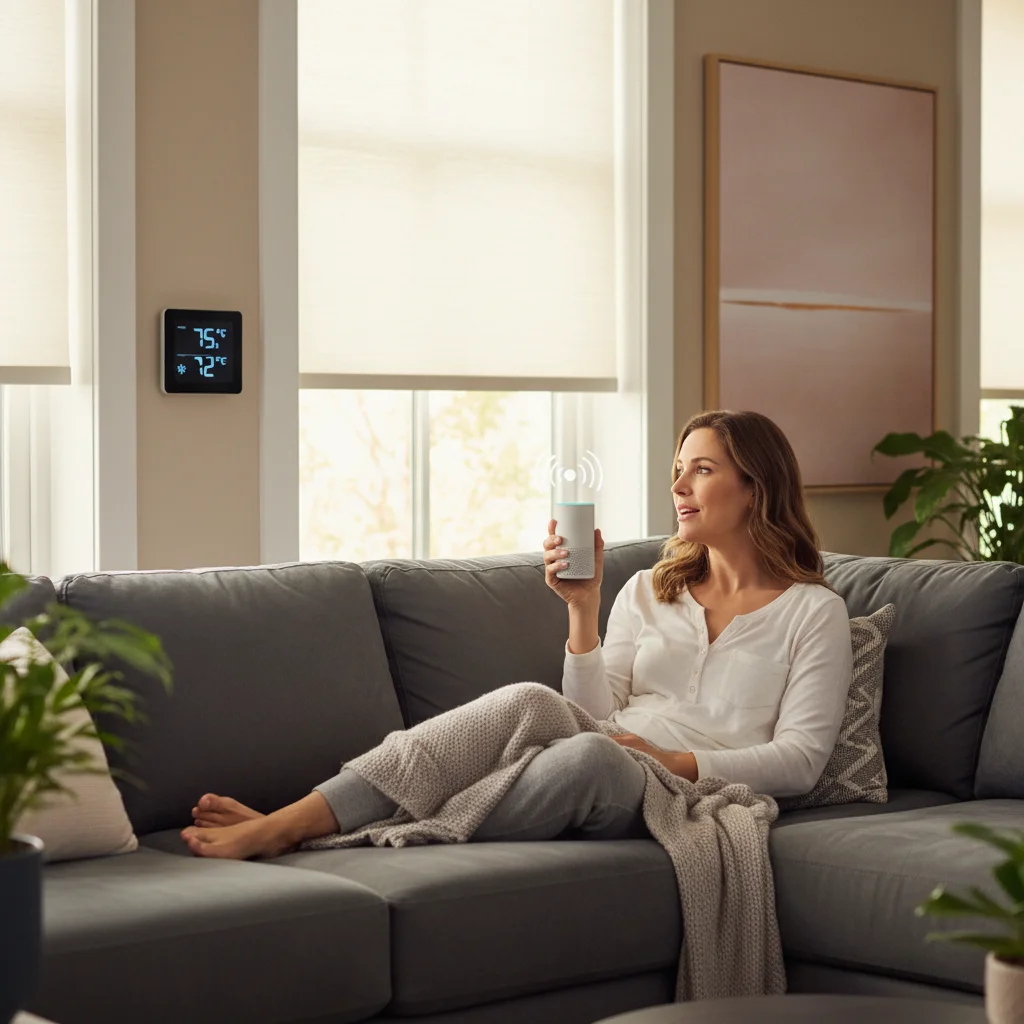
Furthermore, edge computing enhances privacy by keeping sensitive data processing on your local network rather than sending it to the cloud. This is a significant concern for many smart home users, especially when dealing with security cameras and motion sensors. SmartThings’ robust automation engine, combined with its new edge capabilities, allows for incredibly complex and powerful routines. Users can create intricate sequences of actions, triggered by multiple conditions, across a diverse range of devices, making it a true powerhouse for custom Smart Home Integrations.
Key Advantages of Samsung SmartThings with Edge Computing:
- Unparalleled Device Compatibility: Supports a wide range of protocols (Zigbee, Z-Wave, Wi-Fi, Matter, Thread) for maximum flexibility.
- Enhanced Edge Computing: Faster, more reliable, and private local processing for critical automations.
- Advanced Customization: Powerful automation engine for creating complex, personalized routines.
- Robust Ecosystem: Deep integration with Samsung’s vast array of appliances and electronics.
- Community Support: A strong developer community provides additional integrations and support.
Samsung’s commitment to expanding the SmartThings ecosystem, coupled with its focus on edge computing and broad protocol support, makes it an ideal choice for power users and those seeking a highly customizable and resilient smart home. For professional-grade Smart Home Integrations that prioritize speed, reliability, and privacy, SmartThings in 2026 stands out as a formidable platform.
The Future of Smart Home Integrations: What’s Next?
Looking beyond these top three contenders, the future of Smart Home Integrations is incredibly exciting. We can anticipate several key trends that will continue to shape how we interact with our intelligent living spaces:
- Proactive and Predictive AI: Systems will become even better at anticipating your needs, not just reacting to commands. Think of a home that learns your sleep patterns and gently adjusts lighting and temperature to optimize your wake-up experience.
- Hyper-Personalization: Smart homes will increasingly adapt to individual occupants, offering different settings and experiences based on who is in the room.
- Enhanced Energy Management: Integration with smart grids and renewable energy sources will become standard, allowing homes to optimize energy consumption and even sell excess power back to the grid.
- Health and Wellness Monitoring: Devices will integrate more deeply with health sensors, monitoring air quality, sleep patterns, and even detecting falls, offering proactive health support.
- Augmented Reality (AR) for Home Management: Imagine using AR overlays on your smartphone to visualize energy consumption, identify malfunctioning devices, or even plan furniture placement within your smart home.
- Greater Emphasis on Cybersecurity: As homes become more connected, the need for robust, built-in cybersecurity measures will intensify, with AI-driven threat detection becoming standard.
The drive towards universal standards like Matter is crucial for realizing this future. It breaks down proprietary barriers, fostering innovation and ensuring that consumers have greater choice and flexibility. The competition among platforms like HomeKit, Google Home, and SmartThings will continue to push the boundaries of what’s possible, leading to increasingly sophisticated and user-friendly Smart Home Integrations.
Choosing the Right Smart Home Integration for You
With so many advanced options, selecting the best Smart Home Integrations for your home in 2026 depends on several factors:
- Your Existing Ecosystem: If you’re already deeply invested in Apple, Google, or Samsung devices, leveraging their respective smart home platforms often provides the most seamless experience.
- Priorities: Do you value privacy and security above all else? Is maximum device compatibility your main concern? Or do you seek the most advanced AI and personalization?
- Technical Comfort Level: While all platforms are becoming more user-friendly, some offer deeper customization options that might appeal more to tech-savvy users.
- Budget: Consider the cost of hubs, devices, and any potential subscription services.
Regardless of your choice, the key is to think about how these integrations will genuinely enhance your daily life. A truly smart home isn’t just about having gadgets; it’s about creating an environment that supports your lifestyle, saves you time and energy, and provides peace of mind.
Conclusion: Embracing the Intelligent Home of 2026
The landscape of Smart Home Integrations in 2026 is one of exciting innovation, robust connectivity, and unprecedented intelligence. Apple HomeKit with its enhanced Thread/Matter support offers unmatched security and seamless ecosystem integration. Google Home, powered by its advanced AI, provides predictive intelligence and deep personalization. And Samsung SmartThings, with its edge computing capabilities, delivers professional-grade flexibility and reliability.
These three platforms represent the pinnacle of smart home technology, each offering unique strengths to cater to different user needs. As technology continues to evolve, the distinction between a ‘house’ and an ‘intelligent home’ will become increasingly pronounced. By embracing these leading Smart Home Integrations, you’re not just upgrading your living space; you’re stepping into a future where your home actively contributes to a more convenient, efficient, and enjoyable digital life. The time to build your intelligent home is now.