Cybersecurity for Digital Home: Protecting Devices from 2026 Threats
Anúncios
Protecting your digital home from 2026 cybersecurity threats requires proactive measures, including robust network security, secure device configurations, and continuous vigilance against evolving cyber-attacks to ensure data privacy and device integrity.
Anúncios
The rapid evolution of smart home technology brings unparalleled convenience, yet it simultaneously ushers in a new era of vulnerabilities. As we look towards 2026, understanding and implementing robust cybersecurity for the digital home becomes not just advisable, but absolutely critical. This guide explores the landscape of emerging threats and provides actionable strategies to fortify your connected living space against sophisticated cyber-attacks.
Understanding the Evolving Threat Landscape for Digital Homes
The digital home of 2026 is far more interconnected and intelligent than ever before. From smart appliances managing your groceries to advanced security systems monitoring your property, every device presents a potential entry point for cybercriminals. The sheer volume and diversity of these devices create a complex attack surface that requires a multifaceted defense strategy. Understanding the nature of these evolving threats is the first step toward effective protection.
Cybercriminals are constantly innovating, developing new methods to exploit vulnerabilities in connected devices and home networks. These threats range from simple phishing attempts to highly sophisticated ransomware attacks targeting entire smart home ecosystems. The stakes are higher than ever, as compromised devices can lead to data breaches, privacy violations, financial loss, or even physical harm.
Anúncios
The Rise of AI-Powered Attacks
Artificial intelligence, while a boon for smart home functionality, is also being weaponized by attackers. AI-powered malware can adapt and evolve, making traditional signature-based detection less effective. These intelligent threats can learn user behavior, identify network weaknesses, and even mimic legitimate traffic to evade detection, posing a significant challenge for conventional security measures.
- Adaptive Malware: Learns network patterns to bypass defenses.
- Automated Exploitation: Scans for and exploits vulnerabilities without human intervention.
- Sophisticated Phishing: Creates highly personalized and convincing phishing attempts.
Supply Chain Vulnerabilities
Many smart home devices rely on components and software from various manufacturers, creating complex supply chains. A vulnerability introduced at any point in this chain, from hardware manufacturing to software development, can compromise the security of the end product. This makes it crucial for consumers to choose reputable brands and for manufacturers to implement stringent security protocols throughout their supply chains.
The interconnectedness of the digital home means that a weakness in one device can potentially compromise the entire network. For example, a vulnerable smart light bulb could be used as a stepping stone by an attacker to gain access to more critical systems, such as a home security camera or even personal financial data stored on a connected computer. Therefore, a holistic approach to security is paramount.
Fortifying Your Home Network: The First Line of Defense
Your home network serves as the central nervous system for all your digital devices. Securing it is the foundational step in protecting your digital home from 2026 threats. A robust network acts as a barrier, preventing unauthorized access and isolating potential threats before they can impact your devices or data. This requires a combination of strong configurations, up-to-date software, and diligent monitoring.
Many homeowners overlook the importance of their router’s security settings, often leaving them at their default configurations. This is a critical mistake, as default passwords and open ports are easy targets for cybercriminals. Taking the time to properly set up and maintain your network security can significantly reduce your vulnerability to attacks.
Implementing Strong Router Security
The router is the gateway to your home network, making its security paramount. Changing default login credentials to strong, unique passwords is non-negotiable. Additionally, disabling Universal Plug and Play (UPnP) and regularly updating your router’s firmware are essential steps. These actions close common security holes that attackers frequently exploit to gain unauthorized access.
- Change Default Credentials: Use complex, unique passwords for your router’s admin interface.
- Disable UPnP: Prevents devices from automatically opening ports, reducing attack surface.
- Regular Firmware Updates: Patches known vulnerabilities and improves security features.
Creating a Guest Network and Network Segmentation
For smart homes, creating separate networks for guests and IoT devices is a highly effective security measure. A guest network prevents visitors from accessing your main network, while an IoT network isolates smart devices from your personal computers and sensitive data. This segmentation limits the damage an attacker can do if a single device is compromised, preventing lateral movement across your network.
Network segmentation essentially creates virtual walls within your home network. If a smart thermostat, for example, were to be compromised, an attacker would only have access to that specific segment of the network, not your entire digital ecosystem. This strategy significantly enhances your overall security posture and is increasingly crucial as the number of connected devices grows.
Securing Your Smart Devices: Beyond the Basics
While network security is crucial, individual smart devices also require careful attention to detail. Each device, from smart speakers to security cameras, has its own set of potential vulnerabilities that must be addressed. Moving beyond basic password changes, a comprehensive approach involves understanding device-specific settings, managing permissions, and staying informed about potential exploits. 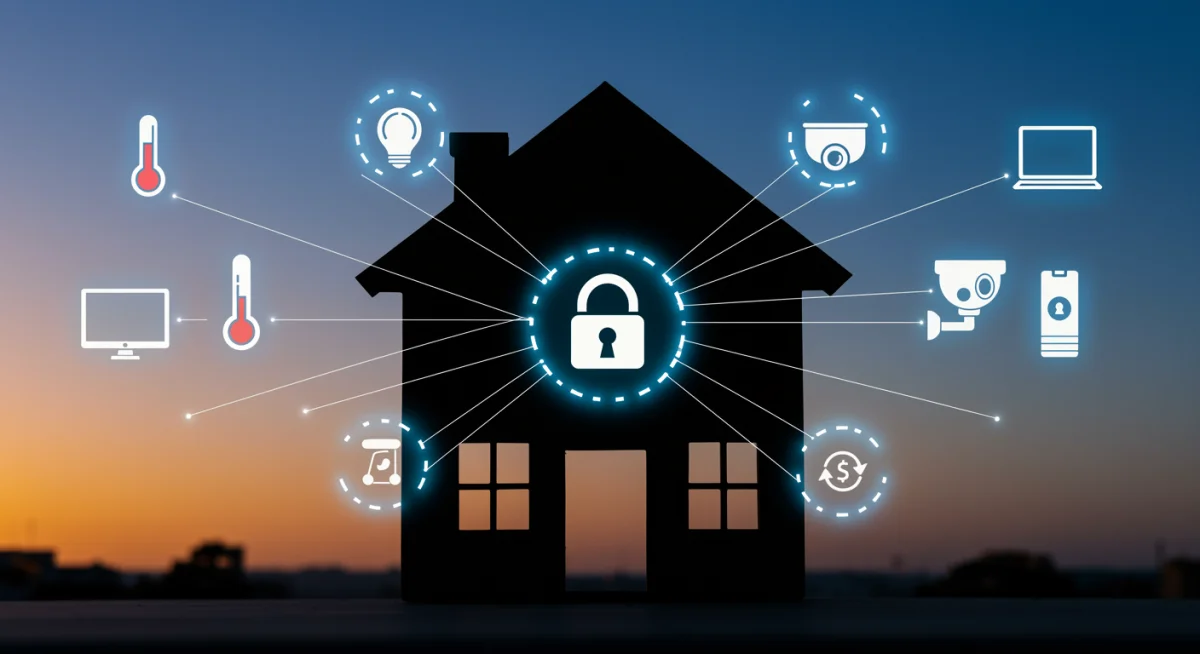 Protecting your digital home from 2026 threats means looking at every component.
Many smart devices collect vast amounts of personal data, making them attractive targets for cybercriminals. Ensuring the security of these devices not only protects them from being hijacked but also safeguards your privacy. Regularly reviewing privacy settings and understanding what data your devices collect and share is an important part of this process.
Strong Passwords and Multi-Factor Authentication (MFA)
The importance of strong, unique passwords for every smart device cannot be overstated. Reusing passwords across devices is a major security risk. Furthermore, enabling multi-factor authentication (MFA) wherever available adds an extra layer of security, requiring a second form of verification beyond just a password. This significantly reduces the likelihood of unauthorized access, even if a password is stolen.
- Unique Passwords: Create complex, distinct passwords for each device and service.
- Enable MFA: Utilize a second verification method (e.g., fingerprint, SMS code) for logins.
- Password Manager: Use a reputable password manager to securely store and generate strong credentials.
Regular Software and Firmware Updates
Manufacturers frequently release updates for their smart devices to patch vulnerabilities and improve security features. Neglecting these updates leaves your devices exposed to known exploits. Setting devices to update automatically, or at least regularly checking for and installing updates manually, is a simple yet critical step in maintaining a secure digital home. These updates often contain vital security patches.
Outdated firmware is a common entry point for attackers. By keeping your devices up-to-date, you ensure they benefit from the latest security enhancements and bug fixes. This proactive approach is far more effective than reacting to a breach after it has occurred. Make it a habit to check for updates across all your smart home devices on a regular basis.
Protecting Your Data and Privacy in the Digital Home
In the digital home of 2026, data is the new currency. From your daily routines captured by smart assistants to your health metrics tracked by wearables, a vast amount of personal information is generated and stored. Protecting this data and ensuring your privacy is paramount. Understanding how your data is collected, used, and shared is crucial for taking control of your digital footprint.
Many smart devices are designed to collect data to improve user experience or offer personalized services. However, this data can also be a goldmine for cybercriminals or be misused by third parties. Therefore, being mindful of privacy settings and understanding the terms of service for each device and application is essential to safeguard your personal information.
Reviewing App Permissions and Privacy Settings
Every smart device and its accompanying app will have a set of permissions. It’s vital to review these permissions carefully and only grant access to what is absolutely necessary for the device’s functionality. For instance, a smart light bulb app likely doesn’t need access to your contacts or location data. Restricting unnecessary permissions minimizes potential data exposure.
- Audit Permissions: Regularly check and adjust app permissions for all smart devices.
- Understand Data Collection: Read privacy policies to know what data is being gathered.
- Limit Data Sharing: Opt out of data sharing with third parties whenever possible.
Encrypting Sensitive Information and Backups
For any sensitive data stored on home servers or devices, encryption is a powerful tool. Encryption scrambles your data, making it unreadable to unauthorized individuals even if they gain access. Furthermore, regularly backing up your important data to secure, encrypted cloud storage or external drives ensures that you can recover from a data loss event, whether due to a cyber-attack or device failure.
While many smart devices encrypt data in transit, it’s also important to consider data at rest. If a device stores sensitive information locally, ensuring that data is encrypted can prevent unauthorized access if the device itself is compromised. A multi-layered approach to data protection, combining encryption with secure backups, offers the best defense.
Recognizing and Responding to Digital Threats
Even with the best preventative measures, the threat of a cyber-attack remains. Being able to recognize the signs of a compromise and knowing how to respond effectively are critical skills for any digital homeowner in 2026. Early detection can minimize damage and help you recover quickly, ensuring the continued security and functionality of your smart home ecosystem.
Cybercriminals often leave subtle clues when they compromise a system. Unusual device behavior, unexpected network activity, or receiving suspicious communications are all red flags that should not be ignored. Developing a keen awareness of these indicators can make all the difference in thwarting an attack before it escalates.
Identifying Suspicious Activity
Keep an eye out for any unusual behavior from your smart devices. This could include devices turning on or off unexpectedly, cameras recording without command, or unusual data usage reports from your internet service provider. Similarly, be wary of any unexpected emails or messages that ask for personal information or prompt you to click on suspicious links.
- Unusual Device Behavior: Devices acting erratically or performing unauthorized actions.
- Unexpected Network Traffic: High data usage when devices are idle or unknown connections.
- Phishing Attempts: Emails or messages requesting sensitive information or containing suspicious links.
Having an Incident Response Plan
It’s wise to have a basic incident response plan in place. This includes knowing who to contact (e.g., device manufacturers, internet service provider), how to disconnect compromised devices, and how to change passwords quickly. A pre-planned response can significantly reduce the impact of a cyber-incident and streamline the recovery process, helping to protect your digital home from 2026 threats more effectively.
Your incident response plan should also include steps for data recovery, such as restoring from backups, and potentially reporting the incident to relevant authorities if personal data has been compromised. Practicing these steps, even mentally, can help you act decisively and minimize panic during a real security event.
Future-Proofing Your Digital Home Security Strategy
The pace of technological change means that cybersecurity is not a static endeavor. What works today might be insufficient tomorrow. Future-proofing your digital home security strategy involves staying informed, adopting new technologies, and building a resilient mindset. This proactive approach ensures that your home remains secure against emerging threats in 2026 and beyond.
As smart home technology continues to evolve, so too will the methods used by cybercriminals. Therefore, continuous learning and adaptation are key. This means not only updating your devices but also updating your knowledge and understanding of the latest cybersecurity best practices and threats.
Staying Informed on Emerging Threats
Regularly follow cybersecurity news, subscribe to security alerts from reputable organizations, and engage with communities focused on smart home security. Awareness of new vulnerabilities, attack vectors, and recommended solutions will empower you to take timely action to protect your devices. Knowledge is your strongest defense against the unknown.
- Follow Security News: Stay updated on the latest cyber threats and vulnerabilities.
- Manufacturer Alerts: Subscribe to security notifications from your device manufacturers.
- Community Engagement: Participate in forums and groups focused on digital home security.
Adopting Advanced Security Technologies
Consider integrating advanced security tools into your digital home. This could include network intrusion detection systems, AI-powered threat intelligence platforms, or even dedicated security hubs for your IoT devices. These technologies can provide an additional layer of defense, offering real-time threat detection and automated responses that go beyond basic firewall protection.
As smart homes become more sophisticated, so too should their security infrastructure. Investing in next-generation security solutions can provide a significant advantage in the ongoing battle against cybercrime. These tools often leverage machine learning to identify anomalous behavior and potential threats before they can cause harm, offering a more dynamic and adaptive defense.
The Role of User Education and Awareness
Ultimately, technology alone cannot provide complete security. The human element remains one of the most significant factors in cybersecurity. User education and awareness are pivotal in creating a truly resilient digital home. A well-informed user is less likely to fall victim to phishing attacks, make poor security choices, or unknowingly expose their home network to risks. Protecting your digital home from 2026 threats starts with you.
Cybercriminals often target the weakest link, which can frequently be human error. By empowering yourself and your family members with cybersecurity knowledge, you build a collective defense that complements technological safeguards. This includes understanding the importance of strong passwords, recognizing social engineering tactics, and knowing when to be suspicious.
Educating Family Members
Ensure everyone in your household understands basic cybersecurity practices. This includes teaching children about online safety, explaining the risks of clicking on unknown links, and the importance of not sharing personal information. A collective effort in maintaining digital hygiene significantly strengthens your home’s overall security posture against cyber threats.
- Basic Cyber Hygiene: Teach family members about strong passwords and suspicious links.
- Privacy Awareness: Explain the importance of not sharing personal information online.
- Device Responsibility: Emphasize careful use of smart devices and their settings.
Developing a Security-First Mindset
Cultivate a security-first mindset when integrating new devices or services into your digital home. Always question potential risks, research product security features, and prioritize privacy. This proactive approach ensures that security is considered from the outset, rather than being an afterthought, making your home inherently more resilient to future threats.
This mindset extends to evaluating new apps, services, and even updates. Before installing anything new, take a moment to consider its potential impact on your privacy and security. This critical thinking can prevent many common vulnerabilities from ever taking root in your digital ecosystem, ensuring long-term protection.
| Key Protection Area | Brief Description |
|---|---|
| Network Fortification | Secure your home Wi-Fi with strong passwords, regular firmware updates, and network segmentation (guest/IoT networks). |
| Device Hardening | Implement unique, strong passwords and Multi-Factor Authentication (MFA) for all smart devices; apply regular updates. |
| Data & Privacy Control | Review app permissions, understand data collection policies, and encrypt sensitive information with secure backups. |
| User Awareness | Educate all household members on cybersecurity best practices and maintain a security-first mindset for new tech. |
Frequently Asked Questions About Digital Home Cybersecurity
The primary threats include AI-powered malware, sophisticated phishing attacks targeting smart device credentials, supply chain vulnerabilities in IoT devices, and ransomware designed to lock down entire smart home ecosystems. These evolving attacks demand proactive defense strategies from homeowners.
To secure your network, change default router passwords, disable UPnP, enable WPA3 encryption, and regularly update firmware. Consider creating separate Wi-Fi networks for guests and IoT devices to segment potential threats and prevent unauthorized access to sensitive data.
Yes, MFA is highly recommended for any smart device or service that supports it. It adds a crucial layer of security, requiring a second form of verification beyond just a password. This significantly reduces the risk of unauthorized access, even if your password is compromised.
Immediately disconnect the device from your network. Change all associated passwords, enable MFA if not already active, and check for available firmware updates. Monitor other devices for unusual activity and consider running a network scan to identify potential intrusions. Contact the manufacturer for support.
You should update your smart home devices and router firmware as soon as updates are available. Many devices offer automatic updates, which should be enabled. If not, make it a habit to check for updates manually at least once a month to ensure you have the latest security patches.
Conclusion
As we navigate the increasingly connected world of 2026, the security of our digital homes is paramount. The convenience offered by smart technology comes with a responsibility to understand and mitigate the associated cybersecurity risks. By fortifying your network, securing individual devices, safeguarding your data and privacy, and staying informed about emerging threats, you can build a resilient digital home ecosystem. Continuous vigilance, regular updates, and a strong security-first mindset are your best defenses against the evolving landscape of cyber-attacks, ensuring your digital lifestyle remains both innovative and secure.