Cybersecurity Training: 15-Minute Daily Routine for Employee Awareness
Anúncios
Implementing a focused 15-minute daily cybersecurity training routine can significantly enhance employee awareness and fortify an organization’s digital defenses against evolving threats in 2026, transforming passive learning into proactive protection.
Anúncios
In today’s rapidly evolving digital landscape, robust cybersecurity is no longer just an IT department’s concern; it’s a collective responsibility. Effective cybersecurity training for employees is paramount, especially when facing sophisticated threats. But how can busy teams integrate this crucial learning without disrupting productivity? The answer lies in a practical, consistent 15-minute daily routine designed to significantly boost your team’s awareness and fortify your organizational defenses, making 2026 a safer year for your data.
The evolving threat landscape and the human element
The digital world is constantly changing, and with it, the nature of cyber threats. What was a cutting-edge attack vector yesterday might be common knowledge today, only to be replaced by an even more cunning exploit tomorrow. Organizations in the United States face an unprecedented volume and sophistication of cyberattacks, ranging from ransomware and phishing to advanced persistent threats. While technological solutions form the backbone of defense, the human element often remains the weakest link.
Anúncios
Employees, regardless of their role, are frequently targeted because they represent an accessible entry point into a company’s network. A single misstep – clicking a malicious link, falling for a social engineering ploy, or using a weak password – can have catastrophic consequences, leading to data breaches, financial losses, and reputational damage. This reality underscores the critical need for continuous, engaging, and relevant cybersecurity education that goes beyond annual training modules.
Why traditional training falls short
- Infrequent updates: Annual or bi-annual training often becomes outdated quickly as new threats emerge.
- Information overload: Long, infrequent sessions can lead to employees disengaging and retaining less information.
- Lack of relevance: Generic content may not resonate with specific departmental risks or individual roles.
- Passive learning: Lectures or video presentations without interactive elements fail to solidify understanding or change behavior.
To combat these challenges, a paradigm shift in how we approach cybersecurity awareness is necessary. Instead of viewing training as a one-off event, it must be integrated into the daily workflow, fostering a culture of continuous learning and vigilance. This proactive approach transforms employees from potential vulnerabilities into the first line of defense, making them active participants in safeguarding organizational assets.
Designing an effective 15-minute daily routine
Creating a daily cybersecurity routine that is both impactful and time-efficient requires strategic planning. The goal is to deliver digestible, relevant content that reinforces key principles without causing fatigue or interrupting core work responsibilities. This isn’t about lengthy lectures; it’s about micro-learning, quick checks, and constant reinforcement.
The beauty of a 15-minute daily commitment lies in its sustainability. It’s a duration that can easily be carved out at the start of the day, during a coffee break, or before logging off. The key is consistency and variety, ensuring that employees are exposed to different facets of cybersecurity without feeling overwhelmed.
Structuring the daily micro-learning sessions
- Monday: Phishing awareness spotlight (5 minutes): Share a real-world phishing email example (anonymized) and discuss red flags.
- Tuesday: Password hygiene check (5 minutes): A quick reminder on strong password creation, multi-factor authentication, and password manager benefits.
- Wednesday: Data handling best practices (5 minutes): Focus on secure file sharing, data classification, and avoiding public Wi-Fi for sensitive work.
- Thursday: Device security tips (5 minutes): Brief on locking screens, software updates, and reporting lost/stolen devices.
- Friday: Quick quiz or success story (5 minutes): A short, interactive quiz on the week’s topics or a story about an employee successfully identifying a threat.
The remaining 10 minutes of each session can be dedicated to interactive elements, quick discussions, or reviewing current threat advisories. This flexible structure allows for adaptation to emerging threats and specific organizational needs, keeping the content fresh and relevant. The emphasis is on active engagement rather than passive consumption, turning learning into a habit.
Leveraging technology for micro-learning delivery
Technology plays a pivotal role in making a 15-minute daily cybersecurity training routine feasible and engaging. Modern platforms offer features that cater specifically to micro-learning, personalization, and interactive content. Choosing the right tools can significantly enhance the effectiveness and reach of your training program.
From automated content delivery systems to gamified learning modules, the options are vast. The best solutions will integrate seamlessly into existing workflows, minimizing friction and maximizing participation. The goal is to make cybersecurity learning as accessible and intuitive as possible, transforming it from a chore into an integral part of daily operations.
Essential tools and platforms
- Learning management systems (LMS): Platforms like TalentLMS or Absorb LMS can host micro-modules, track progress, and automate content delivery.
- Phishing simulation tools: Services like KnowBe4 or Cofense provide realistic phishing tests and instant feedback, crucial for practical awareness.
- Internal communication channels: Utilizing Slack, Microsoft Teams, or internal intranets for daily tips, quick polls, and threat alerts.
- Gamified learning applications: Apps that turn learning into a game, offering points, badges, and leaderboards to boost engagement.
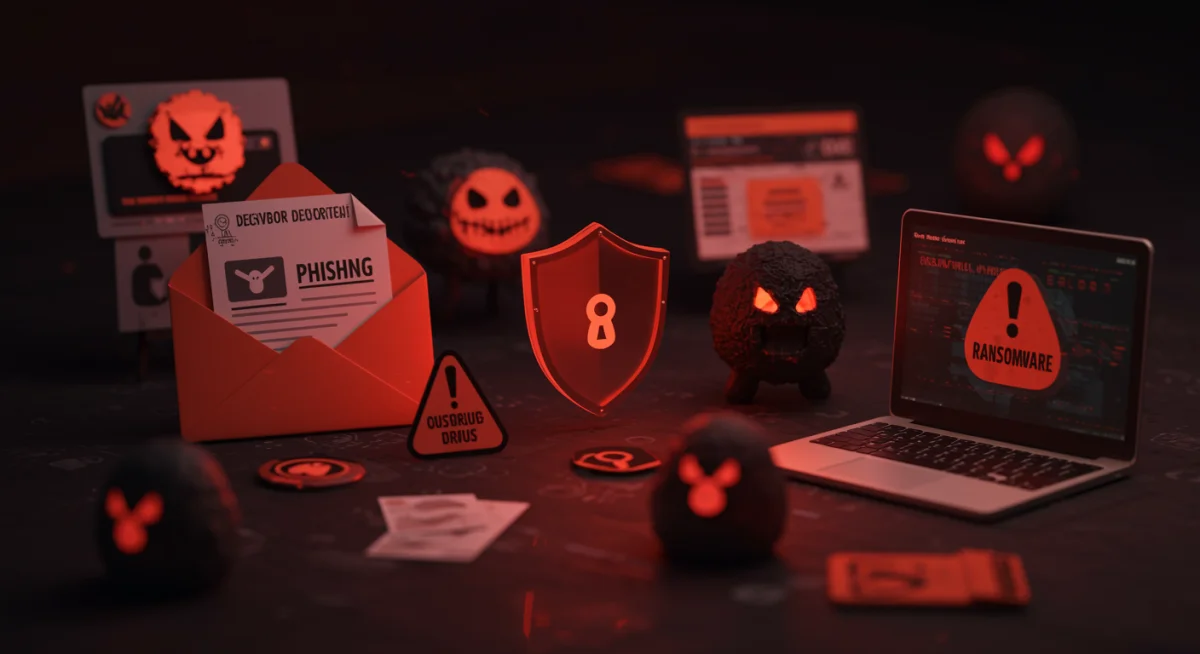
Integrating these technologies allows for a dynamic and adaptive training environment. For instance, an LMS can deliver a 5-minute video on a specific threat, followed by a 2-minute interactive quiz. Phishing simulation tools can then test employees’ ability to apply that knowledge in a controlled environment. The remaining time can be used for a quick team discussion or a security update shared via an internal communication channel. This blended approach ensures continuous reinforcement and practical application of knowledge.
Measuring impact and adapting the program
Implementing a daily cybersecurity training routine is only the first step. To ensure its long-term effectiveness, it’s crucial to continuously measure its impact and be prepared to adapt the program based on feedback and evolving threat intelligence. Without proper metrics, it’s impossible to determine ROI or identify areas for improvement.
Measurement shouldn’t be limited to completion rates; it needs to delve into behavioral changes, incident reduction, and employee comprehension. A successful program will not only educate but also empower employees to make informed decisions and act as proactive defenders against cyber threats. This requires a feedback loop that informs future content and delivery methods.
Key metrics for success
- Phishing click-through rates: A decrease in clicks on simulated phishing emails indicates improved awareness.
- Reporting rates: An increase in employees reporting suspicious emails or activities suggests greater vigilance.
- Quiz scores and completion rates: Gauge comprehension and engagement with the training modules.
- Incident reduction: Track the number of security incidents directly attributable to human error.
- Employee feedback: Regular surveys and open forums to understand perceived value and areas for improvement.
Regular analysis of these metrics will provide valuable insights into the program’s strengths and weaknesses. For example, if phishing click-through rates remain high for a particular type of email, it indicates a need for more focused training on that specific threat vector. Similarly, if employees express confusion about a certain topic, the content can be revised for clarity. This iterative process of training, measuring, and adapting ensures that the cybersecurity awareness program remains relevant, effective, and continuously improving.
Building a culture of cybersecurity vigilance
Beyond the technical aspects and structured routines, the ultimate goal of daily cybersecurity training is to cultivate a pervasive culture of vigilance within the organization. This means transforming security from a compliance checkbox into an ingrained habit and a shared value. A strong security culture ensures that every employee understands their role in protecting sensitive information and acts accordingly, even when not directly prompted.
Such a culture is not built overnight; it requires consistent effort, leadership buy-in, and a positive approach to education. When employees feel empowered and informed, rather than blamed or shamed for mistakes, they are more likely to embrace security best practices and actively contribute to the organization’s overall resilience. This collective ownership is invaluable in an environment where threats are constantly evolving.
Strategies for fostering a security-first mindset
- Lead by example: Senior leadership actively participates in training and demonstrates security best practices.
- Positive reinforcement: Acknowledge and reward employees who exhibit strong security behaviors or report threats.
- Open communication: Create channels for employees to ask questions, report concerns, and share insights without fear of reprimand.
- Regular reminders: Utilize various internal communication tools for quick, positive security reminders and tips.
- Empowerment through knowledge: Provide employees with the tools and understanding to make informed security decisions independently.
A robust cybersecurity culture fosters a proactive stance against threats. It encourages employees to think critically before clicking, to question suspicious requests, and to prioritize data protection in all their tasks. This cultural shift, underpinned by consistent and engaging daily training, creates a human firewall that significantly enhances an organization’s defensive posture, turning every employee into a valuable asset in the fight against cybercrime. It’s about making security an intuitive part of how work gets done, not an external imposition.
Overcoming challenges and ensuring sustainability
Implementing any new organizational routine, especially one that requires daily engagement, comes with its own set of challenges. Sustaining a 15-minute daily cybersecurity training program requires foresight, flexibility, and a commitment to addressing potential roadblocks. Simply launching the program isn’t enough; it needs active management to ensure its longevity and effectiveness.
Common hurdles include employee fatigue, resistance to change, and the perception that security training is a time-sink. Addressing these concerns proactively is essential for the program’s success. This involves clear communication, demonstrating the value proposition, and continuously seeking feedback to refine the approach. The goal is to embed the routine so deeply that it becomes an almost unconscious part of the workday.
Common challenges and solutions
- Employee fatigue: Keep content fresh, varied, and genuinely engaging. Use humor or real-world examples.
- Lack of time: Emphasize the brevity of the sessions (15 minutes) and how they prevent larger, time-consuming incidents.
- Resistance to change: Highlight the benefits to employees personally (e.g., protecting personal data) and the collective good of the company.
- Content relevance: Tailor content to specific departments or roles where possible; use real, anonymized incidents from the company.
- Measuring ROI: Clearly communicate how the program contributes to reduced incidents and financial savings, justifying the investment.
Ensuring the sustainability of the program also involves regularly updating content to reflect the latest threats and vulnerabilities. Cybersecurity is a moving target, and training must evolve alongside it. By fostering an environment where learning is continuous and valued, organizations can overcome these challenges, embedding a strong cybersecurity posture that protects against the sophisticated threats of 2026 and beyond. This long-term view is critical for maintaining digital resilience in an ever-changing threat landscape.
| Key Point | Brief Description |
|---|---|
| Daily Micro-Learning | Short, consistent 15-minute sessions prevent fatigue and enhance retention. |
| Human Element Focus | Employees are the first line of defense; empower them with practical knowledge. |
| Technology Integration | Utilize LMS, phishing simulations, and communication tools for effective delivery. |
| Culture of Vigilance | Foster a security-first mindset through leadership, positive reinforcement, and open communication. |
Frequently asked questions about employee cybersecurity training
A 15-minute daily routine is effective because it promotes consistent micro-learning, preventing information overload and improving knowledge retention. Short, focused sessions are easier to integrate into busy schedules and keep employees engaged with fresh, relevant content, transforming passive learning into an active defense mechanism.
Content should be varied and cover key areas such as phishing awareness, strong password practices, secure data handling, device security, and social engineering tactics. Incorporating real-world examples, interactive quizzes, and short videos ensures the training remains engaging and directly applicable to current threats.
Success can be measured by tracking metrics like reduced phishing click-through rates, increased reporting of suspicious activities, improved quiz scores, and a decrease in security incidents caused by human error. Employee feedback through surveys also provides valuable qualitative insights into program effectiveness and areas for improvement.
Technology is crucial for delivering micro-learning efficiently. Learning Management Systems (LMS) can automate content delivery and track progress, while phishing simulation tools provide practical testing. Internal communication platforms facilitate quick updates and discussions, making training accessible and interactive for all employees, regardless of location.
Fostering a strong cybersecurity culture involves leadership buy-in, consistent communication, and positive reinforcement. Encourage open dialogue, reward proactive security behaviors, and empower employees with knowledge. Making security a shared responsibility, rather than just an IT concern, transforms employees into active participants in protecting company assets.
Conclusion
The digital landscape of 2026 demands a proactive and adaptive approach to cybersecurity. While technological defenses are essential, the human element remains a critical factor in an organization’s security posture. By implementing a consistent, engaging, and practical 15-minute daily cybersecurity training routine, companies can significantly elevate their employees’ awareness and transform them into a formidable first line of defense. This micro-learning strategy not only addresses the evolving threat landscape but also fosters a pervasive culture of vigilance, ensuring that security becomes an ingrained habit rather than an occasional obligation. Investing in this continuous education is not merely a cost but a vital investment in organizational resilience and long-term digital safety.