Smart Appliances 2026: The Ultimate Integrated Digital Home Guide
Anúncios
This comprehensive 2026 buyer’s guide details how to select and integrate today’s most advanced smart appliances, transforming any residence into a cohesive and efficient digital home environment.
Anúncios
Welcome to the future of living! As we step into 2026, the concept of a truly integrated digital home is no longer a futuristic dream but a tangible reality for many. This guide is designed to help you navigate the vast and exciting world of smart home appliances, ensuring your choices lead to a seamlessly connected and efficient living space.
Anúncios
The Evolution of Smart Appliances: Beyond Basic Connectivity
The journey of smart appliances has been remarkable, evolving from simple remote-controlled devices to sophisticated, AI-powered systems. In 2026, these appliances offer more than just convenience; they provide predictive capabilities, energy optimization, and enhanced security, fundamentally reshaping our daily routines.
Early smart devices primarily focused on basic connectivity, allowing users to turn them on or off from a distance. Today, the landscape is far more intricate, with appliances communicating not only with us but also with each other, creating a truly symbiotic home environment. This interconnectedness is the cornerstone of the integrated digital home experience.
AI and Machine Learning Integration
Artificial intelligence and machine learning are at the heart of the latest smart appliance innovations. These technologies enable devices to learn user habits, anticipate needs, and optimize performance autonomously.
- Predictive Maintenance: Appliances can now self-diagnose issues and alert you or even schedule service appointments.
- Personalized Experiences: Refrigerators suggest recipes based on available ingredients, and ovens preheat according to your schedule.
- Energy Optimization: Devices learn peak and off-peak energy usage, adjusting their operations to save you money and reduce environmental impact.
The continuous learning capabilities of these appliances mean that your home becomes smarter over time, adapting to your lifestyle changes and preferences. This dynamic evolution ensures that your investment in smart technology continues to deliver value for years to come.
Key Considerations for Building Your Integrated Digital Home
Embarking on the journey to an integrated digital home requires careful planning and consideration. It’s not just about buying the latest gadgets; it’s about creating a cohesive ecosystem where all your devices work harmoniously. Compatibility, security, and scalability are paramount.
The market is flooded with options, making it crucial to understand what truly matters when selecting smart appliances. A piecemeal approach can lead to disjointed systems and frustration, undermining the very purpose of smart home integration.
Prioritizing Interoperability and Ecosystems
Choosing appliances that can communicate with each other is fundamental. Various ecosystems, such as Apple HomeKit, Google Home, and Amazon Alexa, offer different levels of integration. It’s often beneficial to commit to one primary ecosystem or ensure cross-platform compatibility.
- Unified Control: Manage all your devices from a single app or voice assistant.
- Automated Routines: Create complex routines where multiple devices act in concert (e.g., lights dim, thermostat adjusts, and smart blinds close when you start a movie).
- Future-Proofing: Select brands and platforms known for open standards and continuous updates to ensure long-term usability.
Understanding the interoperability standards, like Matter or Thread, will also be crucial for seamless integration in 2026. These standards aim to create a more unified smart home landscape, reducing compatibility headaches.
Smart Kitchen: The Heart of the Digital Home
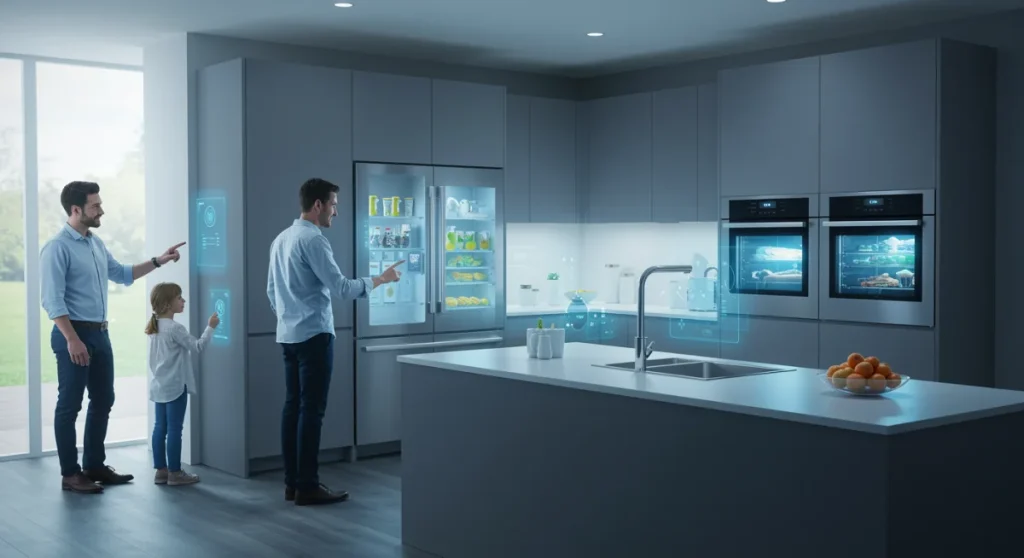
The kitchen has always been the heart of the home, and with smart appliances, it becomes the nerve center of your digital living space. From intelligent refrigerators that manage your groceries to ovens that cook to perfection, the smart kitchen optimizes efficiency and culinary creativity.
Imagine a kitchen that helps you reduce food waste, simplifies meal preparation, and even orders groceries when supplies are low. This level of automation frees up valuable time and reduces mental load, making daily life significantly smoother.
Revolutionary Smart Refrigerators
Modern smart refrigerators are more than just cooling units; they are central hubs for kitchen management. Equipped with internal cameras, touchscreens, and AI, they offer unparalleled functionality.
- Inventory Management: Track expiration dates and suggest shopping lists.
- Family Hub: Display calendars, leave notes, and stream entertainment.
- Recipe Suggestions: Propose meals based on available ingredients and dietary preferences.
These refrigerators often integrate with other smart kitchen appliances, such as smart ovens and dishwashers, allowing for synchronized meal preparation and cleanup cycles. The goal is to create a fluid, intuitive cooking and dining experience.
Smart Laundry and Cleaning: Efficiency Redefined
Beyond the kitchen, smart technology significantly impacts household chores, particularly laundry and cleaning. Smart washers, dryers, and robotic vacuums are designed to save time, conserve resources, and simplify maintenance, making these tasks less burdensome.
The automation in these areas means less manual effort and more consistent results. You can initiate cycles remotely, receive notifications, and even have your appliances adapt to specific conditions, ensuring optimal performance every time.
Intelligent Washing and Drying Systems
Smart laundry appliances offer advanced features that go far beyond traditional machines, providing customized care for your clothes and optimizing energy usage.
- Fabric Recognition: Automatically adjust wash cycles based on fabric type and load size.
- Detergent Dispensing: Precisely dispense the right amount of detergent, preventing waste.
- Remote Operation: Start, stop, and monitor cycles from your smartphone, receiving notifications when laundry is done.
- Energy Efficiency: Integrate with smart grids to run during off-peak hours, saving on electricity costs.
Similarly, smart robotic vacuums and mops leverage advanced navigation and AI to clean your home efficiently, learning floor plans and avoiding obstacles. Some even self-empty their dustbins and refill their water tanks, offering a truly hands-free cleaning experience.
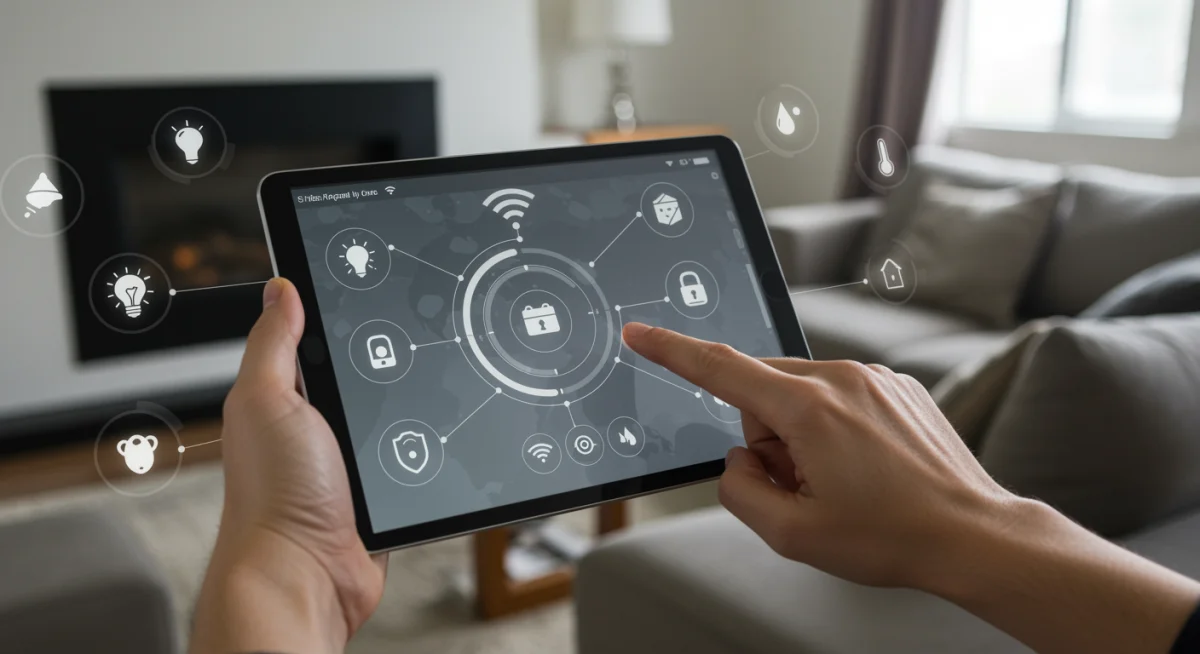
Security and Privacy in Your Digital Home
As our homes become more connected, the importance of security and privacy cannot be overstated. Protecting your data and ensuring the integrity of your smart home network are critical considerations for any buyer in 2026. Reputable manufacturers prioritize these aspects.
A truly integrated digital home relies on a secure foundation. Without robust security measures, the convenience offered by smart appliances can be undermined by potential vulnerabilities. It’s essential to understand the risks and how to mitigate them.
Safeguarding Your Smart Home Network
Implementing strong network security practices is the first line of defense for your digital home. This includes choosing secure Wi-Fi settings and regularly updating firmware.
- Strong Passwords and Multi-Factor Authentication: Use unique, complex passwords for all smart devices and enable MFA wherever possible.
- Network Segmentation: Consider creating a separate guest network or VLAN for your smart devices to isolate them from your primary network.
- Regular Firmware Updates: Keep all your smart appliances and hub firmware up-to-date to patch security vulnerabilities.
- Privacy Policies: Review the privacy policies of manufacturers to understand how your data is collected and used.
Many smart home hubs now include built-in security features, such as encrypted communication and intrusion detection. Investing in these solutions provides an additional layer of protection for your integrated digital home.
The Future is Now: What to Expect from Smart Appliances in 2026 and Beyond
The rapid pace of innovation suggests that smart appliances in 2026 are just the beginning. We can anticipate even more sophisticated integration, greater autonomy, and a deeper understanding of human needs. The trend towards hyper-personalization will continue to accelerate.
Imagine homes that adapt not just to your routines but to your mood, adjusting lighting, sound, and even air quality to create the perfect ambiance. This level of intuitive interaction will define the next generation of smart living.
Emerging Technologies and Trends
Several key technologies are poised to shape the future of smart appliances, making our homes even more intelligent and responsive.
- Edge Computing: More processing will happen directly on devices, reducing reliance on cloud servers and improving response times.
- Advanced Sensors: Miniaturized and more accurate sensors will gather richer data about the environment and occupants.
- Augmented Reality Integration: AR applications will allow for interactive appliance control and diagnostic overlays.
- Sustainable Smart Homes: Greater emphasis on energy harvesting, recyclable materials, and closed-loop systems for environmental responsibility.
The convergence of these technologies promises a future where our homes are not just smart, but truly intuitive and proactive partners in our daily lives, anticipating our needs before we even articulate them. This seamless integration will be the hallmark of the advanced digital home.
| Key Point | Brief Description |
|---|---|
| Interoperability | Ensure appliances communicate across ecosystems like HomeKit, Google Home, or Alexa for seamless integration. |
| AI & Automation | Look for devices with AI that learn habits, optimize energy, and offer predictive maintenance. |
| Security & Privacy | Prioritize robust security features, strong passwords, and regular firmware updates to protect your data. |
| Energy Efficiency | Choose smart appliances designed to optimize energy consumption, reducing costs and environmental impact. |
Frequently Asked Questions About Smart Appliances
In 2026, a smart appliance goes beyond simple connectivity, incorporating AI and machine learning. It can learn user habits, optimize its own performance, communicate with other devices, and often offers predictive functions like maintenance alerts or personalized suggestions, creating a truly integrated experience.
To ensure compatibility, it’s best to choose appliances that support unified smart home ecosystems like Apple HomeKit, Google Home, or Amazon Alexa. Look for devices that adhere to open standards such as Matter or Thread, which are designed to improve interoperability across different brands and platforms.
The main security risks include data breaches, unauthorized access to your home network, and potential vulnerabilities from outdated software. It’s crucial to use strong, unique passwords, enable multi-factor authentication, keep firmware updated, and consider network segmentation for smart devices.
Yes, many smart appliances are designed with energy efficiency in mind. They can optimize usage by running during off-peak hours, learning your energy consumption patterns, and providing detailed reports. Features like smart thermostats and lighting can significantly reduce waste, leading to noticeable savings over time.
Begin by identifying your primary needs and choosing a central smart home hub or ecosystem (e.g., Google Home, Alexa). Then, gradually add compatible smart appliances, starting with high-impact areas like the kitchen or security. Focus on interoperability to ensure all devices work together seamlessly.
Conclusion: Embracing the Connected Lifestyle
The landscape of smart home appliances in 2026 offers an unparalleled opportunity to transform your living space into an integrated digital home that is both efficient and intuitive. By carefully considering interoperability, security, and the specific needs of your household, you can curate a collection of devices that seamlessly work together to enhance your daily life. The journey towards a truly connected home is an exciting one, promising convenience, savings, and a glimpse into the future of modern living. Embrace these advancements, and unlock the full potential of your digital home.